I Start Counting

Pop
Indie Pop
Synthpop
 Viberate Rank: 380931
 Viberate Rank: 380931
 Monthly ListenersFollowers
 Subscribers
 Followers
 Followers
 FansTop Spotify Songs
| Track | 7-Day Streams | |
|---|---|---|
1 | 96 | |
2 | 96 | |
3 | 56 | |
4 | 51 | |
5 | 51 |
Top YouTube VideosMonthly ListenersFeatured in Playlists| Playlist | Followers | |
|---|---|---|
1 |  Crate Diggin' Mute Records Spotify | 16.07K |
2 |  The 12 Inches - 80s Maxi Singles Dirk | 11.54K |
3 |  80's NEW WAVE : Dark gothic / sinth pop / post punk / new romantic Edoardo Gramigna | 5.58K |
4 |  music 4 u Nick Buxton | 4.91K |
5 |  Best of 80s 12 Inch Originals col-mal | 4.86K |
Audience| City | Monthly Listeners | |
|---|---|---|
1 | | 77 |
2 |  | 58 |
3 |  | 34 |
4 |  | 30 |
5 |  | 29 |
See full performance history, audience data, playlist activity, rankings, comparisons, and more in Viberate music analytics. Start with a free trial, then continue with a paid plan.
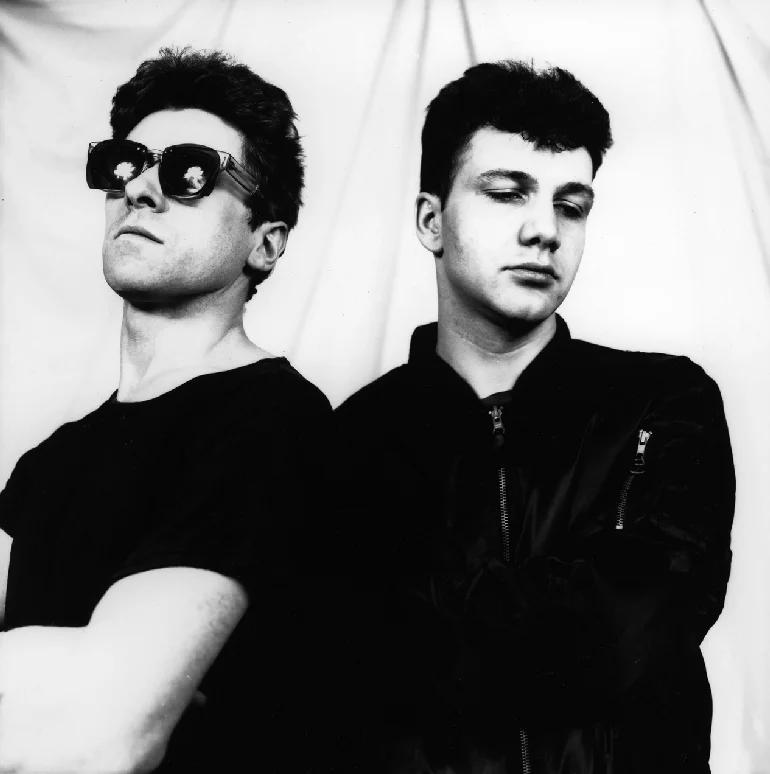
I Start Counting’s Spotify BioPop experimentalists I Start Counting favored English artiness with a sense of fun. Unlike many other electronic groups from the '80s, I Start Counting never settled into a single formula; the band continued to tinker with its sound, shifting effortlessly from light to dark, accessible to avant-garde. The group released two albums (1986's My Translucent Hands and 1988's Fused) and seven singles throughout the decade, then switched to a more danceable sound and changed their name to Fortran 5 at the beginning of the '90s, later going by the names John Came and Komputer. Two albums of previously unreleased I Start Counting material, Re-Fused and Ejected, appeared in 2021.
I Start Counting was formed in the early '80s by David Baker and Simon Leonard. In 1984, the duo was signed by Mute and released its debut single, the quirky "Letters to a Friend." The song easily distinguished itself from the glut of synthesizer-laden records from the mid-'80s with Baker's distinctly British talk-sing… style and the psychedelic feel of the keyboards. The follow-up, 1985's "Still Smiling," was hailed as another instant classic from the band. Writing and recording songs from their basement, Baker and Leonard finally released an LP, My Translucent Hands, a year later. I Start Counting gained a significant cult following in the U.K. and the U.S., especially among American suburban teens who were discovering Depeche Mode and Kraftwerk in dance clubs.
1988's Fused, heavily influenced by house music, was the last album Baker and Leonard made under the I Start Counting name. Switching their appellation to Fortran 5, the duo ventured further into their bizarre imaginations, sampling the most unlikely of sources and challenging listeners with their unpredictable adventures in electronics. They said goodbye to I Start Counting with the 1991 compilation Catalogue. In addition to three Fortran 5 albums, the duo also released a more experimental album called Rhythmicon under the name John Came. In 1996, they rebranded themselves Komputer and made more overtly Kraftwerkian synth pop, releasing three albums before going on hiatus.
In 2011, Mute released Konnecting..., a compilation gathering highlights from the duo's discographies as I Start Counting, Fortran 5, and Komputer. The deluxe digital editions gathered rarities from all three acts, including remixes by Adrian Sherwood, Moby, David Holmes, and others. Re-Fused and Ejected, two albums of previously unheard I Start Counting songs and demos recorded in 1985 and 1986, were released in 2021. ~ Michael Sutton & Paul Simpson, Rovi
Viberate is a music analytics platform built for A&Rs, artist managers, labels, booking agents, marketers, and artists.
It helps music professionals track artist growth, analyze audience data, monitor playlist activity, compare artists, follow song performance, and identify opportunities across the music market.
Public artist pages provide a free preview of selected artist data. Paid plans provide access to deeper analytics, historical data, charts, comparisons, playlist tools, exports, alerts, reports, and additional professional features.
Yes. Public Viberate artist pages provide selected artist analytics and music data for free.
Viberate also offers a 7-day free trial of the full platform. A credit card is required to start the trial. The trial includes access to the complete product so users can test deeper artist analytics, historical views, playlist insights, comparisons, charts, exports, alerts, and reporting features before choosing a paid plan.
Viberate provides artist analytics across streaming, playlists, social media, video, radio airplay, songs, and audience markets.
Users can analyze Spotify performance, Spotify and Apple Music playlists, YouTube activity, TikTok and Instagram growth, radio spins, song performance, audience locations, demographics, rankings, and overall artist momentum.
Artist profiles also connect to music charts, similar artists, and comparison tools, helping users benchmark performance and evaluate artists in context.
Viberate updates key artist and track data daily.
For followed artists and tracks, selected data is refreshed multiple times per day. This helps teams monitor playlist changes, streaming movement, audience growth, releases, and campaign performance with more current data.
Update frequency can vary depending on the metric and data source.
Yes. Viberate lets users compare up to five artists side by side across streaming, social media, audience, and engagement metrics.
Users can compare fanbase growth, audience demographics, locations, Spotify performance, social metrics, and other artist data over selected time periods.
Artist comparison can be used for A&R scouting, benchmarking, booking decisions, campaign planning, and evaluating artists with similar audiences or market positions.