I Fight Dragons

Rock
Pop Rock
Alternative Hip Hop
 Viberate Rank: 102301
 Viberate Rank: 102301
 Monthly ListenersFollowers
 Subscribers
 Followers
 Followers
 FansTop Spotify Songs
| Track | 7-Day Streams | |
|---|---|---|
1 | 4.77K | |
2 | 3.30K | |
3 | 2.38K | |
4 | 2.21K | |
5 | 1.88K |
Top YouTube Videos| Video | 7-Day Views | |
|---|---|---|
1 | 863 | |
2 | 374 | |
3 | 364 | |
4 | 299 | |
5 | 280 |
Monthly ListenersFeatured in Playlists| Playlist | Followers | |
|---|---|---|
1 |  looking back now our journey is over fiver arley | 55.15K |
2 | blink-182, Sum 41 and More... Sum dude | 21.20K |
3 | The Ultimate Cover Song Playlist Anna OBrien | 19.48K |
4 |  bee and puppycat soundtrack solangel🔮🍂🕸 | 14.69K |
5 |  🎶MeTal CoVeRs🎶 Andy | 14.42K |
Audience| City | Monthly Listeners | |
|---|---|---|
1 | | 1.02K |
2 | | 615 |
3 | | 607 |
4 | | 557 |
5 | | 539 |
See full performance history, audience data, playlist activity, rankings, comparisons, and more in Viberate music analytics. Start with a free trial, then continue with a paid plan.
I Fight Dragons’ Spotify BioFor tour dates, merchandise, email list, Discord, Patreon and more visit www.ifightdragons.com
From Wikipedia:
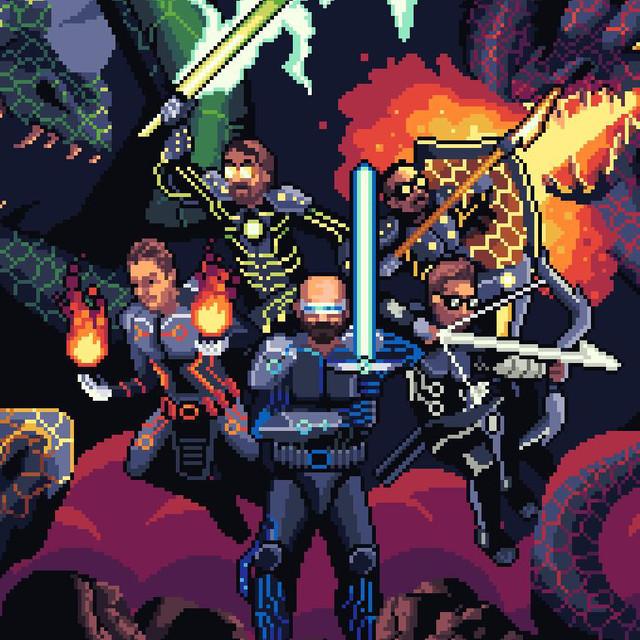
I Fight Dragons is a rock band from Chicago. Their music is a combination of pop/rock with chiptune, featuring electronic sounds made using Nintendo Game Boys and Nintendo Entertainment Systems.
To date they have released three full-length albums: 2011's KABOOM!, which came out on Photo Finish / Atlantic Records, 2014's The Near Future, which they self-released after raising over $100,000 on Kickstarter through their "Project Atma" project, and 2019's Canon Eyes. They have also released two EPs, 2009's Cool Is Just A Number and 2010's Welcome To The Breakdown. Their music has been featured on Nintendo Video as well as on the WWE, and they wrote and performed the theme song for ABC's The Goldbergs: Rewind ("The Goldbergs" Main Title Theme).
From 2010 until 2012 they were signed to Photo Finish / Atlantic Records, but in fall 2012 they won their release from the label.
They have… toured the USA with mc chris and Whole Wheat Bread in 2009, 3OH!3, Cobra Starship, and Travie McCoy in 2010, The Protomen in 2011, and they were on the entire 2012 and 2014 Vans Warped Tours. Since then, they have toured sporadically as well as headlining annual holiday shows in Chicago.
Viberate is a music analytics platform built for A&Rs, artist managers, labels, booking agents, marketers, and artists.
It helps music professionals track artist growth, analyze audience data, monitor playlist activity, compare artists, follow song performance, and identify opportunities across the music market.
Public artist pages provide a free preview of selected artist data. Paid plans provide access to deeper analytics, historical data, charts, comparisons, playlist tools, exports, alerts, reports, and additional professional features.
Yes. Public Viberate artist pages provide selected artist analytics and music data for free.
Viberate also offers a 7-day free trial of the full platform. A credit card is required to start the trial. The trial includes access to the complete product so users can test deeper artist analytics, historical views, playlist insights, comparisons, charts, exports, alerts, and reporting features before choosing a paid plan.
Viberate provides artist analytics across streaming, playlists, social media, video, radio airplay, songs, and audience markets.
Users can analyze Spotify performance, Spotify and Apple Music playlists, YouTube activity, TikTok and Instagram growth, radio spins, song performance, audience locations, demographics, rankings, and overall artist momentum.
Artist profiles also connect to music charts, similar artists, and comparison tools, helping users benchmark performance and evaluate artists in context.
Viberate updates key artist and track data daily.
For followed artists and tracks, selected data is refreshed multiple times per day. This helps teams monitor playlist changes, streaming movement, audience growth, releases, and campaign performance with more current data.
Update frequency can vary depending on the metric and data source.
Yes. Viberate lets users compare up to five artists side by side across streaming, social media, audience, and engagement metrics.
Users can compare fanbase growth, audience demographics, locations, Spotify performance, social metrics, and other artist data over selected time periods.
Artist comparison can be used for A&R scouting, benchmarking, booking decisions, campaign planning, and evaluating artists with similar audiences or market positions.