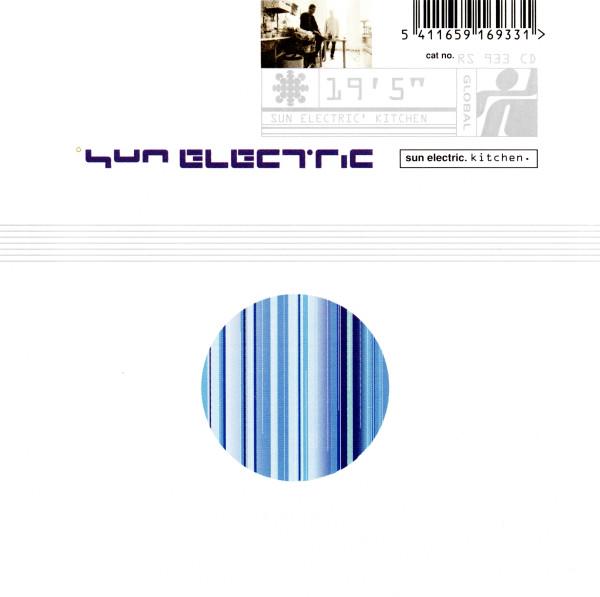
I:Cube

Electronic
House
Techno
 Viberate Rank: 97298
 Viberate Rank: 97298
 Monthly ListenersFollowers
 Subscribers
 Followers
 Followers
 FansTop Spotify Songs
| Track | 7-Day Streams | |
|---|---|---|
1 | 23.26K | |
2 | 17.59K | |
3 | 13.99K | |
4 | 4.43K | |
5 | 3.32K |
Top YouTube VideosMonthly ListenersFeatured in Playlists| Playlist | Followers | |
|---|---|---|
1 |  La French Touch Spotify | 579.38K |
2 |  Hôtel Costes - Best 50 [Official Playlist] Sounds of Costes | 185.97K |
3 |  Best House & Club Tracks | Defected Defected Records | 109.22K |
4 |  Disclosure's Record Bag Disclosure | 60.50K |
5 |  Space Sounds Odin Media Group | 57.68K |
Audience| City | Monthly Listeners | |
|---|---|---|
1 |  | 3.97K |
2 |  | 2.76K |
3 |  | 2.66K |
4 | | 2.65K |
5 | | 2.35K |
See full performance history, audience data, playlist activity, rankings, comparisons, and more in Viberate music analytics. Start with a free trial, then continue with a paid plan.
I:Cube’s Spotify BioFrench techno/house producer I:Cube (aka Nicholas Chaix), along with such artists as Air, Motorbass, and Daft Punk, was one of the most hyped underground acts on Paris' resurging dance scene during 1996-97 (with the difference that, instead of the industry, it was those artists doing the hyping). Similar in some respects to his colleagues, I:Cube's near-comprehensive fusion of the range of minimal electronic dance musics -- a molten concoction of funk, soul, electro, trance, Chicago house, and Detroit techno -- first surfaced through the "Disco Cubism" single (on popular Parisian DJ Gilb-R's Versatile label) in 1996. Made all the more amazing by the discovery that it was the work of a teenage schoolboy, the single's popularity was upped considerably by the full-length debut, Picnic Attack, which appeared the following year. Informed by a heavy dose of driving, minimal, trance-oriented techno, the album helped distinguish I:Cube's style from that of his more press-hounded countrymates… (and attracted a fair amount of hounding on its own). A surprising and consistently inventive release, the album (along with Daft Punk's Homework and the Sourcelab label compilations) gave considerable weight to the notion that Paris' dance underground is among the least stylistically segregated around, producing innovative, compositionally accomplished music both clear in focus and broad in scope. Adore, an album that pleased the dance floor and couch heads, followed in 2000. Around the album's release he released a collaberation with DJ Gilb-R as Chateau Flight. ~ Sean Cooper, Rovi
Viberate is a music analytics platform built for A&Rs, artist managers, labels, booking agents, marketers, and artists.
It helps music professionals track artist growth, analyze audience data, monitor playlist activity, compare artists, follow song performance, and identify opportunities across the music market.
Public artist pages provide a free preview of selected artist data. Paid plans provide access to deeper analytics, historical data, charts, comparisons, playlist tools, exports, alerts, reports, and additional professional features.
Yes. Public Viberate artist pages provide selected artist analytics and music data for free.
Viberate also offers a 7-day free trial of the full platform. A credit card is required to start the trial. The trial includes access to the complete product so users can test deeper artist analytics, historical views, playlist insights, comparisons, charts, exports, alerts, and reporting features before choosing a paid plan.
Viberate provides artist analytics across streaming, playlists, social media, video, radio airplay, songs, and audience markets.
Users can analyze Spotify performance, Spotify and Apple Music playlists, YouTube activity, TikTok and Instagram growth, radio spins, song performance, audience locations, demographics, rankings, and overall artist momentum.
Artist profiles also connect to music charts, similar artists, and comparison tools, helping users benchmark performance and evaluate artists in context.
Viberate updates key artist and track data daily.
For followed artists and tracks, selected data is refreshed multiple times per day. This helps teams monitor playlist changes, streaming movement, audience growth, releases, and campaign performance with more current data.
Update frequency can vary depending on the metric and data source.
Yes. Viberate lets users compare up to five artists side by side across streaming, social media, audience, and engagement metrics.
Users can compare fanbase growth, audience demographics, locations, Spotify performance, social metrics, and other artist data over selected time periods.
Artist comparison can be used for A&R scouting, benchmarking, booking decisions, campaign planning, and evaluating artists with similar audiences or market positions.