Hyrgal

Metal
Black Metal
 Viberate Rank: 495137
 Viberate Rank: 495137
 Monthly ListenersFollowers
 Subscribers
 Followers
 Followers
 FansTop Spotify Songs
| Track | 7-Day Streams | |
|---|---|---|
1 | 29 | |
2 | 19 | |
3 | 17 | |
4 | 13 | |
5 | 11 |
Top YouTube VideosMonthly ListenersFeatured in Playlists| Playlist | Followers | |
|---|---|---|
1 |  Atmospheric Black Metal Jorge Urosa Alonso | 36.97K |
2 | Raw Black Metal Mike Beliveau | 9.25K |
3 |  French Black Metal Bathoryn | 4.41K |
4 |  BLACKMETAL DSBM badyushka🕷️🩸 | 3.61K |
5 | Black Metal Promotion Josh | 2.55K |
Audience| City | Monthly Listeners | |
|---|---|---|
1 |  | 6 |
2 |  | 5 |
3 | | 5 |
4 |  | 4 |
5 | | 4 |
See full performance history, audience data, playlist activity, rankings, comparisons, and more in Viberate music analytics. Start with a free trial, then continue with a paid plan.
Hyrgal’s Spotify BioHyrgal was formed in 2007 by the guitarist/vocalist Clément Flandrois (Pillars, Oorthian, Svart Crown)
with the help of Quentin Aberne (Carcolh, ex-Sun Preachers, ex-Marble Chariot) as a bass player and Thibault Meunier (ex-Otargos) on drums.
The trio released its first demo on a split album with Kairn (acoustic project of the former Otargos guitarist, Julien Savy). They then opened for bands such as Wolves in the Throne Room, Year of No Light, Otargos…
In 2010, the band was put on hold for personal reasons, and Clément joined Svart Crown as a full-time guitarist. In 2016, Clément decided to take back the project with a new drummer, Emmanuel Zuccaro (Oorthian, ex-Karne, ex-Sulphureign) with whom he had been in touch since 2012, and Quentin, still playing bass. Together, they present their first album Serpentine at the LADLO Fest in the end of 2018, shortly before Emmanuel and Quentin’s departure. They are replaced by Nicolas Muller (ex-Svart Crown) and Alexis Chiambretto (Deveikuth).
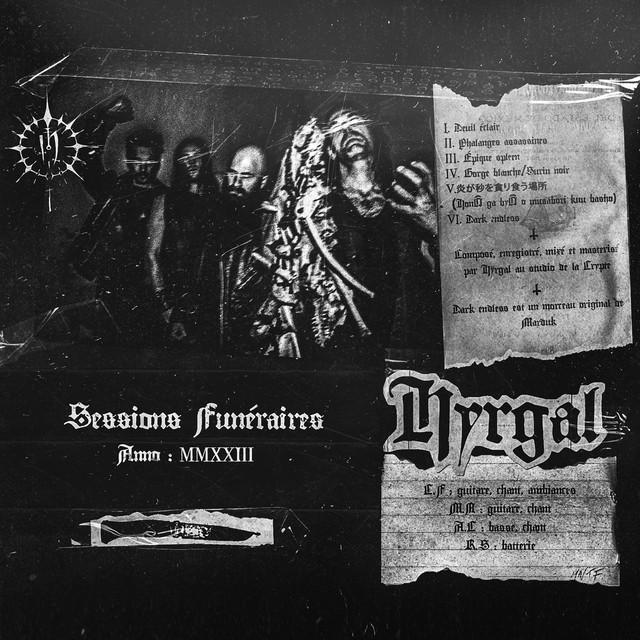
Cléme…nt and his new accomplices made a strong comeback with Fin De Règne in December 2020, and in May 2022 with the self-titled full length Hyrgal. Latest offering from the French extreme act is the EP " Session Funéraire anno MMXXIII", which was released in April 2023.
For physical merch, visit the Hyrgal webshop: https://antikosmosproductions.bigcartel.com/
Viberate is a music analytics platform built for A&Rs, artist managers, labels, booking agents, marketers, and artists.
It helps music professionals track artist growth, analyze audience data, monitor playlist activity, compare artists, follow song performance, and identify opportunities across the music market.
Public artist pages provide a free preview of selected artist data. Paid plans provide access to deeper analytics, historical data, charts, comparisons, playlist tools, exports, alerts, reports, and additional professional features.
Yes. Public Viberate artist pages provide selected artist analytics and music data for free.
Viberate also offers a 7-day free trial of the full platform. A credit card is required to start the trial. The trial includes access to the complete product so users can test deeper artist analytics, historical views, playlist insights, comparisons, charts, exports, alerts, and reporting features before choosing a paid plan.
Viberate provides artist analytics across streaming, playlists, social media, video, radio airplay, songs, and audience markets.
Users can analyze Spotify performance, Spotify and Apple Music playlists, YouTube activity, TikTok and Instagram growth, radio spins, song performance, audience locations, demographics, rankings, and overall artist momentum.
Artist profiles also connect to music charts, similar artists, and comparison tools, helping users benchmark performance and evaluate artists in context.
Viberate updates key artist and track data daily.
For followed artists and tracks, selected data is refreshed multiple times per day. This helps teams monitor playlist changes, streaming movement, audience growth, releases, and campaign performance with more current data.
Update frequency can vary depending on the metric and data source.
Yes. Viberate lets users compare up to five artists side by side across streaming, social media, audience, and engagement metrics.
Users can compare fanbase growth, audience demographics, locations, Spotify performance, social metrics, and other artist data over selected time periods.
Artist comparison can be used for A&R scouting, benchmarking, booking decisions, campaign planning, and evaluating artists with similar audiences or market positions.