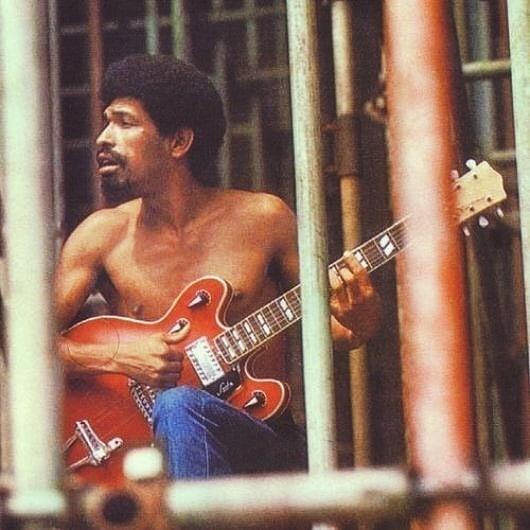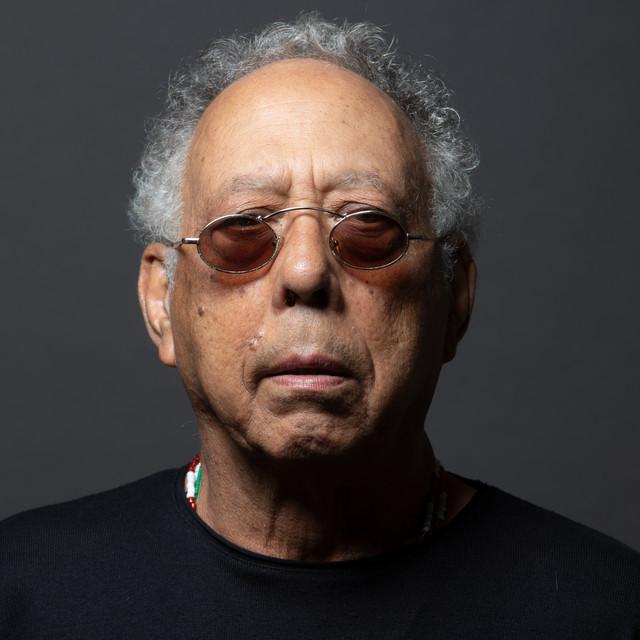
Hyldon

R&B
Soul
Nova MPB
 Viberate Rank: 49173
 Viberate Rank: 49173
 Monthly ListenersFollowers
 Subscribers
 Followers
 Followers
 FansTop Spotify Songs
| Track | 7-Day Streams | |
|---|---|---|
1 | 123.98K | |
2 | 58.48K | |
3 | 49.49K | |
4 | 42.18K | |
5 | 21.48K |
Top YouTube Videos| Video | 7-Day Views | |
|---|---|---|
1 | 4.12K | |
2 | 1.73K | |
3 | 1.50K | |
4 | 335 | |
5 | 273 |
Monthly ListenersFeatured in Playlists| Playlist | Followers | |
|---|---|---|
1 |  This Is L7NNON Spotify | 251.82K |
2 |  MPB anos 70, 80, 90, 2000, 2026 - AS MELHORES Under | 248.82K |
3 |  This Is Tim Maia Spotify | 238.47K |
4 |  Soul Brasil Spotify | 157.24K |
5 |  Selton Mello FM Selton Mello | 60.64K |
Audience| City | Monthly Listeners | |
|---|---|---|
1 | | 74.06K |
2 | | 38.48K |
3 | | 20.39K |
4 | | 14.60K |
5 | | 12.90K |
See full performance history, audience data, playlist activity, rankings, comparisons, and more in Viberate music analytics. Start with a free trial, then continue with a paid plan.
Hyldon’s Spotify BioBorn in 1951, Hyldon has been making a living from music since he was 14 years old and together with Tim Maia and Cassiano, he formed the sacred triad of Brazilian soul music. In 1973, he recorded his first single "Na Rua, na Chuva, na Fazenda (Casinha de Sapê)”. The following year, he released another single "As Dores do Mundo". After these two hit songs, he finally managed to record his long-awaited album, in 1975.
In the mid-1990s, Hyldon returned to the scene due to a series of re-recordings of other artists. At the same time, Hyldon's songs are included in movie soundtracks such as "City of God", "Carandiru" and "Antônia". In the 2000s, Hyldon was included in the soundtrack of the award-winning film “O Homem do Ano” and, in 2025, he appeared on the soundtrack of the TV show “Senna” (Netflix).
Hyldon has a great partnership with the Rock in Rio festival, with the following participations: Rock in Rio Lisbon 2012 (invited by the Portuguese band Orelha Negra), Rock in Rio 2017 (with… Ana Cañas), 2019 (with Mano Brown, Bootsy Collins and Carlos Dafé) and 2024 (in the unprecedented “Dia Brasil”, with Banda Black Rio and Claudio Zoli).
In 2022, Hyldon played with Marcos Valle and Azymuth in US. This trip to Los Angeles led to a strong partnership with producer Adrian Younge, which resulted in the album “HYLDON JID023”, released in 2025 by Jazz is Dead label. The album features psychedelic soul music and revived compositions that had been in Hyldon’s drawer for many years.
Viberate is a music analytics platform built for A&Rs, artist managers, labels, booking agents, marketers, and artists.
It helps music professionals track artist growth, analyze audience data, monitor playlist activity, compare artists, follow song performance, and identify opportunities across the music market.
Public artist pages provide a free preview of selected artist data. Paid plans provide access to deeper analytics, historical data, charts, comparisons, playlist tools, exports, alerts, reports, and additional professional features.
Yes. Public Viberate artist pages provide selected artist analytics and music data for free.
Viberate also offers a 7-day free trial of the full platform. A credit card is required to start the trial. The trial includes access to the complete product so users can test deeper artist analytics, historical views, playlist insights, comparisons, charts, exports, alerts, and reporting features before choosing a paid plan.
Viberate provides artist analytics across streaming, playlists, social media, video, radio airplay, songs, and audience markets.
Users can analyze Spotify performance, Spotify and Apple Music playlists, YouTube activity, TikTok and Instagram growth, radio spins, song performance, audience locations, demographics, rankings, and overall artist momentum.
Artist profiles also connect to music charts, similar artists, and comparison tools, helping users benchmark performance and evaluate artists in context.
Viberate updates key artist and track data daily.
For followed artists and tracks, selected data is refreshed multiple times per day. This helps teams monitor playlist changes, streaming movement, audience growth, releases, and campaign performance with more current data.
Update frequency can vary depending on the metric and data source.
Yes. Viberate lets users compare up to five artists side by side across streaming, social media, audience, and engagement metrics.
Users can compare fanbase growth, audience demographics, locations, Spotify performance, social metrics, and other artist data over selected time periods.
Artist comparison can be used for A&R scouting, benchmarking, booking decisions, campaign planning, and evaluating artists with similar audiences or market positions.