HXIST

Electronic
Techno
Hard Techno
 Viberate Rank: 305021
 Viberate Rank: 305021
 Monthly ListenersFollowers
 Subscribers
 Followers
 Followers
 FansTop Spotify Songs
| Track | 7-Day Streams | |
|---|---|---|
1 | 1.04K | |
2 | 975 | |
3 | 583 | |
4 | 557 | |
5 | 495 |
Top YouTube VideosMonthly ListenersFeatured in Playlists| Playlist | Followers | |
|---|---|---|
1 |  Techno Rave ali.dapar | 110.26K |
2 | Boiler Room Bartholomew Cronin | 51.09K |
3 |  Weed trippy 🌬🚬 🌬🍃SAG💸🥂 | 31.94K |
4 |  TECHNO RAVE ✖️ TECHNO DARK ✖️ INDUSTRIAL TECHNO✖️ Xebas | 30.31K |
5 |  TECHNO BEUKERS🗿 dipepa | 28.30K |
Audience| City | Monthly Listeners | |
|---|---|---|
1 | | 482 |
2 |  | 307 |
3 | | 246 |
4 | | 232 |
5 | | 191 |
See full performance history, audience data, playlist activity, rankings, comparisons, and more in Viberate music analytics. Start with a free trial, then continue with a paid plan.
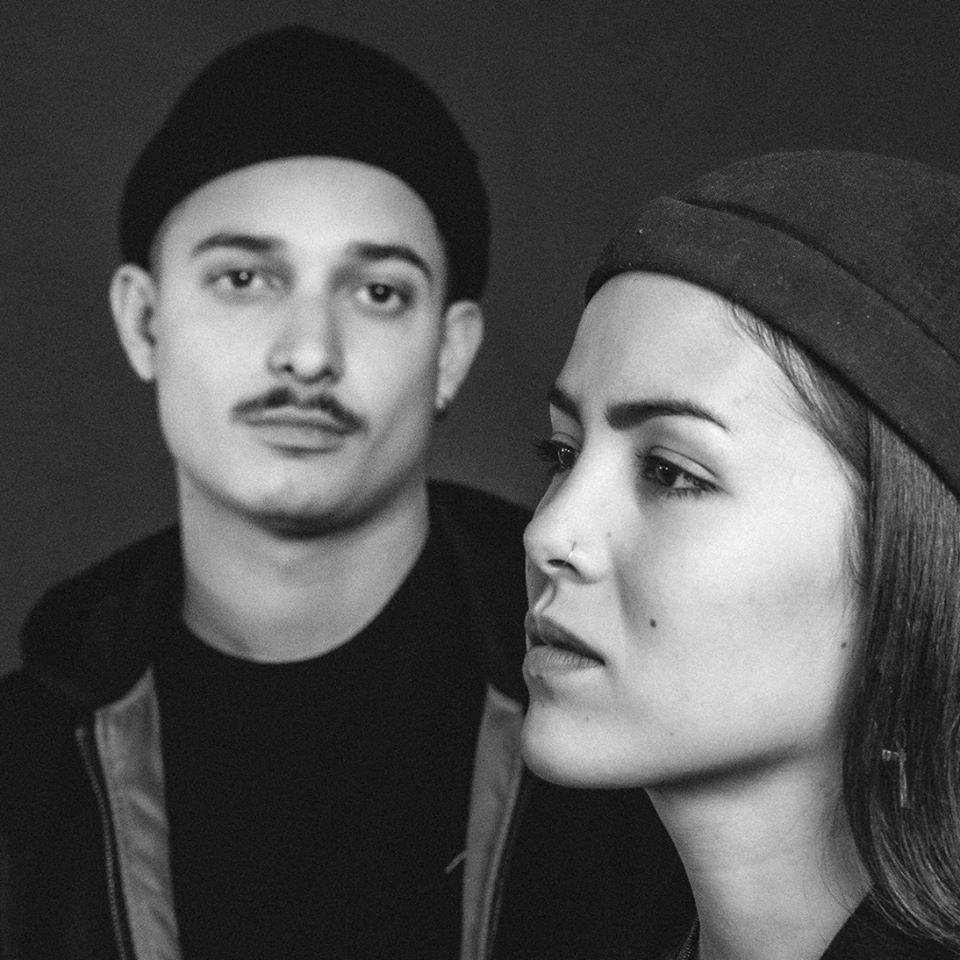
HXIST’s Spotify BioGeorge Ortega as known as HXIST, is a 27 years old producer from Cúcuta, situated in Colombia
His first approach to Techno music was when his older brother showed him LoveParade festival on VHS when he was just 5 years old.
After that he kept to watch and listen to artists as Hardy Hard, Dj Rush and many more.
HXIST production can be defined as a combination of experiences, trying to break the conventional structure. Making varios combinations of sounds he takes from experimental music influences.
Artists like Hardy Hard, Jeff Amadeus, Harmonic 313, Aphex Twin, D.A.F and Dj Rush (even if some artist don’t belong to the Techno genre) are an inspiration and influence to his productions and the way he approaches Techno music.
HXIST started his DJ career in 2017 in Colombia, starting to take his first steps as an artist in local clubs, showing his skills and value.
In the last years he has managed to develop a very particular and decisive sound, which uniquely characterizes him, full of powerful… fast kicks mixed with raw and industrial sounds, which make his tracks an explosion of power.
His tracks has been played by artists like Nico Moreno, Paula Temple, Amelie Lens, Marika Rossa, 999999999, WNDRLST, RIKHTER, Varya Karpova, DYEN, POLI, Luca Agnelli and many others.
A young artist, ready to explode all over the world.
Viberate is a music analytics platform built for A&Rs, artist managers, labels, booking agents, marketers, and artists.
It helps music professionals track artist growth, analyze audience data, monitor playlist activity, compare artists, follow song performance, and identify opportunities across the music market.
Public artist pages provide a free preview of selected artist data. Paid plans provide access to deeper analytics, historical data, charts, comparisons, playlist tools, exports, alerts, reports, and additional professional features.
Yes. Public Viberate artist pages provide selected artist analytics and music data for free.
Viberate also offers a 7-day free trial of the full platform. A credit card is required to start the trial. The trial includes access to the complete product so users can test deeper artist analytics, historical views, playlist insights, comparisons, charts, exports, alerts, and reporting features before choosing a paid plan.
Viberate provides artist analytics across streaming, playlists, social media, video, radio airplay, songs, and audience markets.
Users can analyze Spotify performance, Spotify and Apple Music playlists, YouTube activity, TikTok and Instagram growth, radio spins, song performance, audience locations, demographics, rankings, and overall artist momentum.
Artist profiles also connect to music charts, similar artists, and comparison tools, helping users benchmark performance and evaluate artists in context.
Viberate updates key artist and track data daily.
For followed artists and tracks, selected data is refreshed multiple times per day. This helps teams monitor playlist changes, streaming movement, audience growth, releases, and campaign performance with more current data.
Update frequency can vary depending on the metric and data source.
Yes. Viberate lets users compare up to five artists side by side across streaming, social media, audience, and engagement metrics.
Users can compare fanbase growth, audience demographics, locations, Spotify performance, social metrics, and other artist data over selected time periods.
Artist comparison can be used for A&R scouting, benchmarking, booking decisions, campaign planning, and evaluating artists with similar audiences or market positions.