Hush Arbors

Rock
Indie Rock
 Viberate Rank: 625748
 Viberate Rank: 625748
 Monthly ListenersFollowers
 Subscribers
 Followers
 Followers
 FansTop Spotify Songs
| Track | 7-Day Streams | |
|---|---|---|
1 | 15 | |
2 | 14 | |
3 | 12 | |
4 | 11 | |
5 | 11 |
Top YouTube Videos| Video | 7-Day Views | |
|---|---|---|
1 | 7 | |
2 | 2 | |
3 | 1 |
Monthly ListenersFeatured in Playlists| Playlist | Followers | |
|---|---|---|
1 | Lee Moore | 16.03K |
2 | ℝ𝕠𝕒𝕕 𝕋𝕣𝕚𝕡 Sue-z-q 🪐🌌 | 10.94K |
3 |  Duyster (all tracks ever played) Wike | 8.15K |
4 |  Off Your Face anton newcombe | 5.86K |
5 |  𝓡oots in the 𝓦oods Rutger Meijerink | 4.01K |
Audience| City | Monthly Listeners | |
|---|---|---|
1 |  | 8 |
2 |  | 6 |
3 | | 4 |
4 | | 4 |
5 |  | 4 |
See full performance history, audience data, playlist activity, rankings, comparisons, and more in Viberate music analytics. Start with a free trial, then continue with a paid plan.
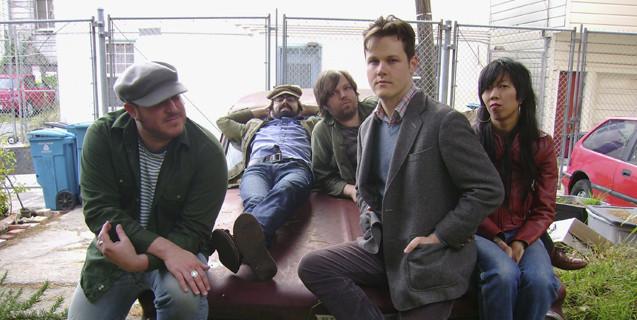
Hush Arbors’ Spotify BioHush Arbors began in 2001 as a solo vehicle for Virginia-born singer/songwriter and guitarist Keith Wood. Wood had worked prolifically as a touring auxiliary musician in freak folk and experimental acts like Sunburned Hand of the Man and Six Organs of Admittance, and his acid country/drifter folk solo work fell in stylistically with those peers. Early Hush Arbors recordings came in the form of limited CD-R releases on the Digitalis label, and it wasn't until 2006 that early CD-R album Since We Have Fallen saw proper re-release on the Foxglove Recordings label. The same year also saw the release of newer material on the Landscape of Bone album, and some live dates to support the release. Still a rotating member of many bands himself, Wood adopted this cast-of-many approach for the lineup of Hush Arbors, enlisting players from the experimental scene like drummer Ryan Sawyer, Wooden Wand main man James Toth, and various other musicians to back him up in a live setting.
In 2008, Hush Arbors… began releasing records on Sonic Youth guitarist Thurston Moore's Ecstatic Peace! imprint, beginning with a self-titled long-player. This album was followed by 2009's Yankee Reality, produced by Dinosaur Jr. leader J Mascis. During this time, Wood stayed equally busy collaborating with others and prolifically recording and releasing his own work. Apart from issuing scads of tour-only CDs, live recordings, and split releases with bands like Jerusalem and the Star Baskets and the North Sea, Wood continued work as a touring musician with Current 93, Jack Rose, Thurston Moore, and others. In 2011, a stripped-down Hush Arbors consisting of Wood and N.Y.C. improviser/composer Jason Ajemian embarked on a massive two-month tour of the U.S. and later overseas. The project's collaborative streak continued in 2012 with the release of Aureola on Thrill Jockey, a split LP with like-minded psychedelic contemporaries Arbouretum. ~ Fred Thomas, Rovi
Viberate is a music analytics platform built for A&Rs, artist managers, labels, booking agents, marketers, and artists.
It helps music professionals track artist growth, analyze audience data, monitor playlist activity, compare artists, follow song performance, and identify opportunities across the music market.
Public artist pages provide a free preview of selected artist data. Paid plans provide access to deeper analytics, historical data, charts, comparisons, playlist tools, exports, alerts, reports, and additional professional features.
Yes. Public Viberate artist pages provide selected artist analytics and music data for free.
Viberate also offers a 7-day free trial of the full platform. A credit card is required to start the trial. The trial includes access to the complete product so users can test deeper artist analytics, historical views, playlist insights, comparisons, charts, exports, alerts, and reporting features before choosing a paid plan.
Viberate provides artist analytics across streaming, playlists, social media, video, radio airplay, songs, and audience markets.
Users can analyze Spotify performance, Spotify and Apple Music playlists, YouTube activity, TikTok and Instagram growth, radio spins, song performance, audience locations, demographics, rankings, and overall artist momentum.
Artist profiles also connect to music charts, similar artists, and comparison tools, helping users benchmark performance and evaluate artists in context.
Viberate updates key artist and track data daily.
For followed artists and tracks, selected data is refreshed multiple times per day. This helps teams monitor playlist changes, streaming movement, audience growth, releases, and campaign performance with more current data.
Update frequency can vary depending on the metric and data source.
Yes. Viberate lets users compare up to five artists side by side across streaming, social media, audience, and engagement metrics.
Users can compare fanbase growth, audience demographics, locations, Spotify performance, social metrics, and other artist data over selected time periods.
Artist comparison can be used for A&R scouting, benchmarking, booking decisions, campaign planning, and evaluating artists with similar audiences or market positions.