Hurriganes

Rock
Hard Rock
Alternative Rock
 Viberate Rank: 146071
 Viberate Rank: 146071
 Monthly ListenersFollowers
 Subscribers
 Followers
 Followers
 FansTop Spotify Songs
| Track | 7-Day Streams | |
|---|---|---|
1 | 10.32K | |
2 | 6.20K | |
3 | 4.04K | |
4 | 4.01K | |
5 | 3.23K |
Top YouTube Videos| Video | 7-Day Views | |
|---|---|---|
1 | 794 | |
2 | 620 | |
3 | 246 | |
4 | 57 | |
5 | 53 |
Monthly ListenersFeatured in Playlists| Playlist | Followers | |
|---|---|---|
1 |  Suomirockin klassikot Spotify | 91.38K |
2 | ROCKABILLY Adam Lund | 35.86K |
3 |  Chill Rock Lucas | 24.53K |
4 |  Parhaat suomihitit 80-luvulta Spotify | 21.96K |
5 | rock 80-90 joonasholm | 13.69K |
Audience| City | Monthly Listeners | |
|---|---|---|
1 | | 14.22K |
2 | | 2.92K |
3 |  | 2.35K |
4 | | 2.29K |
5 | | 1.68K |
See full performance history, audience data, playlist activity, rankings, comparisons, and more in Viberate music analytics. Start with a free trial, then continue with a paid plan.
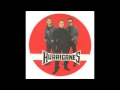
Hurriganes’ Spotify BioHurriganes was a hugely popular Finnish rock & roll band formed in 1971 by Remu Aaltonen (vocals, drums), Cisse Häkkinen (bass, vocals), and Ile Kallio (guitar). Their music was a belated take on classic rock & roll, and the band was equally adept at writing their own modern classics as they were covering supercharged versions of songs by Fats Domino, Bo Diddley, or the J. Geils Band. Before recording their first album, 1973's Rock and Roll All Night Long, Ile Kallio had left the band and Albert Järvinen had taken over the reins in what is now considered the "classic" lineup.
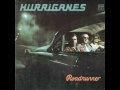
Hurriganes revitalized the Finnish rock music scene, particularly with their second album, 1974's Roadrunner. The album, named after the Bo Diddley song, demolished the charts and is not only considered one of the best classic rock & roll albums in Finland, but it was also the best-selling album in its native land from 1974 to 1985. The single release of the song they added as a lark to the album when it came up… too short, "Get On," has been named numerous times as the finest single rock & roll song released in Finland by both the public and the press. Järvinen took the intro from Chuck Berry's "Johnny B. Goode" and added a ferocious lead throughout the three-and-a-half-minute song, Aaltonen punched it up with a revved-up beat and nonsense lyrics that touched upon most of the rock & roll clichés of the past, and Häkkinen solidified the mixture with his sturdy basslines.
Hurriganes gained momentum despite the slight hangover that was 1975's Crazy Days by playing fierce concerts throughout Scandinavia. Their attempts at making it in England were unsuccessful, though "Get On" had won on the popular BBC radio show European Pop Jury. 1976's Hot Wheels, Tsugu Way from 1977, and other albums of the period were all popular, but none captured the magic of Roadrunner. Järvinen was fired for a few years because of drinking and attitude problems, though none of the members was by any means without their personal demons.
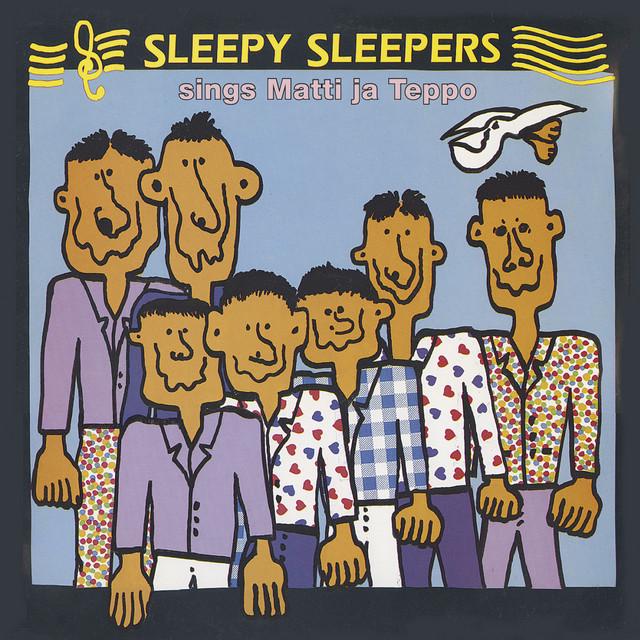
10/80 started the new decade with a roaring success. Their finest album in ages, the lineup also featured Jim Pembroke of Wigwam, and the band charted with one of their best pop tunes, "Bourbon Street." The band was having a comeback success without ever having left, and in 1981 they sold over a quarter of a million albums in Scandinavia. A few more albums appeared after this, before the band called it quits after 1984's Hurrygames. They attempted a brief comeback in 1988 with a live album to some success, but after cashing the check, the members quickly returned to their separate careers. Järvinen recorded with Sleepy Sleepers, a comic rock band which would eventually take on the role of Leningrad Cowboys and released a fine solo album, Brain Damage -- or Still Alive?, in 1989. Cisse Häkkinen died in 1990, and Albert Järvinen followed soon after in 1991. Remu performed his old songs under the name Remu Plays Hurriganes and In the Spirit of Hurriganes in the mid-'90s, before he formed a new version of the group in 1998. He continued with the new band to the new millennium, and for two years Jukka Orma of Sielun Veljet fame was the guitarist for the band. In 2007 a biographical film, Ganes, was released to great success in Finland. ~ JT Lindroos, Rovi
Viberate is a music analytics platform built for A&Rs, artist managers, labels, booking agents, marketers, and artists.
It helps music professionals track artist growth, analyze audience data, monitor playlist activity, compare artists, follow song performance, and identify opportunities across the music market.
Public artist pages provide a free preview of selected artist data. Paid plans provide access to deeper analytics, historical data, charts, comparisons, playlist tools, exports, alerts, reports, and additional professional features.
Yes. Public Viberate artist pages provide selected artist analytics and music data for free.
Viberate also offers a 7-day free trial of the full platform. A credit card is required to start the trial. The trial includes access to the complete product so users can test deeper artist analytics, historical views, playlist insights, comparisons, charts, exports, alerts, and reporting features before choosing a paid plan.
Viberate provides artist analytics across streaming, playlists, social media, video, radio airplay, songs, and audience markets.
Users can analyze Spotify performance, Spotify and Apple Music playlists, YouTube activity, TikTok and Instagram growth, radio spins, song performance, audience locations, demographics, rankings, and overall artist momentum.
Artist profiles also connect to music charts, similar artists, and comparison tools, helping users benchmark performance and evaluate artists in context.
Viberate updates key artist and track data daily.
For followed artists and tracks, selected data is refreshed multiple times per day. This helps teams monitor playlist changes, streaming movement, audience growth, releases, and campaign performance with more current data.
Update frequency can vary depending on the metric and data source.
Yes. Viberate lets users compare up to five artists side by side across streaming, social media, audience, and engagement metrics.
Users can compare fanbase growth, audience demographics, locations, Spotify performance, social metrics, and other artist data over selected time periods.
Artist comparison can be used for A&R scouting, benchmarking, booking decisions, campaign planning, and evaluating artists with similar audiences or market positions.