HUNNY

Rock
Alternative Rock
Indie Pop
 Viberate Rank: 59501
 Viberate Rank: 59501
 Monthly ListenersFollowers
 Subscribers
 Followers
 Followers
 FansTop Spotify Songs
| Track | 7-Day Streams | |
|---|---|---|
1 | 73.81K | |
2 | 31.97K | |
3 | 20.04K | |
4 | 9.30K | |
5 | 7.68K |
Top YouTube VideosMonthly ListenersFeatured in Playlists| Playlist | Followers | |
|---|---|---|
1 |  The Summer I Turned Pretty Official Playlist Spotify | 787.97K |
2 |  Indie Pop Hits Spotify | 263.73K |
3 | indie rock 🎸🌱 MattLuciano2 | 116.33K |
4 | 3am roadtrip vibes David Welch | 92.70K |
5 |  Indie Rock Music Listix | 83.94K |
Audience| City | Monthly Listeners | |
|---|---|---|
1 | | 6.89K |
2 | | 6.51K |
3 | | 5.48K |
4 | | 4.28K |
5 | | 4.02K |
See full performance history, audience data, playlist activity, rankings, comparisons, and more in Viberate music analytics. Start with a free trial, then continue with a paid plan.
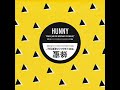
HUNNY’s Spotify BioSPIRIT!, the third LP from HUNNY, is all about embracing the weird. It’s an album born from uncertainty and built on instinct – a testament to breaking free, starting over and blocking out the external noise. Now solely the project of longtime frontman Jason Yarger, HUNNY has shed its past shape to become something more fully itself.
Fundamentally, the Epitaph-released SPIRIT! doesn’t reinvent the wheel for HUNNY as much as it keeps it rolling forward on a blend of hooky post-punk, gleaming synths and shout-along choruses. Yarger wrote and recorded the album almost entirely in his LA home studio, emptying his voice memos and Notes app of in-the-moment observationalism and off-the-cuff inspiration – all combining to strike the perfect balance between irreverent humor and indie-rock chic.
It’s yet another chameleonic turn for HUNNY, long known for shapeshifting through genres and decades with style on fan favorites like 2019’s Yes. Yes. Yes. Yes. Yes. and 2023’s new planet heaven – all… while still sounding unmistakably like itself. For Yarger, the process of making SPIRIT! ultimately marks a pivotal shift, not just creatively, but in how he envisions the future of HUNNY. Free from compromise, he’s able to follow his instincts, allowing his music to unfold in unexpected ways.
“I'm trying to be less precious with my songwriting,” he says. “I don't want anything to sound like HUNNY at this point – or, I simultaneously want nothing and everything to sound like HUNNY.”
Viberate is a music analytics platform built for A&Rs, artist managers, labels, booking agents, marketers, and artists.
It helps music professionals track artist growth, analyze audience data, monitor playlist activity, compare artists, follow song performance, and identify opportunities across the music market.
Public artist pages provide a free preview of selected artist data. Paid plans provide access to deeper analytics, historical data, charts, comparisons, playlist tools, exports, alerts, reports, and additional professional features.
Yes. Public Viberate artist pages provide selected artist analytics and music data for free.
Viberate also offers a 7-day free trial of the full platform. A credit card is required to start the trial. The trial includes access to the complete product so users can test deeper artist analytics, historical views, playlist insights, comparisons, charts, exports, alerts, and reporting features before choosing a paid plan.
Viberate provides artist analytics across streaming, playlists, social media, video, radio airplay, songs, and audience markets.
Users can analyze Spotify performance, Spotify and Apple Music playlists, YouTube activity, TikTok and Instagram growth, radio spins, song performance, audience locations, demographics, rankings, and overall artist momentum.
Artist profiles also connect to music charts, similar artists, and comparison tools, helping users benchmark performance and evaluate artists in context.
Viberate updates key artist and track data daily.
For followed artists and tracks, selected data is refreshed multiple times per day. This helps teams monitor playlist changes, streaming movement, audience growth, releases, and campaign performance with more current data.
Update frequency can vary depending on the metric and data source.
Yes. Viberate lets users compare up to five artists side by side across streaming, social media, audience, and engagement metrics.
Users can compare fanbase growth, audience demographics, locations, Spotify performance, social metrics, and other artist data over selected time periods.
Artist comparison can be used for A&R scouting, benchmarking, booking decisions, campaign planning, and evaluating artists with similar audiences or market positions.