Hule Spuma

Punk
Punk Rock
 Viberate Rank: 258177
 Viberate Rank: 258177
 Monthly ListenersFollowers
 Subscribers
 Followers
 Followers
 FansTop Spotify Songs
| Track | 7-Day Streams | |
|---|---|---|
1 | 525 | |
2 | 348 | |
3 | 288 | |
4 | 226 | |
5 | 96 |
Top YouTube VideosMonthly ListenersFeatured in Playlists| Playlist | Followers | |
|---|---|---|
1 |  The Sound of Everything The Sounds of Spotify | 53.82K |
2 |  Escena Latinoamericana Punkeando! | 5.04K |
3 |  Reactor 105.7 FM Chava | 1.50K |
4 |  Punk Turrx | Argentina Latinoamérica en Español y Portugués Matías Joaquín Lence | 1.20K |
5 |  Orbita 105.7 omarls123 | 1.17K |
Audience| City | Monthly Listeners | |
|---|---|---|
1 | | 750 |
2 | | 105 |
3 | | 76 |
4 | | 72 |
5 | | 61 |
See full performance history, audience data, playlist activity, rankings, comparisons, and more in Viberate music analytics. Start with a free trial, then continue with a paid plan.
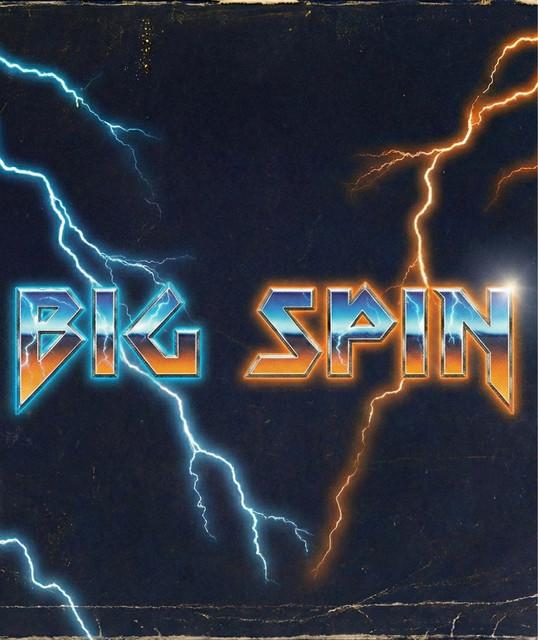
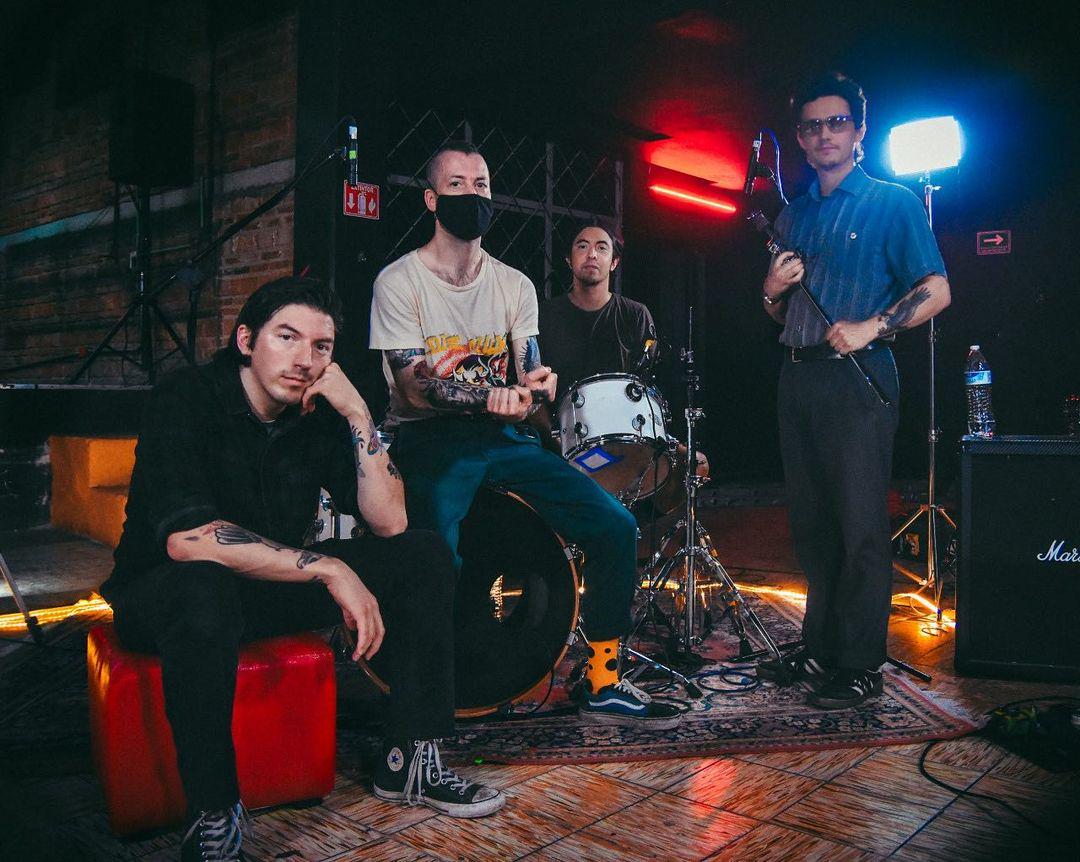
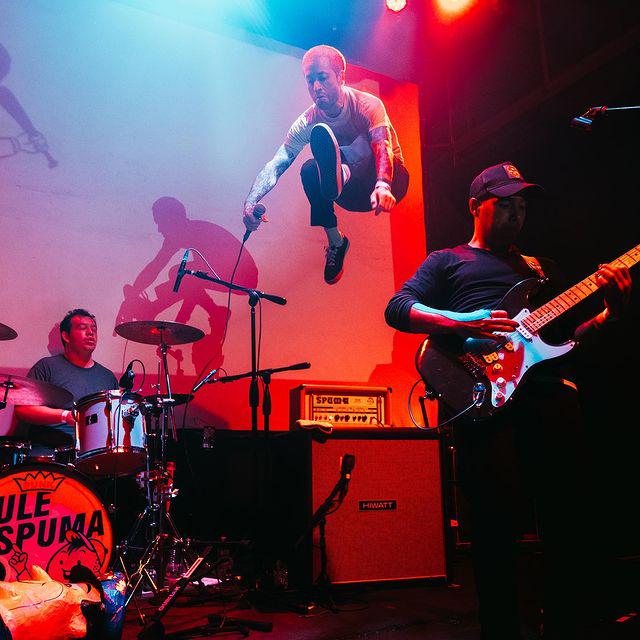
Hule Spuma’s Spotify BioHule Spuma es una banda mexicana que empezó a tocar en 1996, fuertemente influenciados por el punk californiano de bandas como NOFX, NUFAN, Slick Shoes y Strung Out. Formaron parte de una escena conformada principalmente por División Minúscula, Gula, Big Spin, 301 Izquierda, Axpi, Seguimos Perdiendo, etc. Entre 1998-2003 grabaron 2 EPs, 5 canciones para recopilatorios del Multiforo Alicia y 1 LP (que quedó enlatado). Tuvieron oportunidad de abrir para bandas como Ataque 77, Masacre 68, Saves the Day, Kris Roe de The Ataris, entre otros. La banda decidió separarse definitivamente en 2003, momento en que Christian Spuma (Xnayer) empezaría a dedicarse de lleno a la entonces banda emergente instrumental Austin TV.
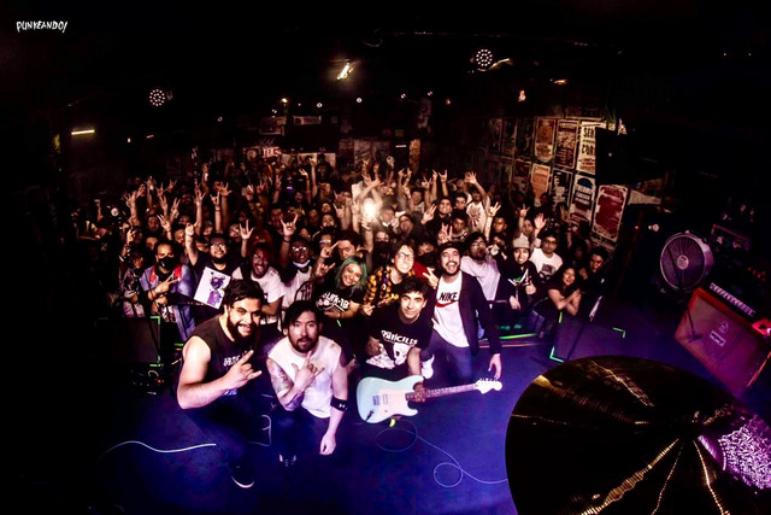
En 2021 gracias a un par de documentales sobre punk melódico mexicano, la banda se acerca y deciden reanudar relaciones para reeditar el disco Egon (2001). A finales del mismo 2021 realizan un show para celebrar el 20 aniversario de Egon en el Foro Indie Rocks. El show fue el… primero con alineación original en 16 años y resultó en un sold out.
Desde hace más de una década Hule Spuma no había compuesto ni grabado ningún material pero 2021 vio la luz de un nuevo sencillo: “Todo Tiembla”. En marzo 2022 nos entregan un EP Split junto a Big Spin titulado “Tiempos Incómodos” el cual incluye Todo Tiembla y 2 nuevas canciones (Nuestros Sueños Serán y Consecuencias).
En 2022 se encuentran componiendo más material y preparando tour a través de la república mexicana.
Viberate is a music analytics platform built for A&Rs, artist managers, labels, booking agents, marketers, and artists.
It helps music professionals track artist growth, analyze audience data, monitor playlist activity, compare artists, follow song performance, and identify opportunities across the music market.
Public artist pages provide a free preview of selected artist data. Paid plans provide access to deeper analytics, historical data, charts, comparisons, playlist tools, exports, alerts, reports, and additional professional features.
Yes. Public Viberate artist pages provide selected artist analytics and music data for free.
Viberate also offers a 7-day free trial of the full platform. A credit card is required to start the trial. The trial includes access to the complete product so users can test deeper artist analytics, historical views, playlist insights, comparisons, charts, exports, alerts, and reporting features before choosing a paid plan.
Viberate provides artist analytics across streaming, playlists, social media, video, radio airplay, songs, and audience markets.
Users can analyze Spotify performance, Spotify and Apple Music playlists, YouTube activity, TikTok and Instagram growth, radio spins, song performance, audience locations, demographics, rankings, and overall artist momentum.
Artist profiles also connect to music charts, similar artists, and comparison tools, helping users benchmark performance and evaluate artists in context.
Viberate updates key artist and track data daily.
For followed artists and tracks, selected data is refreshed multiple times per day. This helps teams monitor playlist changes, streaming movement, audience growth, releases, and campaign performance with more current data.
Update frequency can vary depending on the metric and data source.
Yes. Viberate lets users compare up to five artists side by side across streaming, social media, audience, and engagement metrics.
Users can compare fanbase growth, audience demographics, locations, Spotify performance, social metrics, and other artist data over selected time periods.
Artist comparison can be used for A&R scouting, benchmarking, booking decisions, campaign planning, and evaluating artists with similar audiences or market positions.