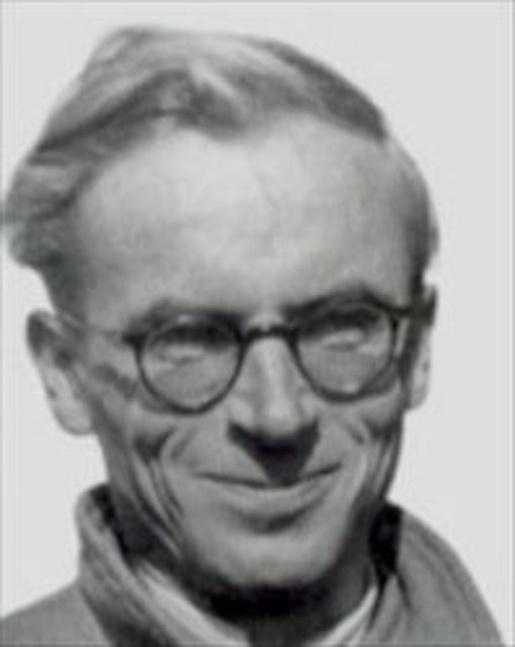
Hugo Distler

Classical
Classical Crossover
 Viberate Rank: 141460
 Viberate Rank: 141460
 Monthly ListenersFollowers
 Subscribers
 Followers
 Followers
 FansTop Spotify SongsTop YouTube VideosMonthly ListenersFeatured in Playlists
| Playlist | Followers | |
|---|---|---|
1 |  Choir songs that give me chills Alexa👹 | 102.29K |
2 |  Christian Edits for gym Will_NSunsetz | 1.52K |
3 |  Tesoros de la música coral Naxos En Español | 1.34K |
4 |  Sacred Christmas Music: Choral and Instrumental Michael Weber | 1.10K |
5 |  Traditional Catholic Christmas and Advent Hymns Bella | 1.10K |
Audience| City | Monthly Listeners | |
|---|---|---|
1 | | 226 |
2 | | 131 |
3 | | 119 |
4 | | 118 |
5 | | 96 |
See full performance history, audience data, playlist activity, rankings, comparisons, and more in Viberate music analytics. Start with a free trial, then continue with a paid plan.
Hugo Distler’s Spotify BioDeveloping a distinctive, spiritually rooted, and somewhat mystical style, Hugo Distler was the most prominent German composer of choral music and organ music during the period immediately before World War II. Although he was not Jewish, and did not compose in an atonal idiom, Distler faced persecution from Nazi cultural authorities.
Distler was born June 24, 1908, in Nuremberg, Germany. He was the illegitimate son of a local seamstress and a factory owner, and when he was four he was abandoned by his mother and raised by grandparents who were not well-off. A local teacher gave him music lessons at no charge, and Distler was able to enter the Leipzig Conservatory in 1927. He also studied with Günther Ramin, organist at the venerable Thomaskirche. When family support ran out, he was forced, in 1931, to leave school and take a job as organist at St. Jacobi church in Lübeck, for which he had been recommended by Ramin. From this point on, he composed choral and organ music prolifically; one… of his first major works was Der Jahrkreis, Op. 5, a cycle of small choral pieces for the entire church year. In 1933, facing precarious employment prospects, Distler joined the Nazi party although he was a member of a Lutheran sect that opposed fascism.
He was appointed to head the chamber music department at the Lübeck Conservatory, and also taught church music in Spandau. In 1935, he composed Die Weihnachtsgeschichte, Op. 10, a choral work narrating the Christmas story based on the old Es ist ein Ros' entsprungen melody. Although he wrote some patriotic pieces to serve the needs of the German regime, he increasingly faced trouble from Nazi authorities who disliked his a cappella church music, which is often inward and intensely chromatic. The deadly Nazi descriptor Entartete Kunst (Degenerate Art) was applied to his music, but he was admired by his peers and was appointed lecturer at the Württemburg Musikhochschule in Stuttgart and leader of the Esslinger Singakademie choir in 1937.
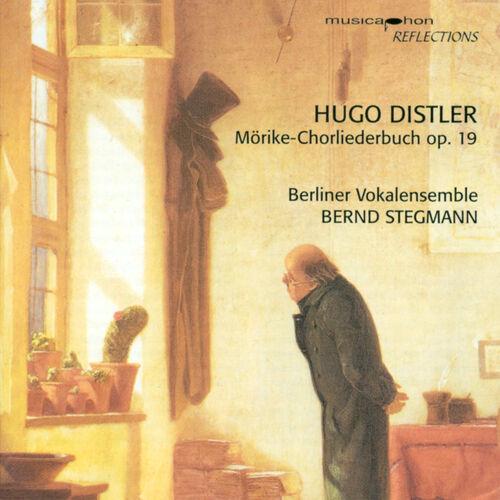
Major works such as Distler's Mörike Chorliederbuch were premiered by German choirs and performed at choral festivals. Distler became a professor at the Berliner Hochschule für Music, and in 1942 he was appointed conductor of the Berlin State and Cathedral Choir. During this entire period, he faced problems with the German regime. The Esslinger Singakademie was dissolved after Distler led a performance of Bach's St. John Passion, BWV 245, without having obtained the proper permits ("It must be fortunate for you to have sung these works," Distler told the choristers at a farewell dinner).
Repeatedly drafted into the German army, Distler managed to avoid military service five times. A sixth draft order was outstanding when Distler committed suicide on November 1, 1942, at age 34, in Berlin. His choral music was little known outside Germany, but German choirs after the war spread it to other countries. In addition to choral and organ music, Distler composed chamber music, works for solo piano, a piano concerto, and a harpsichord concerto.
Viberate is a music analytics platform built for A&Rs, artist managers, labels, booking agents, marketers, and artists.
It helps music professionals track artist growth, analyze audience data, monitor playlist activity, compare artists, follow song performance, and identify opportunities across the music market.
Public artist pages provide a free preview of selected artist data. Paid plans provide access to deeper analytics, historical data, charts, comparisons, playlist tools, exports, alerts, reports, and additional professional features.
Yes. Public Viberate artist pages provide selected artist analytics and music data for free.
Viberate also offers a 7-day free trial of the full platform. A credit card is required to start the trial. The trial includes access to the complete product so users can test deeper artist analytics, historical views, playlist insights, comparisons, charts, exports, alerts, and reporting features before choosing a paid plan.
Viberate provides artist analytics across streaming, playlists, social media, video, radio airplay, songs, and audience markets.
Users can analyze Spotify performance, Spotify and Apple Music playlists, YouTube activity, TikTok and Instagram growth, radio spins, song performance, audience locations, demographics, rankings, and overall artist momentum.
Artist profiles also connect to music charts, similar artists, and comparison tools, helping users benchmark performance and evaluate artists in context.
Viberate updates key artist and track data daily.
For followed artists and tracks, selected data is refreshed multiple times per day. This helps teams monitor playlist changes, streaming movement, audience growth, releases, and campaign performance with more current data.
Update frequency can vary depending on the metric and data source.
Yes. Viberate lets users compare up to five artists side by side across streaming, social media, audience, and engagement metrics.
Users can compare fanbase growth, audience demographics, locations, Spotify performance, social metrics, and other artist data over selected time periods.
Artist comparison can be used for A&R scouting, benchmarking, booking decisions, campaign planning, and evaluating artists with similar audiences or market positions.