Hugh Wolff

Classical
Orchestral
Chamber Music
 Viberate Rank: 214910
 Viberate Rank: 214910
 Monthly ListenersFollowers
 Subscribers
 Followers
 Followers
 FansTop Spotify Songs
| Track | 7-Day Streams | |
|---|---|---|
1 | 31.34K | |
2 | 3.12K | |
3 | 1.83K | |
4 | 1.21K | |
5 | 1.02K |
Top YouTube VideosMonthly ListenersFeatured in Playlists| Playlist | Followers | |
|---|---|---|
1 |  This Is Liszt Spotify | 138.91K |
2 | Study with me - Ali Abdaal Ali Abdaal | 69.17K |
3 |  Famous Piano Pieces Piano Library | 33.67K |
4 |  Rick and Morty Soundtracks: S1 - S9 Anders Wang | 14.94K |
5 |  Best of Baroque Warner Classics | 14.41K |
Audience| City | Monthly Listeners | |
|---|---|---|
1 |  | 1.69K |
2 |  | 1.21K |
3 |  | 987 |
4 |  | 960 |
5 |  | 889 |
See full performance history, audience data, playlist activity, rankings, comparisons, and more in Viberate music analytics. Start with a free trial, then continue with a paid plan.
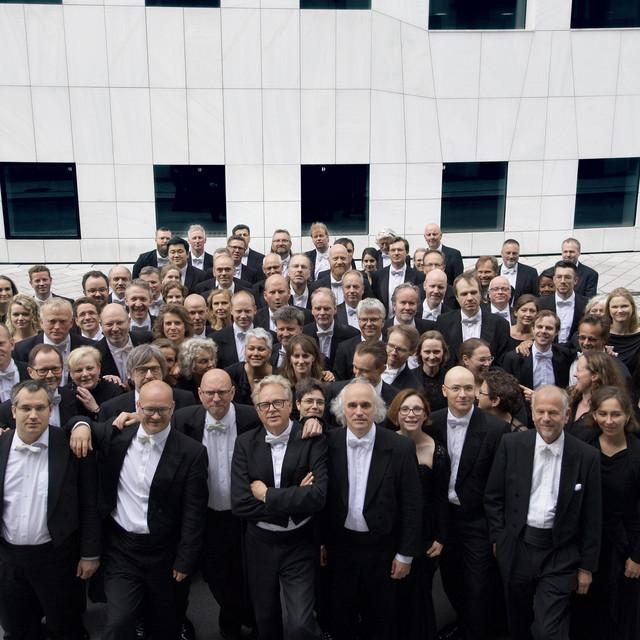
Hugh Wolff’s Spotify BioHugh Wolff, one of the few American conductors to enjoy a truly international reputation, has become especially renowned for his advocacy of contemporary music. Wolff, born in Paris to American parents, received a thorough musical training; he pursued formal studies in piano, composition, and conducting, earning degrees from Harvard University and the Peabody Institute. He also had the opportunity to study composition with Olivier Messiaen and conducting with Charles Bruch in Paris.
Wolff's conducting career began in 1979, when he was appointed Exxon/Arts Endowment Conductor of the National Symphony Orchestra; he served as associate conductor of that ensemble, then led by Mstislav Rostropovich, from 1982 to 1985. During that period he also served as music director of the Northeastern Pennsylvania Philharmonic (1981-1986), his first such appointment. In 1985 became music director of the New Jersey Symphony Orchestra, a post he retained until 1992. From the 1980s to the present he has… also appeared frequently as a guest conductor throughout the United States and Europe, including appearances with the Czech Philharmonic, the Royal Stockholm Philharmonic, the London Philharmonic, the English Chamber Orchestra, and the Israel Philharmonic.
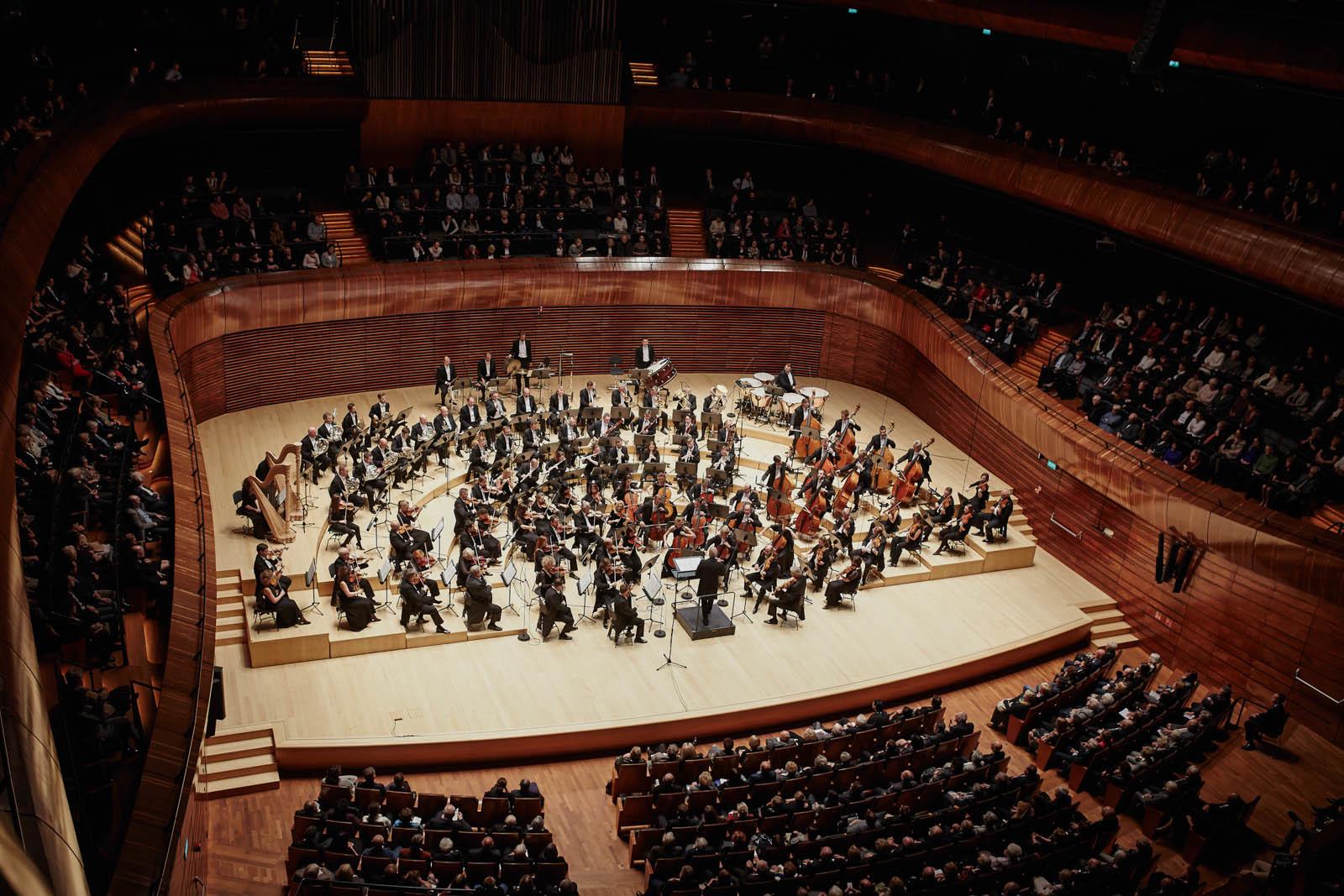
Wolff came into new prominence through his association with the St. Paul Chamber Orchestra, which he led as principal conductor (1988-1991) and music director (1991-2000). During his tenure there, he recorded over 20 compact discs -- more than those of any other conductor of the SPCO -- of repertoire ranging from Vivaldi to Dvorak to Ravel to new works by young composers like Edgar Meyer. He also led the ensemble on a well-received European tour.
Between 1997 and 2006 Wolff served as chief conductor of the Radio Orchestra of Frankfurt. In 2001, his recordings of Antheil's Symphonies Nos. 1 & 6 and of Barber's and Meyer's violin concertos, with Hilary Hahn, won Cannes Classical awards.
Viberate is a music analytics platform built for A&Rs, artist managers, labels, booking agents, marketers, and artists.
It helps music professionals track artist growth, analyze audience data, monitor playlist activity, compare artists, follow song performance, and identify opportunities across the music market.
Public artist pages provide a free preview of selected artist data. Paid plans provide access to deeper analytics, historical data, charts, comparisons, playlist tools, exports, alerts, reports, and additional professional features.
Yes. Public Viberate artist pages provide selected artist analytics and music data for free.
Viberate also offers a 7-day free trial of the full platform. A credit card is required to start the trial. The trial includes access to the complete product so users can test deeper artist analytics, historical views, playlist insights, comparisons, charts, exports, alerts, and reporting features before choosing a paid plan.
Viberate provides artist analytics across streaming, playlists, social media, video, radio airplay, songs, and audience markets.
Users can analyze Spotify performance, Spotify and Apple Music playlists, YouTube activity, TikTok and Instagram growth, radio spins, song performance, audience locations, demographics, rankings, and overall artist momentum.
Artist profiles also connect to music charts, similar artists, and comparison tools, helping users benchmark performance and evaluate artists in context.
Viberate updates key artist and track data daily.
For followed artists and tracks, selected data is refreshed multiple times per day. This helps teams monitor playlist changes, streaming movement, audience growth, releases, and campaign performance with more current data.
Update frequency can vary depending on the metric and data source.
Yes. Viberate lets users compare up to five artists side by side across streaming, social media, audience, and engagement metrics.
Users can compare fanbase growth, audience demographics, locations, Spotify performance, social metrics, and other artist data over selected time periods.
Artist comparison can be used for A&R scouting, benchmarking, booking decisions, campaign planning, and evaluating artists with similar audiences or market positions.