Hubert Clifford

Classical
Classical Crossover
Orchestral
 Viberate Rank: 766607
 Viberate Rank: 766607
 Monthly ListenersFollowers
 Subscribers
 Followers
 Followers
 FansTop Spotify SongsTop YouTube VideosMonthly ListenersFeatured in Playlists
| Playlist | Followers | |
|---|---|---|
1 |  light & happy classical music trinity | 7.72K |
2 |  Genius Baby(Brain Development) Pinky Louh | 5.37K |
3 |  The Complete KPM 1000 Series [SHUFFLE FOR BEST RESULTS] burnleyvest | 4.33K |
4 |  Classical Music for Sleeping Nate Hinebaugh | 3.59K |
5 |  Study Relax Music 🎵 Camila MM | 2.08K |
Audience| City | Monthly Listeners | |
|---|---|---|
1 |  | 44 |
2 | | 24 |
3 | | 18 |
4 |  | 16 |
5 | | 15 |
See full performance history, audience data, playlist activity, rankings, comparisons, and more in Viberate music analytics. Start with a free trial, then continue with a paid plan.
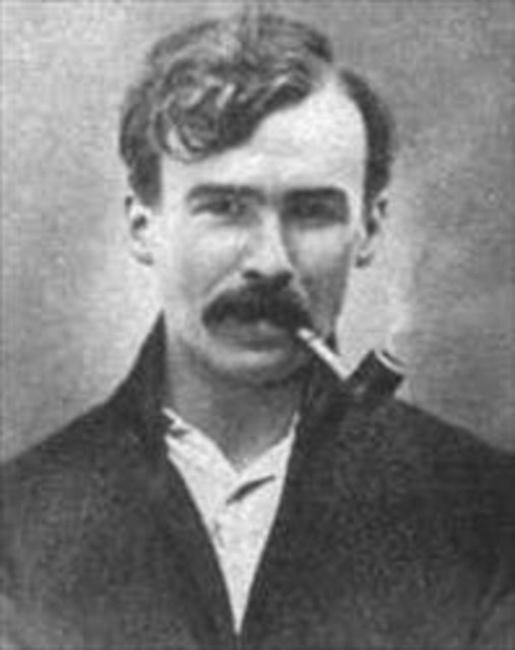
Hubert Clifford’s Spotify BioHubert Clifford was born in 1904 in Victoria, Australia. He showed two keen interests growing up, science and music, and ended up simultaneously pursuing a degree in chemistry at the University of Melbourne and studying at the Melbourne Conservatory of Music. The latter won out and by his late twenties, he was well known as a conductor in Victoria, making a particularly strong impression with the local opera company. He studied composition with Fritz Hart, upon whose advice he emigrated to England to study with Ralph Vaughan Williams. Clifford worked as a music teacher and was later employed by the BBC as a music and broadcasting official with responsibilities including the performance of music for broadcast by short wave to distant corners of the British Empire. Clifford's first major composition was A Kentish Suite (1935), a five-movement work intended for student orchestras. Ebullient, extrovert, and fully tonal, this piece was inspired by seventeenth century religious music and… also in folk songs associated with the Kentish countryside. A much more serious and complex work, the Symphony 1940, followed at the outset of the war, its two years of composition concluding with music written during the earliest German air raids upon London. In its vitally rhythmic opening and closing movements, the symphony showed the strong influence of William Walton, to whose work he professed great affinity. The symphony was presented by the BBC in fragmentary form, its four movements recorded for broadcast at different times and under different conductors during and immediately after the war. By then, Clifford had gone to work for film mogul Sir Alexander Korda as the music director at London Films, supervising and commissioning the scores for such pictures as Anna Karenina (1948) and The Third Man (1949), among many others. Clifford returned to the BBC in the mid-'50s as the director of light music, though he continued to work in films as well until 1958. During his final decade, he was closely associated with light classical and mood music, a fact that resulted in the neglect of Clifford's serious music output, which was largely forgotten after his death in 1959. This situation was only rectified at the start of the twenty first century with interest on the part of the BBC and Chandos Records in rediscovering and recording the work of previously overlooked British composers.
Viberate is a music analytics platform built for A&Rs, artist managers, labels, booking agents, marketers, and artists.
It helps music professionals track artist growth, analyze audience data, monitor playlist activity, compare artists, follow song performance, and identify opportunities across the music market.
Public artist pages provide a free preview of selected artist data. Paid plans provide access to deeper analytics, historical data, charts, comparisons, playlist tools, exports, alerts, reports, and additional professional features.
Yes. Public Viberate artist pages provide selected artist analytics and music data for free.
Viberate also offers a 7-day free trial of the full platform. A credit card is required to start the trial. The trial includes access to the complete product so users can test deeper artist analytics, historical views, playlist insights, comparisons, charts, exports, alerts, and reporting features before choosing a paid plan.
Viberate provides artist analytics across streaming, playlists, social media, video, radio airplay, songs, and audience markets.
Users can analyze Spotify performance, Spotify and Apple Music playlists, YouTube activity, TikTok and Instagram growth, radio spins, song performance, audience locations, demographics, rankings, and overall artist momentum.
Artist profiles also connect to music charts, similar artists, and comparison tools, helping users benchmark performance and evaluate artists in context.
Viberate updates key artist and track data daily.
For followed artists and tracks, selected data is refreshed multiple times per day. This helps teams monitor playlist changes, streaming movement, audience growth, releases, and campaign performance with more current data.
Update frequency can vary depending on the metric and data source.
Yes. Viberate lets users compare up to five artists side by side across streaming, social media, audience, and engagement metrics.
Users can compare fanbase growth, audience demographics, locations, Spotify performance, social metrics, and other artist data over selected time periods.
Artist comparison can be used for A&R scouting, benchmarking, booking decisions, campaign planning, and evaluating artists with similar audiences or market positions.