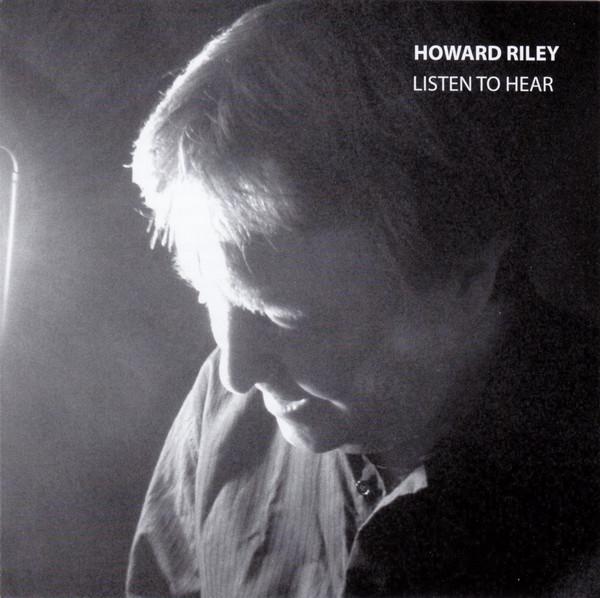
Howard Riley

Jazz
Smooth Jazz
Free Jazz
 Viberate Rank: 781433
 Viberate Rank: 781433
 Monthly ListenersFollowers
 Subscribers
 Followers
 Followers
 FansTop Spotify Songs
| Track | 7-Day Streams | |
|---|---|---|
1 | 20 | |
2 | 9 | |
3 | 7 | |
4 | 3 | |
5 | 1 |
Top YouTube VideosMonthly ListenersFeatured in Playlists| Playlist | Followers | |
|---|---|---|
1 |  Real Book - Jazz standards/classics Anders Garbom Bjørklund | 13.79K |
2 |  The Sound of Free Jazz The Sounds of Spotify | 10.46K |
3 |  The Sound of Avant-Garde Jazz The Sounds of Spotify | 4.05K |
Audience| City | Monthly Listeners | |
|---|---|---|
1 | | 4 |
See full performance history, audience data, playlist activity, rankings, comparisons, and more in Viberate music analytics. Start with a free trial, then continue with a paid plan.
Howard Riley’s Spotify Biob. John Howard Riley, 16 February 1943, Huddersfield, Yorkshire, England. Riley began playing piano at the age of six, although it was another 10 years before he began to play jazz. At university he studied under Bernard Rands at Bangor, North Wales (1961-66) gaining BA and MA degrees, then with David Baker at Indiana, adding M.Mus to his name in 1967. From 1967-70 he studied for his PhD at York University under Wilfred Mellers, who wrote a piece (Yeibichai) for symphony orchestra, scat singer and jazz trio that was performed by the BBC Symphony Orchestra, Frank Holder and Riley’s trio at the 1969 Proms. Riley had led a trio at Bangor, and later joined Evan Parker’s quartet. On his return from Indiana he formed a trio with Barry Guy (and sometimes Ron Rubin) and Jon Hiseman (also Tony Oxley and, later, Alan Jackson) and began writing for bands including the Spontaneous Music Ensemble and the Don Rendell - Ian Carr Quintet.
At this time he also began to have his chamber and orchestral… pieces performed in concert, and was a founder member of the Musicians’ Co-Operative. He has composed for Barry Guy’s London Jazz Composers’ Orchestra and the New Jazz Orchestra and played with Keith Tippett, John McLaughlin (who had also occasionally sat in with the late 60s trio), Jaki Byard, Elton Dean, the LJCO (being the featured soloist on their Double Trouble), Barbara Thompson, Oxley and many others. He has also taught at the Guildhall and Goldsmith’s schools of music in London and at the Center Of The Creative And Performing Arts in Buffalo. In the late 80s he began to release both old and new recordings on his own cassette label, Falcon Tapes. In 1990, he and Dean co-led a quartet of improvisers on a set of jazz standards, All The Tradition.
Viberate is a music analytics platform built for A&Rs, artist managers, labels, booking agents, marketers, and artists.
It helps music professionals track artist growth, analyze audience data, monitor playlist activity, compare artists, follow song performance, and identify opportunities across the music market.
Public artist pages provide a free preview of selected artist data. Paid plans provide access to deeper analytics, historical data, charts, comparisons, playlist tools, exports, alerts, reports, and additional professional features.
Yes. Public Viberate artist pages provide selected artist analytics and music data for free.
Viberate also offers a 7-day free trial of the full platform. A credit card is required to start the trial. The trial includes access to the complete product so users can test deeper artist analytics, historical views, playlist insights, comparisons, charts, exports, alerts, and reporting features before choosing a paid plan.
Viberate provides artist analytics across streaming, playlists, social media, video, radio airplay, songs, and audience markets.
Users can analyze Spotify performance, Spotify and Apple Music playlists, YouTube activity, TikTok and Instagram growth, radio spins, song performance, audience locations, demographics, rankings, and overall artist momentum.
Artist profiles also connect to music charts, similar artists, and comparison tools, helping users benchmark performance and evaluate artists in context.
Viberate updates key artist and track data daily.
For followed artists and tracks, selected data is refreshed multiple times per day. This helps teams monitor playlist changes, streaming movement, audience growth, releases, and campaign performance with more current data.
Update frequency can vary depending on the metric and data source.
Yes. Viberate lets users compare up to five artists side by side across streaming, social media, audience, and engagement metrics.
Users can compare fanbase growth, audience demographics, locations, Spotify performance, social metrics, and other artist data over selected time periods.
Artist comparison can be used for A&R scouting, benchmarking, booking decisions, campaign planning, and evaluating artists with similar audiences or market positions.