Hotwire

Rock
Hard Rock
Pop Rock
 Viberate Rank: 502048
 Viberate Rank: 502048
 Monthly ListenersFollowers
 Subscribers
 Followers
 Followers
 FansTop Spotify Songs
| Track | 7-Day Streams | |
|---|---|---|
1 | 28 | |
2 | 28 | |
3 | 20 | |
4 | 14 | |
5 | 13 |
Top YouTube VideosMonthly ListenersFeatured in Playlists| Playlist | Followers | |
|---|---|---|
1 | Melodic Hard Rock/Metal - AOR Jimmys Blackmore | 2.58K |
2 |  I Wanna Rock JaviFlames | 2.26K |
3 | Classic AOR Benjamin Weaver | 1.06K |
4 |  80s Arena Vibes Unleashed Metallian | 1.02K |
Audience| City | Monthly Listeners | |
|---|---|---|
1 | | 15 |
2 | | 6 |
3 |  | 5 |
4 | | 4 |
5 | | 3 |
See full performance history, audience data, playlist activity, rankings, comparisons, and more in Viberate music analytics. Start with a free trial, then continue with a paid plan.
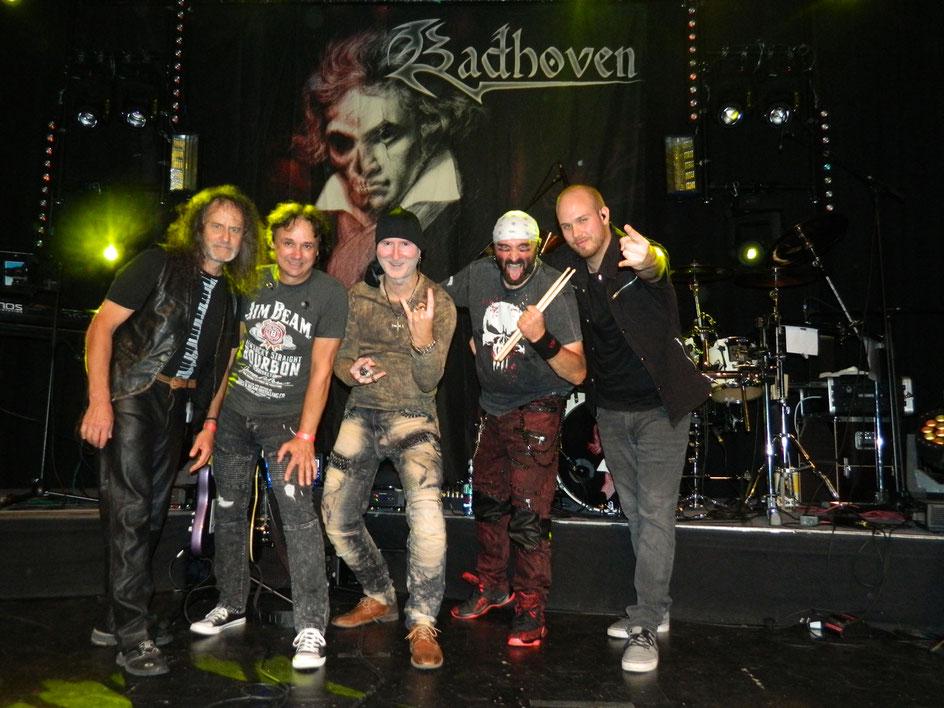
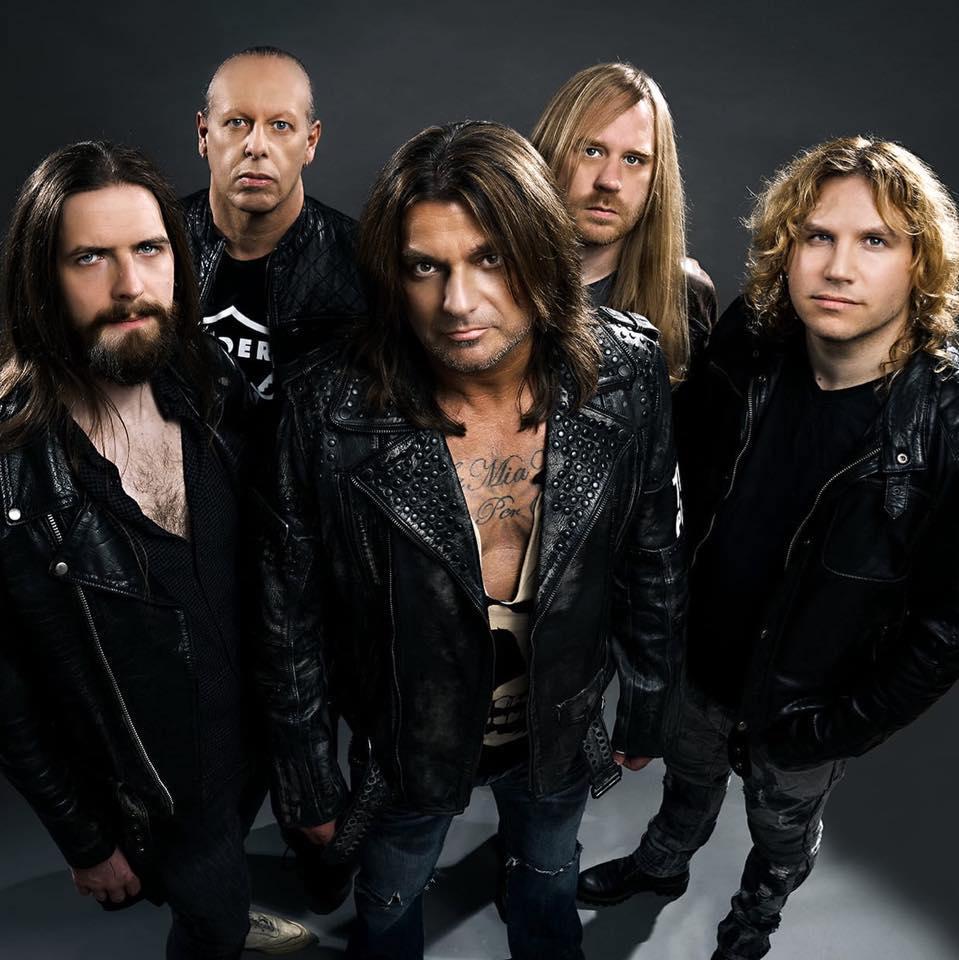
Hotwire’s Spotify Bio2006, the melodic rockers HOTWIRE, who were quite an institution in the local scene in the 90s, parted ways. HOTWIRE was founded in 1993 and they quickly gained a solid fan base in Melodic Rock circles, also through numerous shows with bands such as BONFIRE, JADED HEART or CRYSTAL BALL. In 2001 they were even on a big European tour with SHAKRA and DOMAIN. Later they went on tour with PRETTY MAIDS. In 1995, BONFIRE members Claus Lessmann and Hans Ziller took HOTWIRE under their wing and produced their self-titled debut album. The album 'Face Another Day' followed three years later.
During the recordings for the EP 'Middle Of Nowhere' in 2001, the band parted ways with original singer Michael Werner and Andy Urbeck taking over the microphone. In 2006 followed the last HOTWIRE album 'Devil In Disguise' produced by ex-BONFIRE Chris Lausmann. Shortly thereafter they separated.
On the occasion of the 20th anniversary of the band in 2013, there was a first small live reunion with the almost… original line-up. Now in 2023, the original members Michael Werner (vocals) and Tom Glas (drums) want to do it all over again. For the comeback they are presenting a best of album with a new song (Slam!) and two newly recorded fan and band faves. The other twelve classic songs have been remastered. If you haven't known HOTWIRE yet, you can now do so!!!
Viberate is a music analytics platform built for A&Rs, artist managers, labels, booking agents, marketers, and artists.
It helps music professionals track artist growth, analyze audience data, monitor playlist activity, compare artists, follow song performance, and identify opportunities across the music market.
Public artist pages provide a free preview of selected artist data. Paid plans provide access to deeper analytics, historical data, charts, comparisons, playlist tools, exports, alerts, reports, and additional professional features.
Yes. Public Viberate artist pages provide selected artist analytics and music data for free.
Viberate also offers a 7-day free trial of the full platform. A credit card is required to start the trial. The trial includes access to the complete product so users can test deeper artist analytics, historical views, playlist insights, comparisons, charts, exports, alerts, and reporting features before choosing a paid plan.
Viberate provides artist analytics across streaming, playlists, social media, video, radio airplay, songs, and audience markets.
Users can analyze Spotify performance, Spotify and Apple Music playlists, YouTube activity, TikTok and Instagram growth, radio spins, song performance, audience locations, demographics, rankings, and overall artist momentum.
Artist profiles also connect to music charts, similar artists, and comparison tools, helping users benchmark performance and evaluate artists in context.
Viberate updates key artist and track data daily.
For followed artists and tracks, selected data is refreshed multiple times per day. This helps teams monitor playlist changes, streaming movement, audience growth, releases, and campaign performance with more current data.
Update frequency can vary depending on the metric and data source.
Yes. Viberate lets users compare up to five artists side by side across streaming, social media, audience, and engagement metrics.
Users can compare fanbase growth, audience demographics, locations, Spotify performance, social metrics, and other artist data over selected time periods.
Artist comparison can be used for A&R scouting, benchmarking, booking decisions, campaign planning, and evaluating artists with similar audiences or market positions.