Hot Snakes

Punk
Post Hardcore
Noise Rock
 Viberate Rank: 23891
 Viberate Rank: 23891
 Monthly ListenersFollowers
 Subscribers
 Followers
 Followers
 FansTop Spotify Songs
| Track | 7-Day Streams | |
|---|---|---|
1 | 5.63K | |
2 | 3.91K | |
3 | 3.87K | |
4 | 2.90K | |
5 | 2.53K |
Top YouTube Videos| Video | 7-Day Views | |
|---|---|---|
1 | 250.46K | |
2 | 237.64K | |
3 | 79.05K | |
4 | 75.91K | |
5 | 57.27K |
Monthly ListenersFeatured in Playlists| Playlist | Followers | |
|---|---|---|
1 | GTA V Songs Leroy Witkamp | 54.39K |
2 | Forza Horizon 4 Soundtrack jakediditagain | 52.86K |
3 |  COUNTER//CULTURE: Mannequin Pussy Spotify | 31.51K |
4 | Lars' Playlist Metallica | 22.42K |
5 |  Tony Hawk's American Wasteland (2005) ジュリアーノ 64 | 22.28K |
Audience| City | Monthly Listeners | |
|---|---|---|
1 | | 812 |
2 | | 809 |
3 |  | 652 |
4 | | 591 |
5 | | 590 |
See full performance history, audience data, playlist activity, rankings, comparisons, and more in Viberate music analytics. Start with a free trial, then continue with a paid plan.
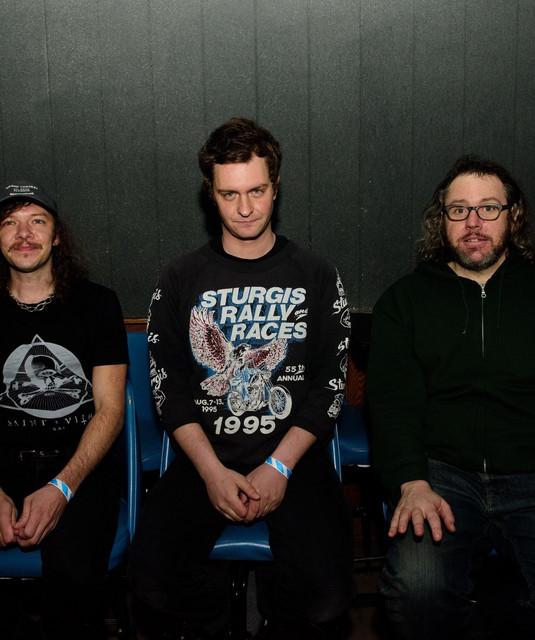
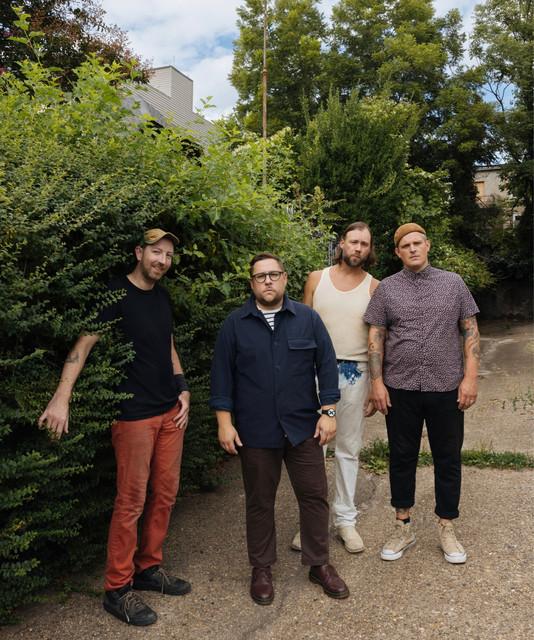
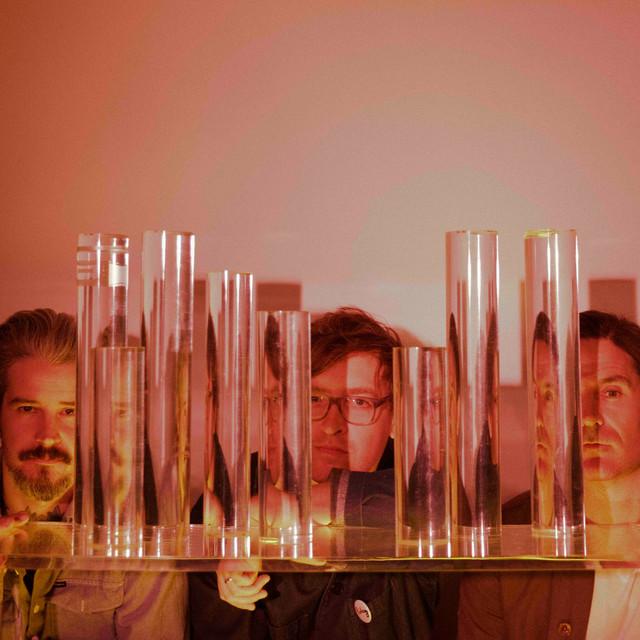
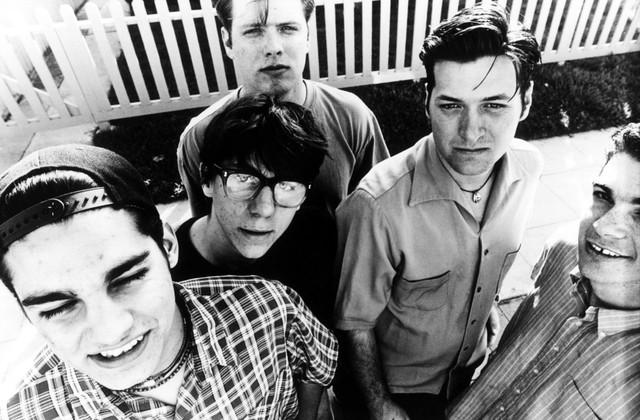
Hot Snakes’ Spotify BioRevolving around the talents of childhood friends, frequent bandmates, and rock & roll believers John "Speedo" Reis and Rick Froberg, Hot Snakes formed in the late '90s and released a string of no-frills, high-energy albums in the early 2000s, then re-formed and released Jericho Sirens for Sub Pop in 2018.
Reis and Froberg first played together in the post-hardcore band Pitchfork in the late '80s, then changed direction to form Drive Like Jehu in 1990. At the same time Reis formed Rocket from the Crypt. While they had different sounds -- Drive Like Jehu more abrasive, RFTC more anthemic and fun -- the two bands followed a similar path commercially. They both released albums in 1991, then in 1992 signed to Interscope Records. Drive Like Jehu released Yank Crime in 1994, then folded, after which Froberg moved to N.Y.C. to work as an illustrator. Reis continued playing and recording with RFTC until 1999, when the band left Interscope and decided to take a break. He started up Hot Snakes… with ex-Delta 72 drummer Jason Kourkounis and began working on a batch of songs in San Diego. The duo then called in Froberg to provide vocals once the recording got serious. The resulting album, 2000's Automatic Midnight, was the first release on Reis' Swami Records. With the help of bassist Gar Wood, the bandmembers went on a short tour before heading back to their respective cities (Reis to San Diego, Froberg to N.Y.C., Kourkounis to Philadelphia). Reis also used his brief downtime from RFTC to start another band, Sultans.
Hot Snakes soon got back together to record another album, this time with Wood on board in the studio. Tracked at Reis' home studio, 2002's Suicide Invoice saw the group branching out a bit from the primal garage punk sound of its debut. They headed out on tour after its release. When they returned, Kourkounis left and joined Burning Brides. He was replaced by Mario Rubalcaba, who was also playing in RFTC, and Hot Snakes went back to the studio to cut their third album for Swami. Reis' studio had burned down not long before, so the foursome headed to Big Fish Studio to work again with recording engineer Ben Moore. Audit in Progress was released in late 2004 and the band decamped to Europe for a tour soon after. While in England, they had the honor of recording one of the last Peel Sessions before John Peel's death. The session was issued by Swami in 2005. The band toured Australia that year, recording a Triple J Radio session in May that was released by Swami in 2006. By that time, the bandmembers had decided to take a break from playing together. Reis concentrated on Sultans and running Swami, while Froberg returned to his day job.
By 2008, Sultans were done, Reis had a new band (with Wood on guitar and Kourkounis on drums) called the Night Marchers, and Froberg had formed a new combo called the Obits. When the two bands shared the bill at a 2010 show in San Diego, they revisited the glory days of Hot Snakes by getting together to play a handful of songs and doing short reunion tours in 2011 and 2012, with both Kourkounis and Rubalcaba helming the drums. After those gigs, the band went dark again until the two longtime friends decided in 2017 that the time was right to get back into the studio. With a lineup that included Wood on bass and the dual-drum attack of Kourkounis and Rubalcaba, the band spent a year recording in San Diego and Philadelphia, with longtime collaborator Ben Moore recording and mixing the songs. They signed with Sub Pop and the label reissued their first three albums early in 2018 as a taster for the upcoming record. The stripped-down and powerful Jericho Sirens was released in March of 2018. The band went on the road afterward, then started work on their next album. It was nearly wrapped up when Froberg passed away in June of 2023 at the age of 55. ~ Tim Sendra, Rovi
Viberate is a music analytics platform built for A&Rs, artist managers, labels, booking agents, marketers, and artists.
It helps music professionals track artist growth, analyze audience data, monitor playlist activity, compare artists, follow song performance, and identify opportunities across the music market.
Public artist pages provide a free preview of selected artist data. Paid plans provide access to deeper analytics, historical data, charts, comparisons, playlist tools, exports, alerts, reports, and additional professional features.
Yes. Public Viberate artist pages provide selected artist analytics and music data for free.
Viberate also offers a 7-day free trial of the full platform. A credit card is required to start the trial. The trial includes access to the complete product so users can test deeper artist analytics, historical views, playlist insights, comparisons, charts, exports, alerts, and reporting features before choosing a paid plan.
Viberate provides artist analytics across streaming, playlists, social media, video, radio airplay, songs, and audience markets.
Users can analyze Spotify performance, Spotify and Apple Music playlists, YouTube activity, TikTok and Instagram growth, radio spins, song performance, audience locations, demographics, rankings, and overall artist momentum.
Artist profiles also connect to music charts, similar artists, and comparison tools, helping users benchmark performance and evaluate artists in context.
Viberate updates key artist and track data daily.
For followed artists and tracks, selected data is refreshed multiple times per day. This helps teams monitor playlist changes, streaming movement, audience growth, releases, and campaign performance with more current data.
Update frequency can vary depending on the metric and data source.
Yes. Viberate lets users compare up to five artists side by side across streaming, social media, audience, and engagement metrics.
Users can compare fanbase growth, audience demographics, locations, Spotify performance, social metrics, and other artist data over selected time periods.
Artist comparison can be used for A&R scouting, benchmarking, booking decisions, campaign planning, and evaluating artists with similar audiences or market positions.