Hot Griselda

European
Celtic
 Viberate Rank: 406489
 Viberate Rank: 406489
 Monthly ListenersFollowers
 Subscribers
 Followers
 Followers
 FansTop Spotify Songs
| Track | 7-Day Streams | |
|---|---|---|
1 | 248 | |
2 | 81 | |
3 | 70 | |
4 | 54 | |
5 | 48 |
Top YouTube VideosMonthly ListenersFeatured in Playlists| Playlist | Followers | |
|---|---|---|
1 |  Celtic Music ☘️ The Gothard Sisters | 105.95K |
2 |  Celtic Music – Irish, Scottish & Fantasy Folk Derek Fiechter | 72.83K |
3 | Irish Music Dan Corcoran | 53.25K |
4 |  Irische Musik Lasse Kelzenberg | 12.98K |
5 |  Uilleann Pipes music John McSherry | 6.91K |
Audience| City | Monthly Listeners | |
|---|---|---|
1 | | 23 |
2 | | 22 |
3 |  | 18 |
4 |  | 16 |
5 |  | 14 |
See full performance history, audience data, playlist activity, rankings, comparisons, and more in Viberate music analytics. Start with a free trial, then continue with a paid plan.
Hot Griselda’s Spotify Bio2007; Hot Griselda hit the folk scene by surprise and hit it hard! In no time the band establishes a big fan base all over Europe with their unique progressive sound. Highlights such as Rudolstadt Festival in Germany, Le Son Continu in France and Gooikoorts in Belgium are only a few examples of their many successful festival appearances.
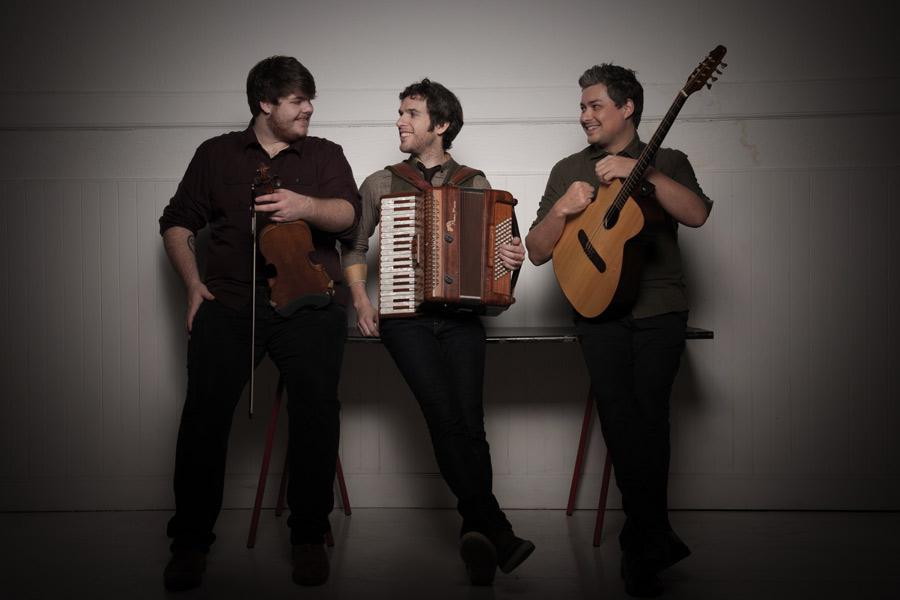
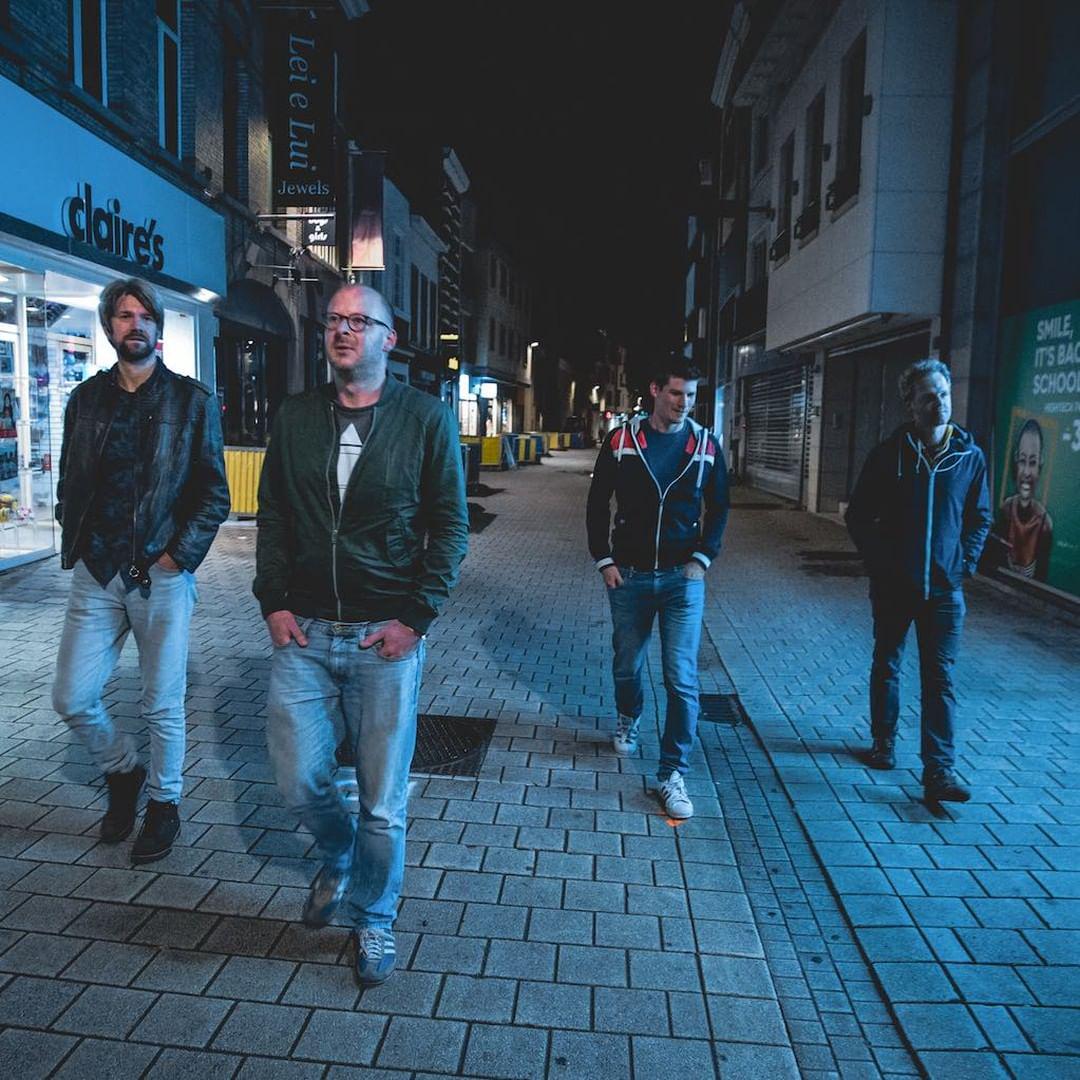
Existing out of four highly skilled musicians based in Belgium and The Netherlands, Hot Griselda proudly represent what the lowlands really stands for; an open-minded cultural region, with artists who knead their tradition into a sound that rather represents the future then the past.
Kaspar Laval’s airtight bouzouki playing along with Jeroen Geerinck’s ultra deep guitar and bodhran grooves are the rhythmic backbone of Hot Griselda’s powerful sound. On this massive foundation, Stijn van Beek and Toon van Mierlo lay out a myriad of melodies.
Their latest album "Sunbox" (July 2018) is a purified collection of tunes that are the result of making music… together for over 10 years.
Viberate is a music analytics platform built for A&Rs, artist managers, labels, booking agents, marketers, and artists.
It helps music professionals track artist growth, analyze audience data, monitor playlist activity, compare artists, follow song performance, and identify opportunities across the music market.
Public artist pages provide a free preview of selected artist data. Paid plans provide access to deeper analytics, historical data, charts, comparisons, playlist tools, exports, alerts, reports, and additional professional features.
Yes. Public Viberate artist pages provide selected artist analytics and music data for free.
Viberate also offers a 7-day free trial of the full platform. A credit card is required to start the trial. The trial includes access to the complete product so users can test deeper artist analytics, historical views, playlist insights, comparisons, charts, exports, alerts, and reporting features before choosing a paid plan.
Viberate provides artist analytics across streaming, playlists, social media, video, radio airplay, songs, and audience markets.
Users can analyze Spotify performance, Spotify and Apple Music playlists, YouTube activity, TikTok and Instagram growth, radio spins, song performance, audience locations, demographics, rankings, and overall artist momentum.
Artist profiles also connect to music charts, similar artists, and comparison tools, helping users benchmark performance and evaluate artists in context.
Viberate updates key artist and track data daily.
For followed artists and tracks, selected data is refreshed multiple times per day. This helps teams monitor playlist changes, streaming movement, audience growth, releases, and campaign performance with more current data.
Update frequency can vary depending on the metric and data source.
Yes. Viberate lets users compare up to five artists side by side across streaming, social media, audience, and engagement metrics.
Users can compare fanbase growth, audience demographics, locations, Spotify performance, social metrics, and other artist data over selected time periods.
Artist comparison can be used for A&R scouting, benchmarking, booking decisions, campaign planning, and evaluating artists with similar audiences or market positions.