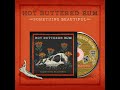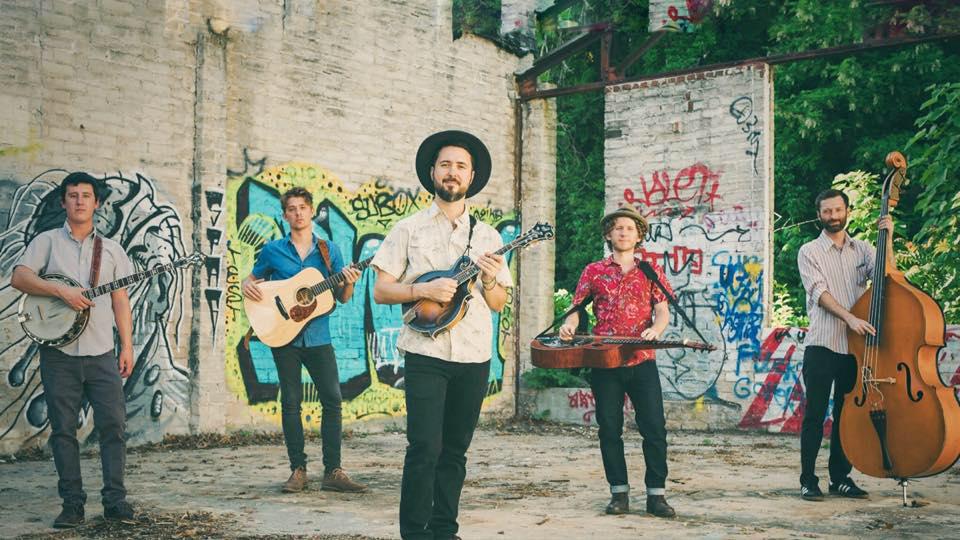
Hot Buttered Rum

Country
Americana/Alt Country
Newgrass
 Viberate Rank: 170212
 Viberate Rank: 170212
 Monthly ListenersFollowers
 Subscribers
 Followers
 Followers
 FansTop Spotify Songs
| Track | 7-Day Streams | |
|---|---|---|
1 | 3.31K | |
2 | 1.67K | |
3 | 1.24K | |
4 | 652 | |
5 | 400 |
Top YouTube Videos| Video | 7-Day Views | |
|---|---|---|
1 | 29 | |
2 | 23 | |
3 | 10 | |
4 | 6 | |
5 | 5 |
Monthly ListenersFeatured in Playlists| Playlist | Followers | |
|---|---|---|
1 | Greenwood Rye & Friends Greenwood Rye | 4.99K |
2 | Plant Care Playlist Thebeardedplantaholic | 3.84K |
3 |  Clegg's Choice Nuggs John Taylor | 3.69K |
4 |  Grateful Dead Covers 🎯 ohiomatt77 | 3.51K |
5 | Bluegrass and Country sambo235 | 2.80K |
Audience| City | Monthly Listeners | |
|---|---|---|
1 | | 732 |
2 | | 439 |
3 | | 357 |
4 | | 295 |
5 | | 264 |
See full performance history, audience data, playlist activity, rankings, comparisons, and more in Viberate music analytics. Start with a free trial, then continue with a paid plan.
Hot Buttered Rum’s Spotify BioBay Area newgrass jam band Hot Buttered Rum have been described as a rock band playing bluegrass instruments (the bandmembers themselves call what they do "high altitude California bluegrass"), and with musical influences ranging from blues, rock, and jazz to Celtic and old-time string band music from the Appalachians, the group could almost be termed bluegrass fusion. The group was formed after Zachary Matthews (mandolin, fiddle) and bassist Bryan Horne's band Oversoul did some unplugged gigs. Matthews and Horne liked the sound and energy of playing acoustic, and after a one-month hiking tour of the Sierras in 1999 with Nat Keefe (guitar) and Erik Yates (banjo, guitar, Dobro, ukulele, flute, clarinet, sax, accordion, piano), the four returned to the Bay Area and formed the Hot Buttered Rum String Band, adding Aaron Redner (fiddle, mandolin) as a fifth member. The group released a live album, Live at the Freight and Salvage, in 2002, followed in 2004 by In These Parts, which was… recorded in Fairfax by engineer Dave Dennison. The group shortened its name to Hot Buttered Rum for 2006's Well-Oiled Machine, which was produced by Mike Marshall and featured guest spots from Peter Rowan and Darol Anger. Live in the Northeast, with tracks drawn from various shows on a 2006 tour, was released in 2007. ~ Steve Leggett, Rovi
Viberate is a music analytics platform built for A&Rs, artist managers, labels, booking agents, marketers, and artists.
It helps music professionals track artist growth, analyze audience data, monitor playlist activity, compare artists, follow song performance, and identify opportunities across the music market.
Public artist pages provide a free preview of selected artist data. Paid plans provide access to deeper analytics, historical data, charts, comparisons, playlist tools, exports, alerts, reports, and additional professional features.
Yes. Public Viberate artist pages provide selected artist analytics and music data for free.
Viberate also offers a 7-day free trial of the full platform. A credit card is required to start the trial. The trial includes access to the complete product so users can test deeper artist analytics, historical views, playlist insights, comparisons, charts, exports, alerts, and reporting features before choosing a paid plan.
Viberate provides artist analytics across streaming, playlists, social media, video, radio airplay, songs, and audience markets.
Users can analyze Spotify performance, Spotify and Apple Music playlists, YouTube activity, TikTok and Instagram growth, radio spins, song performance, audience locations, demographics, rankings, and overall artist momentum.
Artist profiles also connect to music charts, similar artists, and comparison tools, helping users benchmark performance and evaluate artists in context.
Viberate updates key artist and track data daily.
For followed artists and tracks, selected data is refreshed multiple times per day. This helps teams monitor playlist changes, streaming movement, audience growth, releases, and campaign performance with more current data.
Update frequency can vary depending on the metric and data source.
Yes. Viberate lets users compare up to five artists side by side across streaming, social media, audience, and engagement metrics.
Users can compare fanbase growth, audience demographics, locations, Spotify performance, social metrics, and other artist data over selected time periods.
Artist comparison can be used for A&R scouting, benchmarking, booking decisions, campaign planning, and evaluating artists with similar audiences or market positions.