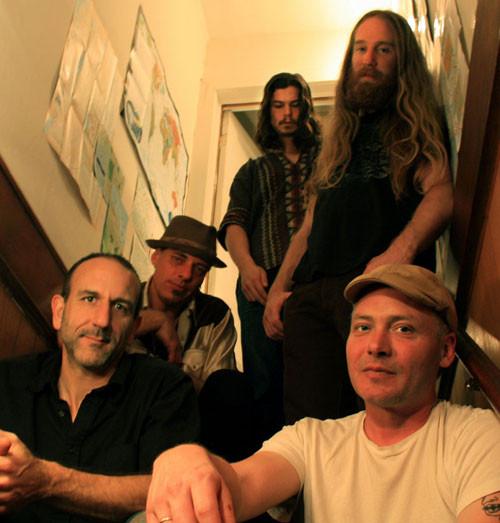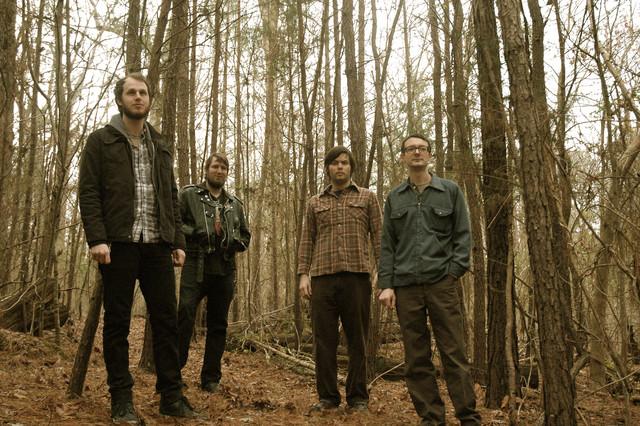
Horseback

Rock
Psychedelic Rock
Drone
 Viberate Rank: 304202
 Viberate Rank: 304202
 Monthly ListenersFollowers
 Subscribers
 Followers
 Followers
 FansTop Spotify Songs
| Track | 7-Day Streams | |
|---|---|---|
1 | 235 | |
2 | 202 | |
3 | 185 | |
4 | 170 | |
5 | 51 |
Top YouTube VideosMonthly ListenersFeatured in Playlists| Playlist | Followers | |
|---|---|---|
1 |  The Sound of Drone Metal The Sounds of Spotify | 4.21K |
2 |  Sludge Metal The Brick | 2.17K |
3 |  Doom | Sludge | Black Metal | Post-Metal | Stoner | Death Metal gaya.kessler | 1.26K |
4 | Post Rock, Gothic, Shoegaze, Slowcore, Dark Ambient, etc. fndktr | 1.23K |
5 |  Psychedelic Doom Metal B DOG | 1.09K |
Audience| City | Monthly Listeners | |
|---|---|---|
1 | | 17 |
2 | | 13 |
3 |  | 13 |
4 |  | 12 |
5 | | 10 |
See full performance history, audience data, playlist activity, rankings, comparisons, and more in Viberate music analytics. Start with a free trial, then continue with a paid plan.
Horseback’s Spotify BioDrawing influence from doom, drone, black metal, and even Americana, Horseback is the post-metal project of Chapel Hill, North Carolina's Jenks Miller. With a sound that owes as much to Neurosis and Earth as it does to Neil Young, Horseback seamlessly blends the plaintiveness of roots music with the weight of metal, exposing a connection between the genres that is both intuitive and innovative. In a short time, Miller has delivered a prolific output of epic works, starting with Impale Golden Horn and followed by The Invisible Mountain (which was later reissued by Relapse) in 2009. Horseback also released the cassette-only Forbidden Planet, which was later bundled together with Impale Golden Horn and reissued as the two-disc set The Gorgon Tongue in 2011. Miller's fourth full-length as Horseback, Half Blood, was released in 2012. In the summer of 2013, Relapse issued a three-disc retrospective of singles, split recordings, live tracks, and other rarities as The Plague of Knowing.… Horseback followed it up with the dark, sprawling five-track album Piedmont Apocrypha in 2014, while under his own name, Miller issued a collaborative set with James Jackson Toth that year, entitled Roads to Ruin on the label. Horseback returned to Relapse in 2016 with the completely self-produced Dead Ringers. ~ Gregory Heaney, Rovi
Viberate is a music analytics platform built for A&Rs, artist managers, labels, booking agents, marketers, and artists.
It helps music professionals track artist growth, analyze audience data, monitor playlist activity, compare artists, follow song performance, and identify opportunities across the music market.
Public artist pages provide a free preview of selected artist data. Paid plans provide access to deeper analytics, historical data, charts, comparisons, playlist tools, exports, alerts, reports, and additional professional features.
Yes. Public Viberate artist pages provide selected artist analytics and music data for free.
Viberate also offers a 7-day free trial of the full platform. A credit card is required to start the trial. The trial includes access to the complete product so users can test deeper artist analytics, historical views, playlist insights, comparisons, charts, exports, alerts, and reporting features before choosing a paid plan.
Viberate provides artist analytics across streaming, playlists, social media, video, radio airplay, songs, and audience markets.
Users can analyze Spotify performance, Spotify and Apple Music playlists, YouTube activity, TikTok and Instagram growth, radio spins, song performance, audience locations, demographics, rankings, and overall artist momentum.
Artist profiles also connect to music charts, similar artists, and comparison tools, helping users benchmark performance and evaluate artists in context.
Viberate updates key artist and track data daily.
For followed artists and tracks, selected data is refreshed multiple times per day. This helps teams monitor playlist changes, streaming movement, audience growth, releases, and campaign performance with more current data.
Update frequency can vary depending on the metric and data source.
Yes. Viberate lets users compare up to five artists side by side across streaming, social media, audience, and engagement metrics.
Users can compare fanbase growth, audience demographics, locations, Spotify performance, social metrics, and other artist data over selected time periods.
Artist comparison can be used for A&R scouting, benchmarking, booking decisions, campaign planning, and evaluating artists with similar audiences or market positions.