Hornet Leg

Rock
Garage Rock
Indie Rock
 Viberate Rank: 458347
 Viberate Rank: 458347
 Monthly ListenersFollowers
 Subscribers
 Followers
 Followers
 FansTop Spotify Songs
| Track | 7-Day Streams | |
|---|---|---|
1 | 371 | |
2 | 165 | |
3 | 159 | |
4 | 83 | |
5 | 73 |
Top YouTube VideosMonthly ListenersFeatured in Playlists| Playlist | Followers | |
|---|---|---|
1 |  Surf rock/psychadelic/jingly jangly Sam Gbr Vy | 8.46K |
2 | space rock & psychedelia Edson Alejandro Adame | 8.05K |
3 |  Surfer Rock Zachary "Sunshine" Woody | 2.88K |
4 |  Tunnel Vision Radio! shoptunnelvision | 2.27K |
5 | Surf Rock, Neo-Psychedelia, Beach Goth Gloria Rudzinski | 2.24K |
Audience| City | Monthly Listeners | |
|---|---|---|
1 | | 105 |
2 | | 87 |
3 | | 63 |
4 | | 45 |
5 | | 43 |
See full performance history, audience data, playlist activity, rankings, comparisons, and more in Viberate music analytics. Start with a free trial, then continue with a paid plan.
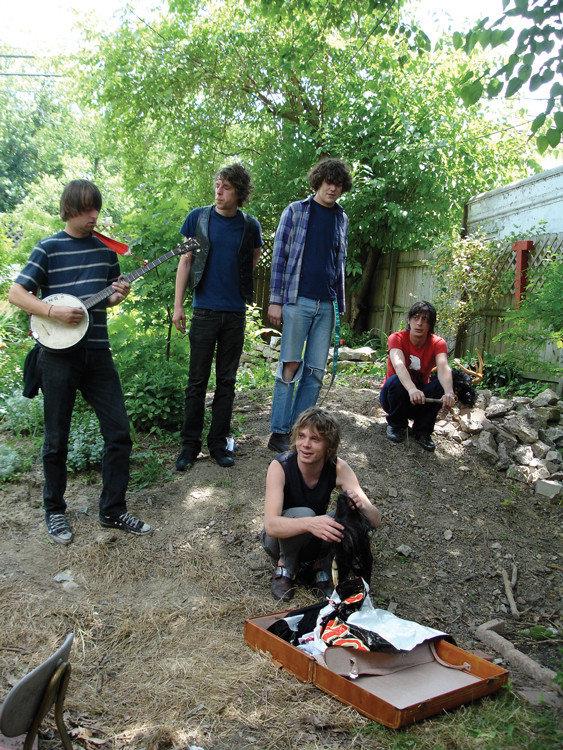
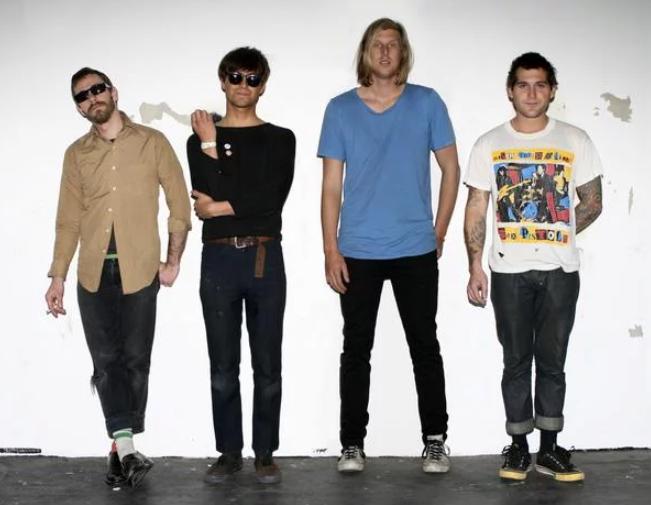
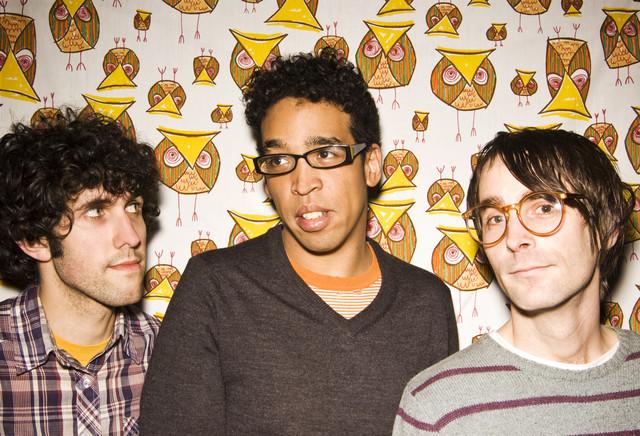
Hornet Leg’s Spotify BioHornet Leg's many incarnations include a four-track solo project, an art-noise duo, and a punk trio, but Chris Sutton is the man behind every version of the band. Sutton, who also played in bands including Dub Narcotic Sound System, C.O.C.O., Spider & the Webs, and Nudity, started recording under the Hornet Leg name in 2003. Sutton envisioned Hornet Leg as a band that could play anywhere, at any time and with any lineup, and the first version featured just Sutton and his four-track. Writing and recording when he wasn't on tour with C.O.C.O. or Dub Narcotic Sound System, Hornet Leg's self-titled debut EP was released on cassette by doLo Recordings in 2004. That year, the project evolved when Sutton was in a van accident, and his friends encouraged him to write songs on his acoustic guitar to track his recovery. Eventually, Sutton connected with drummer Claudia Meza and bassist Joel Brazzel, who took Hornet Leg in a noisy punk direction that culminated in 2008's 7" The Blood Trilogy, the… group's debut effort for K Records. Another lineup switch resulted in Sutton getting support from drummer Robert Comitz and bassist Bob Desaulniers; this incarnation of Hornet Leg recorded the album Ribbon of Fear, which arrived via K in fall 2009. ~ Heather Phares, Rovi
Viberate is a music analytics platform built for A&Rs, artist managers, labels, booking agents, marketers, and artists.
It helps music professionals track artist growth, analyze audience data, monitor playlist activity, compare artists, follow song performance, and identify opportunities across the music market.
Public artist pages provide a free preview of selected artist data. Paid plans provide access to deeper analytics, historical data, charts, comparisons, playlist tools, exports, alerts, reports, and additional professional features.
Yes. Public Viberate artist pages provide selected artist analytics and music data for free.
Viberate also offers a 7-day free trial of the full platform. A credit card is required to start the trial. The trial includes access to the complete product so users can test deeper artist analytics, historical views, playlist insights, comparisons, charts, exports, alerts, and reporting features before choosing a paid plan.
Viberate provides artist analytics across streaming, playlists, social media, video, radio airplay, songs, and audience markets.
Users can analyze Spotify performance, Spotify and Apple Music playlists, YouTube activity, TikTok and Instagram growth, radio spins, song performance, audience locations, demographics, rankings, and overall artist momentum.
Artist profiles also connect to music charts, similar artists, and comparison tools, helping users benchmark performance and evaluate artists in context.
Viberate updates key artist and track data daily.
For followed artists and tracks, selected data is refreshed multiple times per day. This helps teams monitor playlist changes, streaming movement, audience growth, releases, and campaign performance with more current data.
Update frequency can vary depending on the metric and data source.
Yes. Viberate lets users compare up to five artists side by side across streaming, social media, audience, and engagement metrics.
Users can compare fanbase growth, audience demographics, locations, Spotify performance, social metrics, and other artist data over selected time periods.
Artist comparison can be used for A&R scouting, benchmarking, booking decisions, campaign planning, and evaluating artists with similar audiences or market positions.