Horehound

Metal
Doom/Sludge Metal
 Viberate Rank: 542980
 Viberate Rank: 542980
 Monthly ListenersFollowers
 Subscribers
 Followers
 Followers
 FansTop Spotify Songs
| Track | 7-Day Streams | |
|---|---|---|
1 | 7 | |
2 | 7 | |
3 | 4 | |
4 | 4 | |
5 | 4 |
Top YouTube VideosMonthly ListenersFeatured in Playlists| Playlist | Followers | |
|---|---|---|
1 |  Expansive Doom F I L T H Y W I T C H | 9.71K |
2 |  Stoner & Doom Women Voices Orane | 2.06K |
3 |  SLOWLY selected-by-guerino | 1.39K |
Audience| City | Monthly Listeners | |
|---|---|---|
1 | | 5 |
2 | | 3 |
3 | | 3 |
4 |  | 3 |
See full performance history, audience data, playlist activity, rankings, comparisons, and more in Viberate music analytics. Start with a free trial, then continue with a paid plan.
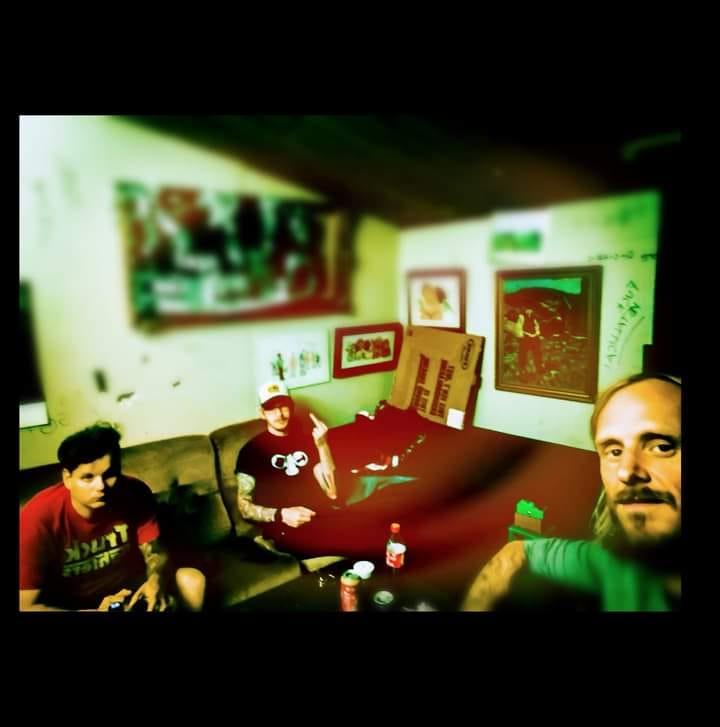
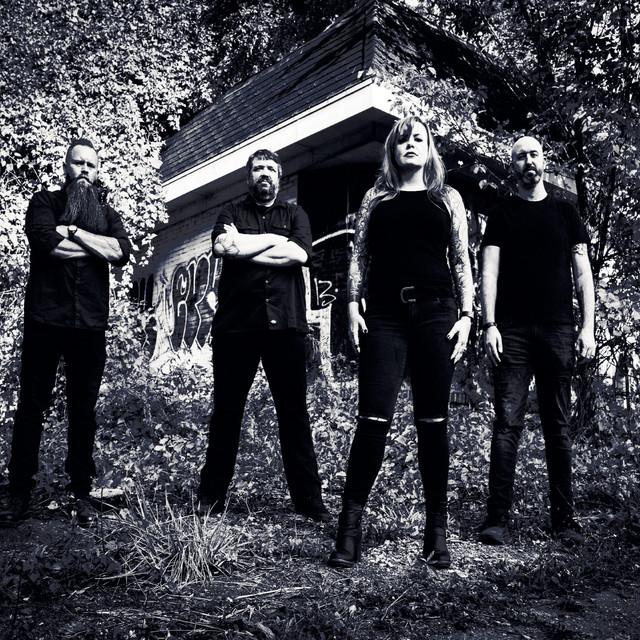
Horehound’s Spotify BioHorehound had become a Pittsburgh, PA hometown heavy favorite quite soon after forming in early 2015, performing with both local legends and well-known touring acts. Within one year of forming, Horehound released their self-titled debut album and immediately coiled around the heavy underground music world, appearing for two consecutive months on the Doom Charts and cemented their standing as more than just local favorites.
Fans have described Horehound as, “fucking heavy, doomy, catchy, and downright amazing.” Horehound would not disagree, citing their inspirations as COC, (the) Melvins, Pallbearer, YOB, and of course Black Sabbath. The overall sound is slowly melodic with a heavier sludge inspiration dwelling in the grinding guitar, haze-laden bass, bruising drums, and demanding magnetic vocals.
Horehound has since then released a second LP, “Holocene” (2018), a two-song LP called “Weight”(2019) and are preparing to record their 3rd full length. They’ve directly supported Truckfighters,… The Obsessed, The Skull, Conan, Acid Witch, Mothership, Ufomammut, Monolord, Mos Generator, Weedeater, Eyehategod, Kadavar, and associate themselves with regional acts such as Rebreather, Enhailer, Horesburner, and Brimstone Coven.
Festival Performances:
Doomed & Stoned 2016
Maryland Doom 2017
New England Stoner & Doom 2018
Descendants of Crom 2018
Maryland Doom 2019
MORE TBA SOON!
Record Labels:
Blackseed Records, Hellmistress Records, Doom Stew Records, DHU Records
Viberate is a music analytics platform built for A&Rs, artist managers, labels, booking agents, marketers, and artists.
It helps music professionals track artist growth, analyze audience data, monitor playlist activity, compare artists, follow song performance, and identify opportunities across the music market.
Public artist pages provide a free preview of selected artist data. Paid plans provide access to deeper analytics, historical data, charts, comparisons, playlist tools, exports, alerts, reports, and additional professional features.
Yes. Public Viberate artist pages provide selected artist analytics and music data for free.
Viberate also offers a 7-day free trial of the full platform. A credit card is required to start the trial. The trial includes access to the complete product so users can test deeper artist analytics, historical views, playlist insights, comparisons, charts, exports, alerts, and reporting features before choosing a paid plan.
Viberate provides artist analytics across streaming, playlists, social media, video, radio airplay, songs, and audience markets.
Users can analyze Spotify performance, Spotify and Apple Music playlists, YouTube activity, TikTok and Instagram growth, radio spins, song performance, audience locations, demographics, rankings, and overall artist momentum.
Artist profiles also connect to music charts, similar artists, and comparison tools, helping users benchmark performance and evaluate artists in context.
Viberate updates key artist and track data daily.
For followed artists and tracks, selected data is refreshed multiple times per day. This helps teams monitor playlist changes, streaming movement, audience growth, releases, and campaign performance with more current data.
Update frequency can vary depending on the metric and data source.
Yes. Viberate lets users compare up to five artists side by side across streaming, social media, audience, and engagement metrics.
Users can compare fanbase growth, audience demographics, locations, Spotify performance, social metrics, and other artist data over selected time periods.
Artist comparison can be used for A&R scouting, benchmarking, booking decisions, campaign planning, and evaluating artists with similar audiences or market positions.