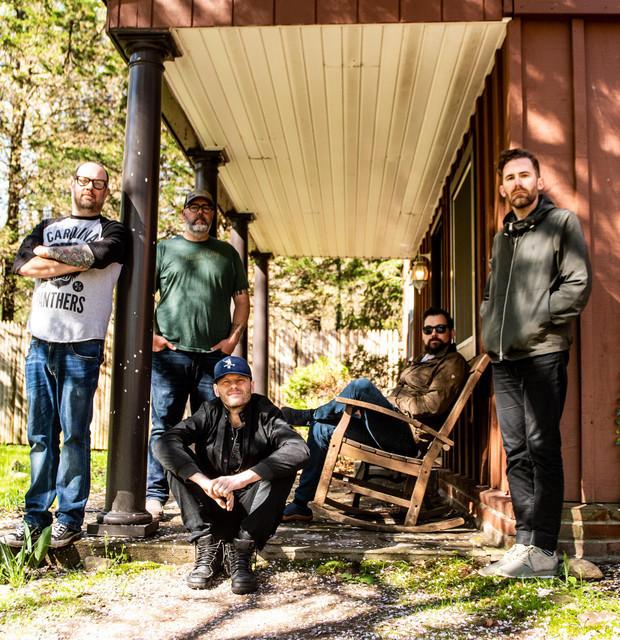
Hopesfall

Punk
Punk Rock
Post Hardcore
 Viberate Rank: 130136
 Viberate Rank: 130136
 Monthly ListenersFollowers
 Subscribers
 Followers
 Followers
 FansTop Spotify Songs
| Track | 7-Day Streams | |
|---|---|---|
1 | 7.11K | |
2 | 5.34K | |
3 | 3.24K | |
4 | 2.31K | |
5 | 2.25K |
Top YouTube VideosMonthly ListenersFeatured in Playlists| Playlist | Followers | |
|---|---|---|
1 |  Metalcore Classics Spotify | 582.15K |
2 |  Emo’s Not Dead Matt Cutshall | 115.81K |
3 | sad metal songs. Sebastian Finta | 78.46K |
4 |  Heavy metal purgatory due to METAL | 15.58K |
5 | Early-Mid 2000s Post-hardcore Spencer Noble | 9.90K |
Audience| City | Monthly Listeners | |
|---|---|---|
1 | | 1.31K |
2 | | 999 |
3 | | 971 |
4 | | 885 |
5 | | 866 |
See full performance history, audience data, playlist activity, rankings, comparisons, and more in Viberate music analytics. Start with a free trial, then continue with a paid plan.
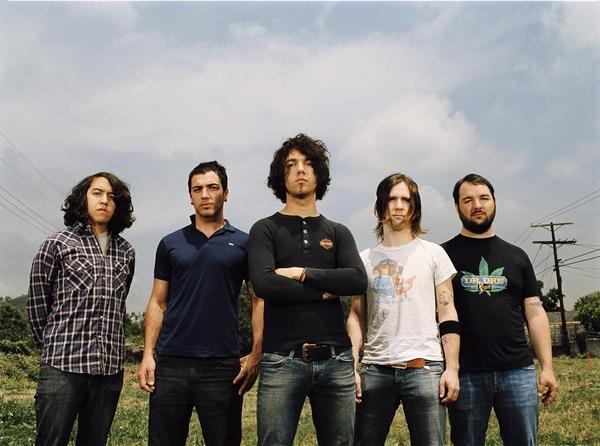
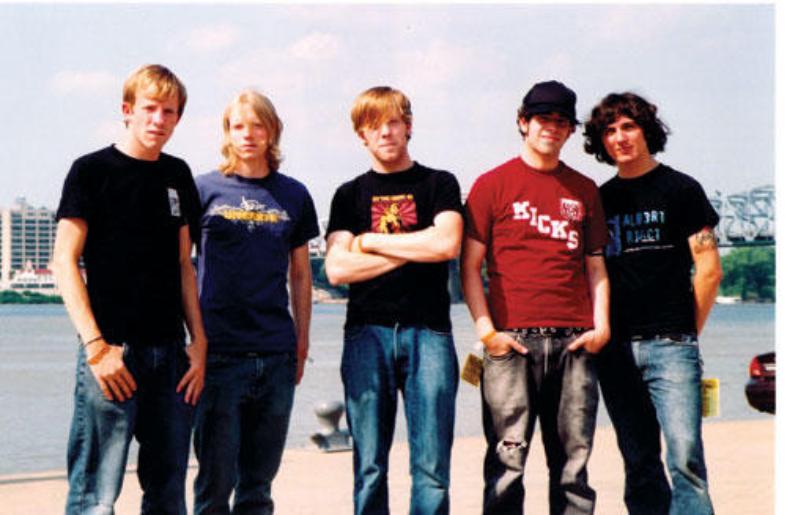
Hopesfall’s Spotify BioHopesfall formed in 1998. Over the next decade, the band would undergo numerous line-up changes but always drew from the same core group of lifelong friends to source new members. The bond between the group was so strong that even after disbanding in 2008, guitarists Joshua Brigham and Dustin Nadler and drummer Adam Morgan continued to get together on Wednesday nights to work on new music despite having no plans to release it. It was during these jam sessions that the music that would eventually find its way onto Arbiter first began to take shape.
In 2012, Brigham and Morgan visited frontman, Jay Forrest, in Chicago culminating in the decision that Forrest would add vocals to the demos. The lineup for the band’s reformation would then be cemented in August of 2015 when bassist, Chad Waldrup, joined the group to see Hum and Failure. Still, the idea of putting out new music as Hopesfall wasn’t part of the plan. With the lineup complete, the band brought their demos to another trusted… collaborator - producer Mike Watts (Glassjaw, Dillinger Escape Plan, O’Brother) whom they had worked with on two previous releases, Magnetic North and A Types. It was Watts who brought the demos to Dan Sandshaw and Will Putney of Graphic Nature / Equal Vision Records where the idea of releasing it as a Hopesfall record was finally discussed. A testament to the band’s hard-earned legacy, the famed label immediately jumped on the opportunity to release the project.
Viberate is a music analytics platform built for A&Rs, artist managers, labels, booking agents, marketers, and artists.
It helps music professionals track artist growth, analyze audience data, monitor playlist activity, compare artists, follow song performance, and identify opportunities across the music market.
Public artist pages provide a free preview of selected artist data. Paid plans provide access to deeper analytics, historical data, charts, comparisons, playlist tools, exports, alerts, reports, and additional professional features.
Yes. Public Viberate artist pages provide selected artist analytics and music data for free.
Viberate also offers a 7-day free trial of the full platform. A credit card is required to start the trial. The trial includes access to the complete product so users can test deeper artist analytics, historical views, playlist insights, comparisons, charts, exports, alerts, and reporting features before choosing a paid plan.
Viberate provides artist analytics across streaming, playlists, social media, video, radio airplay, songs, and audience markets.
Users can analyze Spotify performance, Spotify and Apple Music playlists, YouTube activity, TikTok and Instagram growth, radio spins, song performance, audience locations, demographics, rankings, and overall artist momentum.
Artist profiles also connect to music charts, similar artists, and comparison tools, helping users benchmark performance and evaluate artists in context.
Viberate updates key artist and track data daily.
For followed artists and tracks, selected data is refreshed multiple times per day. This helps teams monitor playlist changes, streaming movement, audience growth, releases, and campaign performance with more current data.
Update frequency can vary depending on the metric and data source.
Yes. Viberate lets users compare up to five artists side by side across streaming, social media, audience, and engagement metrics.
Users can compare fanbase growth, audience demographics, locations, Spotify performance, social metrics, and other artist data over selected time periods.
Artist comparison can be used for A&R scouting, benchmarking, booking decisions, campaign planning, and evaluating artists with similar audiences or market positions.