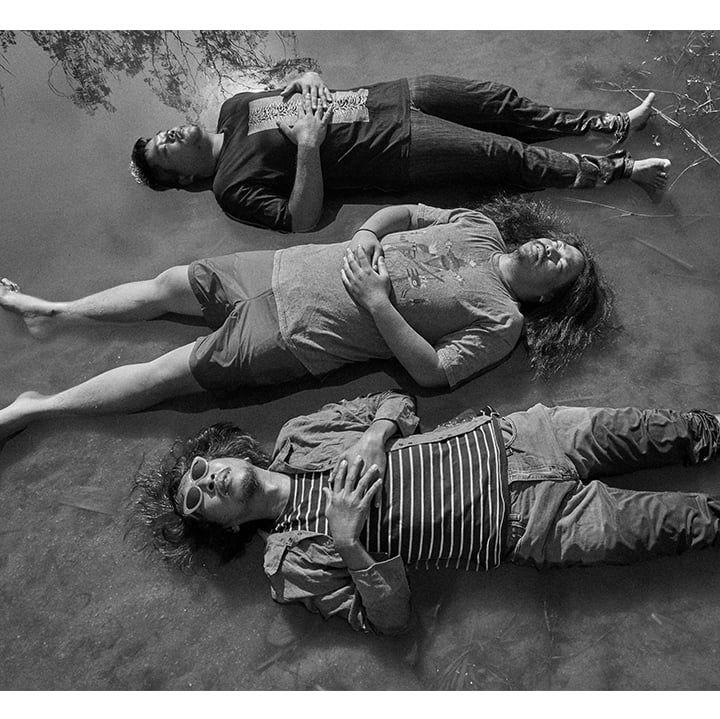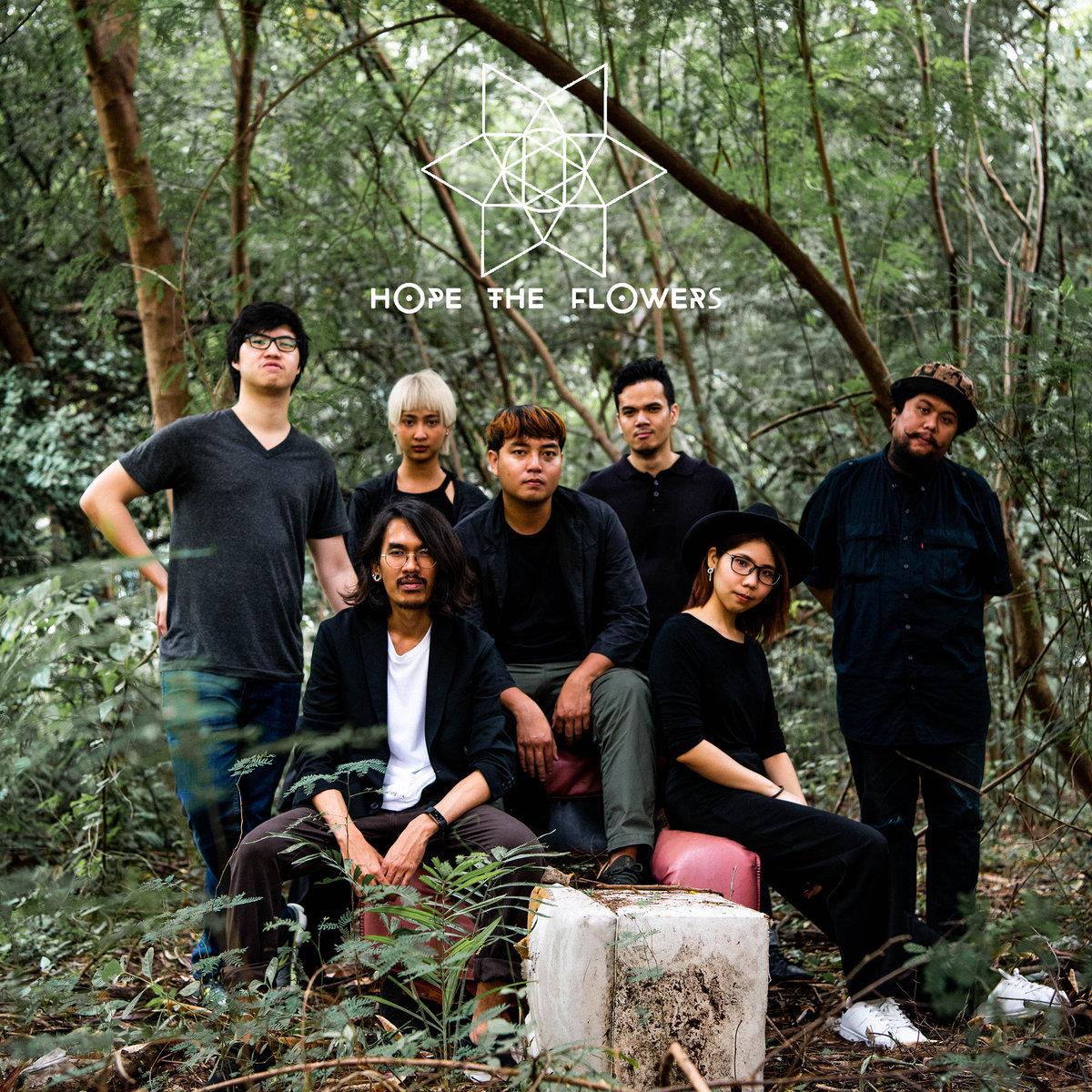
Hope the Flowers

Rock
Alternative Rock
Post Rock
 Viberate Rank: 281884
 Viberate Rank: 281884
 Monthly ListenersFollowers
 Subscribers
 Followers
 Followers
 FansTop Spotify Songs
| Track | 7-Day Streams | |
|---|---|---|
1 | 44 | |
2 | 44 | |
3 | 35 | |
4 | 34 | |
5 | 27 |
Top YouTube VideosMonthly ListenersFeatured in Playlists| Playlist | Followers | |
|---|---|---|
1 |  Post-Rock Jorge Urosa Alonso | 2.96K |
2 |  Epic Instrumental Rock Fixed Point Music | 1.52K |
3 |  Post-rock’s 2017 Recommended Tracks postrock.instrumental | 1.41K |
4 |  Post-Rock Thailand Kouprey 19 | 1.38K |
Audience| City | Monthly Listeners | |
|---|---|---|
1 | | 225 |
2 |  | 24 |
3 | | 21 |
4 | | 13 |
5 | | 12 |
See full performance history, audience data, playlist activity, rankings, comparisons, and more in Viberate music analytics. Start with a free trial, then continue with a paid plan.
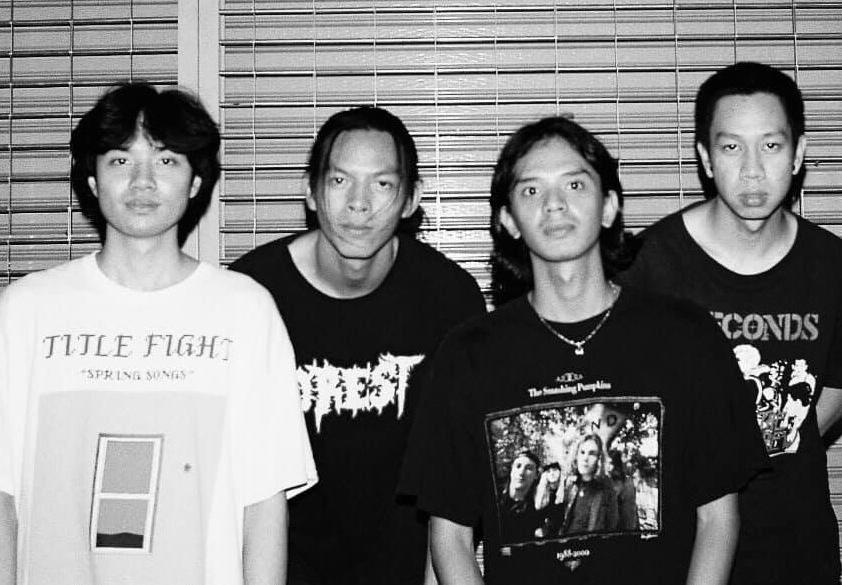
Hope the Flowers’ Spotify Bio'Hope the Flowers' was first inspired by the grace of a falling snow and a blooming sakura , as usually seen in several Asian movies, which led to an idea of making a music that holds the Asian-Japanese vibe and atmosphere. A powerful rhythm combined with a sweet-sounding melody is what mainly defines the band's distinctive sound.
The band was initially plotted off as an instrumental rock band, but as the band's fondness in post-rock grows, both were later combined to accomplish a more unique sound.
The main idea was to provide the open spaces for audiences to freely percept the message we were trying to convey. As upon the differences in perspective and experience a person has been through, a single story could hold countless interpretations. We believe it is more fun that way.
We truly wish everyone to be open to something you might not, right now; be so familiar. Maybe just once, trying to read our musical message we have been trying to tell makes it truly worths our effort.
We used to… have an old bad day, surrounded by darkness and despair. But 'Hope the Flower' is what brought our perished soul to bloom, and once again remind us how colorful, sweet and promising a single life could become.
希望之花 Hope The Flowers 是來自泰國的器樂後搖樂隊,最初由 Hon - Narongrit Ittipolnavakul 發起,成立至今 10 週年。我們相信音樂能為人帶來希望,即使是那些對生活感到絕望的人。就像花一樣,無論它有多美,最終都會凋謝。然而,唯有希望,會使它重新喚起生機。
Hope The Flowers 的音樂風格融合了強有力的節奏和觸動人心的旋律,隨著歌曲行進彷彿觀看一部充滿情感的敘事型
Viberate is a music analytics platform built for A&Rs, artist managers, labels, booking agents, marketers, and artists.
It helps music professionals track artist growth, analyze audience data, monitor playlist activity, compare artists, follow song performance, and identify opportunities across the music market.
Public artist pages provide a free preview of selected artist data. Paid plans provide access to deeper analytics, historical data, charts, comparisons, playlist tools, exports, alerts, reports, and additional professional features.
Yes. Public Viberate artist pages provide selected artist analytics and music data for free.
Viberate also offers a 7-day free trial of the full platform. A credit card is required to start the trial. The trial includes access to the complete product so users can test deeper artist analytics, historical views, playlist insights, comparisons, charts, exports, alerts, and reporting features before choosing a paid plan.
Viberate provides artist analytics across streaming, playlists, social media, video, radio airplay, songs, and audience markets.
Users can analyze Spotify performance, Spotify and Apple Music playlists, YouTube activity, TikTok and Instagram growth, radio spins, song performance, audience locations, demographics, rankings, and overall artist momentum.
Artist profiles also connect to music charts, similar artists, and comparison tools, helping users benchmark performance and evaluate artists in context.
Viberate updates key artist and track data daily.
For followed artists and tracks, selected data is refreshed multiple times per day. This helps teams monitor playlist changes, streaming movement, audience growth, releases, and campaign performance with more current data.
Update frequency can vary depending on the metric and data source.
Yes. Viberate lets users compare up to five artists side by side across streaming, social media, audience, and engagement metrics.
Users can compare fanbase growth, audience demographics, locations, Spotify performance, social metrics, and other artist data over selected time periods.
Artist comparison can be used for A&R scouting, benchmarking, booking decisions, campaign planning, and evaluating artists with similar audiences or market positions.