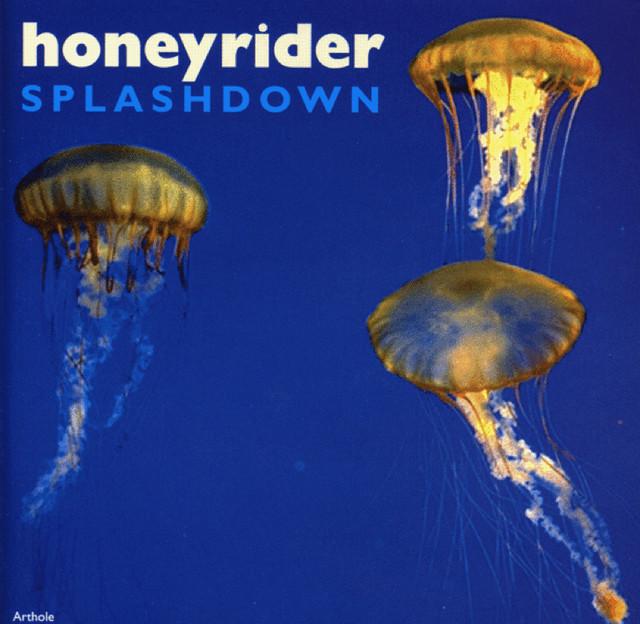
Honeyrider

Rock
Power Pop
 Viberate Rank: 831290
 Viberate Rank: 831290
 Monthly ListenersFollowers
 Subscribers
 Followers
 Followers
 FansTop Spotify SongsTop YouTube VideosMonthly ListenersFeatured in Playlists
| Playlist | Followers | |
|---|---|---|
1 | ABBA remixes Tricia Sylvia | 9.37K |
2 | ABBA remixes, but only the good ones gravylicious | 4.81K |
3 |  Alexandra | 3.83K |
4 |  EXCERCISES 2026 rubenrangelmota | 3.29K |
5 | 70's 80's 90's Remixes 800 tracks Collection. Jose Antonio Gonzalez Ortiz | 1.35K |
Audience| City | Monthly Listeners | |
|---|---|---|
1 |  | 20 |
2 | | 16 |
3 | | 15 |
4 | | 11 |
5 |  | 11 |
See full performance history, audience data, playlist activity, rankings, comparisons, and more in Viberate music analytics. Start with a free trial, then continue with a paid plan.
Honeyrider’s Spotify BioHoneyrider -- the name an appropriation of Ursula Andress' bikini-clad beachcombing character from the 1962 James Bond motion picture Dr No -- is essentially the power pop alias of multi-instrumentalist, vocalist, and songwriter Gary Strickland. In 1996, Strickland recorded a one-off single under the name for a Candy Floss single, "Drugstore Shoot-Out," which featured a guest appearance by Lisah from San Diego-based indie/emo rockers Red Dye #5 on vocals. Strickland continued to use the name, recording several Honeyrider singles for the legendary Damaged Goods label. Some of these were collected, along with new material, and released as All Systems Go!, the group's first full-length, in 1998. That same year, Strickland left the San Diego area for a job at a record distribution company in Germany. He took time off to record songs in England and ended up staying there, moving to the northern part of the country. Strickland eventually returned to the U.S. (returning to England… periodically to record new songs) and began splitting his time between California and the Tampa Bay area. Damaged Goods issued Honeyrider's follow-up, Splashdown, in 2000, with Robin Hill (drums), Petrinka Drasovic (rhythm guitar), and producer/engineer Paul Sampson on bass. In 2002, Strickland signed with Dionysus Records' Orange Sky imprint, which will release the long-awaited third Honeyrider album. ~ Bryan Thomas, Rovi
Viberate is a music analytics platform built for A&Rs, artist managers, labels, booking agents, marketers, and artists.
It helps music professionals track artist growth, analyze audience data, monitor playlist activity, compare artists, follow song performance, and identify opportunities across the music market.
Public artist pages provide a free preview of selected artist data. Paid plans provide access to deeper analytics, historical data, charts, comparisons, playlist tools, exports, alerts, reports, and additional professional features.
Yes. Public Viberate artist pages provide selected artist analytics and music data for free.
Viberate also offers a 7-day free trial of the full platform. A credit card is required to start the trial. The trial includes access to the complete product so users can test deeper artist analytics, historical views, playlist insights, comparisons, charts, exports, alerts, and reporting features before choosing a paid plan.
Viberate provides artist analytics across streaming, playlists, social media, video, radio airplay, songs, and audience markets.
Users can analyze Spotify performance, Spotify and Apple Music playlists, YouTube activity, TikTok and Instagram growth, radio spins, song performance, audience locations, demographics, rankings, and overall artist momentum.
Artist profiles also connect to music charts, similar artists, and comparison tools, helping users benchmark performance and evaluate artists in context.
Viberate updates key artist and track data daily.
For followed artists and tracks, selected data is refreshed multiple times per day. This helps teams monitor playlist changes, streaming movement, audience growth, releases, and campaign performance with more current data.
Update frequency can vary depending on the metric and data source.
Yes. Viberate lets users compare up to five artists side by side across streaming, social media, audience, and engagement metrics.
Users can compare fanbase growth, audience demographics, locations, Spotify performance, social metrics, and other artist data over selected time periods.
Artist comparison can be used for A&R scouting, benchmarking, booking decisions, campaign planning, and evaluating artists with similar audiences or market positions.