Holy Sons

Pop
Indie Pop
Psychedelic Rock
Other Electronic Music
 Viberate Rank: 256247
 Viberate Rank: 256247
 Monthly ListenersFollowers
 Subscribers
 Followers
 Followers
 FansTop Spotify Songs
| Track | 7-Day Streams | |
|---|---|---|
1 | 278 | |
2 | 102 | |
3 | 80 | |
4 | 77 | |
5 | 62 |
Top YouTube VideosMonthly ListenersFeatured in Playlists| Playlist | Followers | |
|---|---|---|
1 |  NPR All Songs Considered - The Bob Boilen years (unofficial) Fri Tsch | 30.02K |
2 |  Night Vale Weather firaro | 8.54K |
3 |  Duyster (all tracks ever played) Wike | 8.15K |
4 |  The Weather - Welcome to Nightvale Salvador Ruelas | 7.36K |
5 |  Off Your Face anton newcombe | 5.86K |
Audience| City | Monthly Listeners | |
|---|---|---|
1 | | 50 |
2 | | 45 |
3 | | 39 |
4 | | 37 |
5 | | 36 |
See full performance history, audience data, playlist activity, rankings, comparisons, and more in Viberate music analytics. Start with a free trial, then continue with a paid plan.
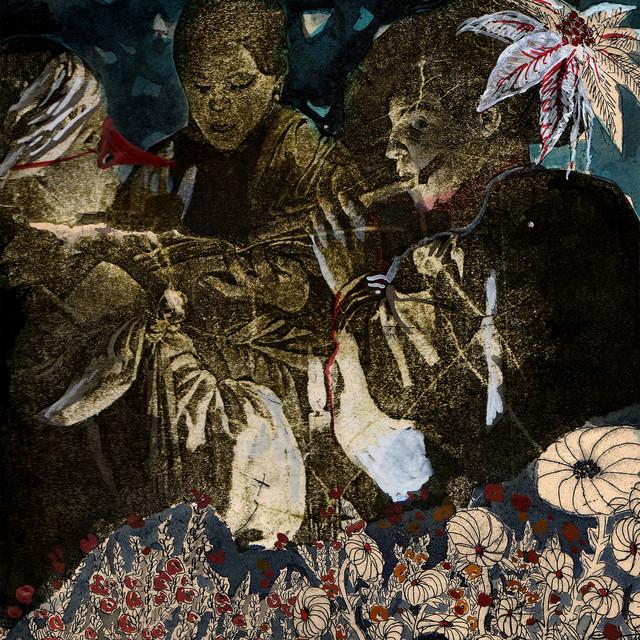
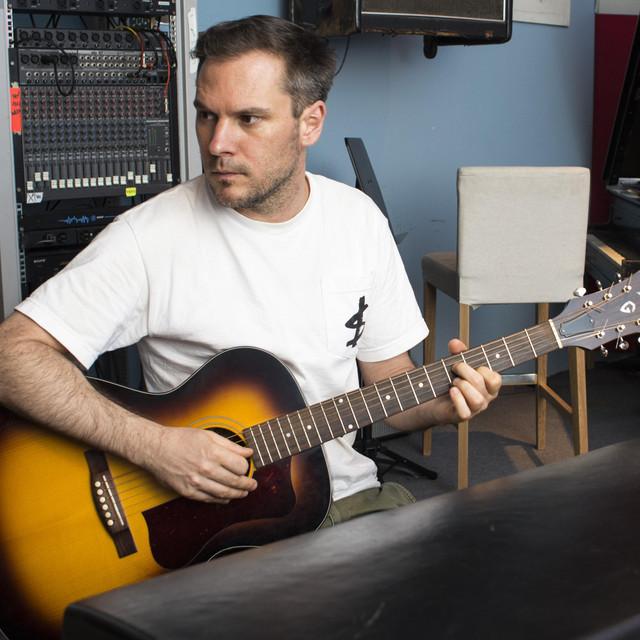
Holy Sons’ Spotify BioThe long-running home-recording project of Om and Grails member Emil Amos, Holy Sons emerged in the late '90s with a sound steeped in lo-fi psychedelia and avant-garde folk. A multi-instrumentalist and prolific songwriter, Amos' output has remained steady throughout the decades; his albums appear almost yearly, marked by highlights like Staying True to the Ascetic Roots (2002), Drifter's Sympathy (2009), and In the Garden (2016).
Emil Amos started his solo project Holy Sons around 1992 after the dissolution of what would just be one early entry in a long line of bands. Holy Sons found Amos turning to solo home recording, laying down hundreds of songs and sketches on the four-track as a type of personal therapy more than anything intended for public listening. Relocating from North Carolina to Portland, Oregon in 1999, Amos was quickly immersed in the local music scene, helping to form the heavy instrumental act Grails in 2000. Holy Sons' first release surfaced not long after in the form… of Lost Decade, a collection of tunes put to tape between 1994 and 1999. Albums Staying True to the Ascetic Roots and Enter the Uninhabitable followed at an annual rate, both tending toward a more full-band feel than the decidedly lo-fi earlier recordings. I Want to Live a Peaceful Life followed in 2003, officially taking the recording quality to higher ground. Grails toured Europe in 2004, and Amos opened many of the shows as Holy Sons. Along with Grails and Holy Sons, Amos became increasingly more active as a hired gun, filling in as part of pickup bands or one-off gigs with everyone from Daniel Johnston to Jandek. He also became involved with Om and would eventually form the more production-minded electronic project Lilacs & Champagne shortly before a relocation to Brooklyn in the early 2010s. All the while, Holy Sons' output was steady, with new albums or collections of older recordings coming every few years on various labels. In 2014, Thrill Jockey released The Fact Facer, a return to the project's murky roots. Amos went so far as to use backup musicians (Brain Markham and Adam Bulgasem of Dommengang) to play the songs in both Portland and Brooklyn, so Holy Sons could assemble in a bicoastal fashion whenever the occasion called for it. The follow-up album, Fall of Man, was recorded in both places with co-producers Brandon Eggleston, Al Carlson, and Jeff Saltzman, and released by Thrill Jockey in the late summer of 2015. In 2016, Holy Sons returned with '70s pop/rock-influenced In the Garden. Produced by John Agnello (Sonic Youth, Dinosaur Jr., Buffalo Tom), the album included the single "It's My Feeling." He returned two years later with Lost Decade III, followed in 2020 by Raw and Disfigured. ~ Fred Thomas, Rovi
Viberate is a music analytics platform built for A&Rs, artist managers, labels, booking agents, marketers, and artists.
It helps music professionals track artist growth, analyze audience data, monitor playlist activity, compare artists, follow song performance, and identify opportunities across the music market.
Public artist pages provide a free preview of selected artist data. Paid plans provide access to deeper analytics, historical data, charts, comparisons, playlist tools, exports, alerts, reports, and additional professional features.
Yes. Public Viberate artist pages provide selected artist analytics and music data for free.
Viberate also offers a 7-day free trial of the full platform. A credit card is required to start the trial. The trial includes access to the complete product so users can test deeper artist analytics, historical views, playlist insights, comparisons, charts, exports, alerts, and reporting features before choosing a paid plan.
Viberate provides artist analytics across streaming, playlists, social media, video, radio airplay, songs, and audience markets.
Users can analyze Spotify performance, Spotify and Apple Music playlists, YouTube activity, TikTok and Instagram growth, radio spins, song performance, audience locations, demographics, rankings, and overall artist momentum.
Artist profiles also connect to music charts, similar artists, and comparison tools, helping users benchmark performance and evaluate artists in context.
Viberate updates key artist and track data daily.
For followed artists and tracks, selected data is refreshed multiple times per day. This helps teams monitor playlist changes, streaming movement, audience growth, releases, and campaign performance with more current data.
Update frequency can vary depending on the metric and data source.
Yes. Viberate lets users compare up to five artists side by side across streaming, social media, audience, and engagement metrics.
Users can compare fanbase growth, audience demographics, locations, Spotify performance, social metrics, and other artist data over selected time periods.
Artist comparison can be used for A&R scouting, benchmarking, booking decisions, campaign planning, and evaluating artists with similar audiences or market positions.