Holy Ghost!

Electronic
Dance
Disco
 Viberate Rank: 60719
 Viberate Rank: 60719
 Monthly ListenersFollowers
 Subscribers
 Followers
 Followers
 FansTop Spotify Songs
| Track | 7-Day Streams | |
|---|---|---|
1 | 19.55K | |
2 | 13.36K | |
3 | 8.70K | |
4 | 6.82K | |
5 | 6.40K |
Top YouTube VideosMonthly ListenersFeatured in Playlists| Playlist | Followers | |
|---|---|---|
1 |  Songs to do CPR to nyphospital | 144.41K |
2 |  Friday Beers Tasty Licks 👅 Friday Beers | 103.47K |
3 |  Bloghouse Spotify | 81.92K |
4 | While You Work (@whileyouwork) Eli Feghali | 81.75K |
5 |  🧳 OUTLIER PLAYLIST Thiago Finch | 66.78K |
Audience| City | Monthly Listeners | |
|---|---|---|
1 |  | 3.95K |
2 | | 3.15K |
3 | | 2.73K |
4 | | 2.33K |
5 |  | 2.13K |
See full performance history, audience data, playlist activity, rankings, comparisons, and more in Viberate music analytics. Start with a free trial, then continue with a paid plan.
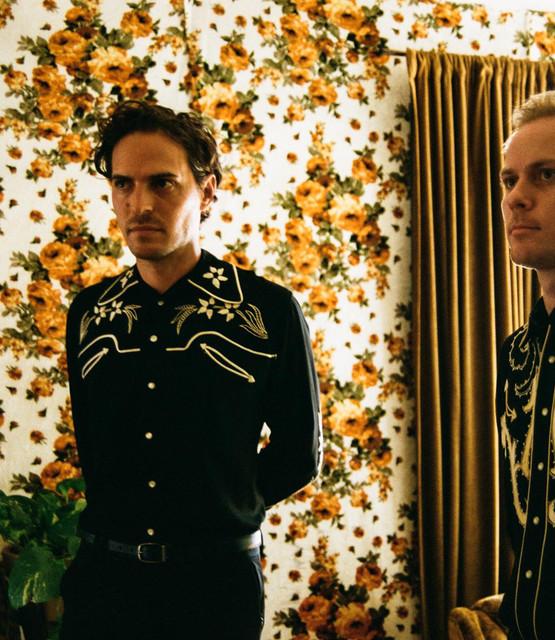
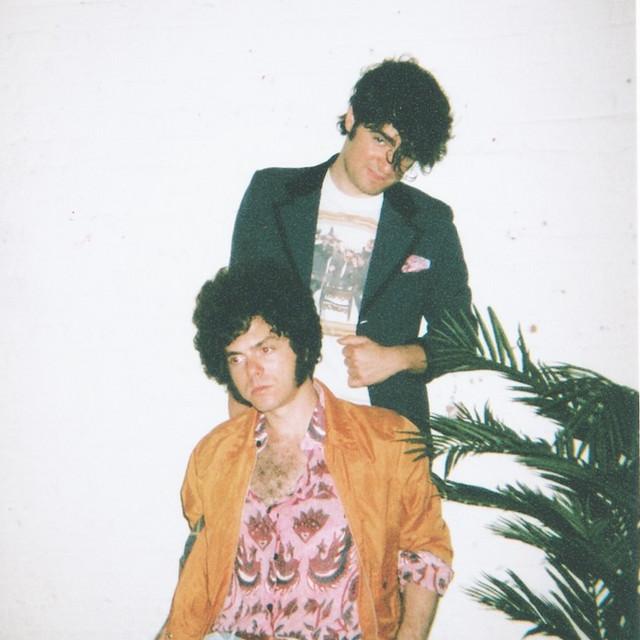
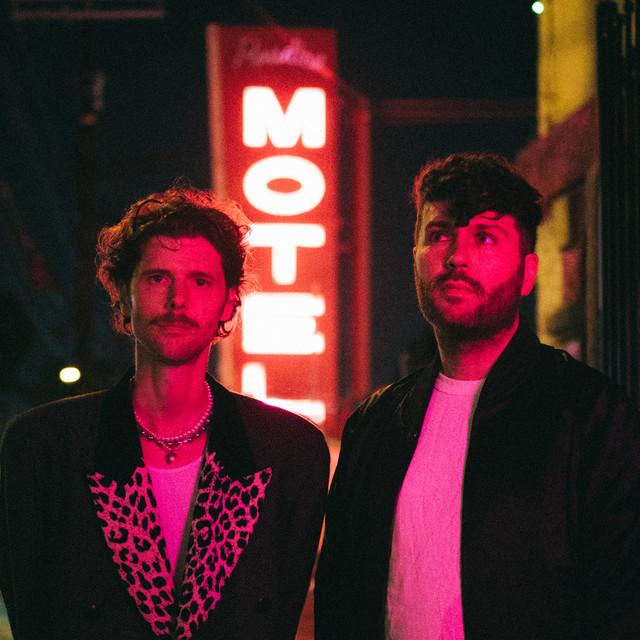
Holy Ghost!’s Spotify BioAfter making hip-hop with Automato, New York City natives Alex Frankel and Nick Millhiser turned to electronic post-disco and synth pop sounds with Holy Ghost!, supported by the DFA label. From 2007 through 2016, the multi-instrumentalist duo released seven singles and two full-lengths for DFA, namely the part-compilation Holy Ghost! (2007) and Dynamics (2013), and never shied away from making their early-'80s club inspirations known, whether conveyed through an homage to New Order's video for "Confusion" or a cover of Ministry's "I Wanted to Tell Her." Since their lengthy period with DFA, Frankel and Millhiser have helped reactivate the classic N.Y.C. disco label West End Records with their third album, Work (2019).
Friends since attending elementary school on the Upper West Side of Manhattan, Alex Frankel and Nick Millhiser were members of Automato, a rap group whose last releases, including a self-titled album released in 2003, were produced by the DFA's James Murphy and Tim… Goldsworthy. After Automato dissolved, Murphy and Goldsworthy encouraged Frankel and Millhiser to continue pushing toward dance music. Push they did. Multi-instrumentalists Frankel and Millhiser co-produced the warm and melodic "Hold On" with Murphy and Goldsworthy -- settling on the Bar-Kays-referencing alias Holy Ghost! just before the pressing of the 12" -- and issued it on the DFA label in 2007. Second single "I Will Come Back," a joint release from DFA and Mountain Dew's Green Label Sound, didn’t come out until 2009 but made an impact with its video, a remake of the clip for New Order's "Confusion," a snapshot of New York's club scene (with producer Arthur Baker reprising his role from the original). The four-track Static on the Wire EP followed in 2010 and continued to display the duo's uncanny ability to evoke the colorful, layered sound of early- to mid-'80s club music. A self-titled album in 2011 included some of their previously released songs, as well as a guest appearance from Michael McDonald on the closing "Some Children."
By then, Holy Ghost! had also become one of the more prolific remix teams. They had reworked -- in some cases technically covered -- tracks by MGMT, Moby, Cut Copy, Phoenix, the Juan MacLean, and James Murphy's LCD Soundsystem. Additionally, for Green Label Sound, they updated Ministry's "I Wanted to Tell Her" with vocals from fellow DFA figures Nancy Whang and Juan Maclean. Whang and Kelley Polar were among several contributors to Holy Ghost!'s comparatively band-like second album, Dynamics, released on DFA in 2013. Apart from the 2016 EP Crime Cutz, Frankel and Millhiser kept Holy Ghost! on ice for a few years, and resumed on the reactivated legendary disco label West End with Anxious, a four-track EP featuring the title track, a mix by disco innovator Tom Moulton, and Frankel and Millhiser's own remix of "Spirit of Sunshine," the Chuck Davis Orchestra's 1977 West End A-side. The EP was released in 2018, just ahead of the documentary Chef Flynn, for which the duo provided the score. Work, their third LP, arrived on West End the next year. ~ Andy Kellman, Rovi
Viberate is a music analytics platform built for A&Rs, artist managers, labels, booking agents, marketers, and artists.
It helps music professionals track artist growth, analyze audience data, monitor playlist activity, compare artists, follow song performance, and identify opportunities across the music market.
Public artist pages provide a free preview of selected artist data. Paid plans provide access to deeper analytics, historical data, charts, comparisons, playlist tools, exports, alerts, reports, and additional professional features.
Yes. Public Viberate artist pages provide selected artist analytics and music data for free.
Viberate also offers a 7-day free trial of the full platform. A credit card is required to start the trial. The trial includes access to the complete product so users can test deeper artist analytics, historical views, playlist insights, comparisons, charts, exports, alerts, and reporting features before choosing a paid plan.
Viberate provides artist analytics across streaming, playlists, social media, video, radio airplay, songs, and audience markets.
Users can analyze Spotify performance, Spotify and Apple Music playlists, YouTube activity, TikTok and Instagram growth, radio spins, song performance, audience locations, demographics, rankings, and overall artist momentum.
Artist profiles also connect to music charts, similar artists, and comparison tools, helping users benchmark performance and evaluate artists in context.
Viberate updates key artist and track data daily.
For followed artists and tracks, selected data is refreshed multiple times per day. This helps teams monitor playlist changes, streaming movement, audience growth, releases, and campaign performance with more current data.
Update frequency can vary depending on the metric and data source.
Yes. Viberate lets users compare up to five artists side by side across streaming, social media, audience, and engagement metrics.
Users can compare fanbase growth, audience demographics, locations, Spotify performance, social metrics, and other artist data over selected time periods.
Artist comparison can be used for A&R scouting, benchmarking, booking decisions, campaign planning, and evaluating artists with similar audiences or market positions.