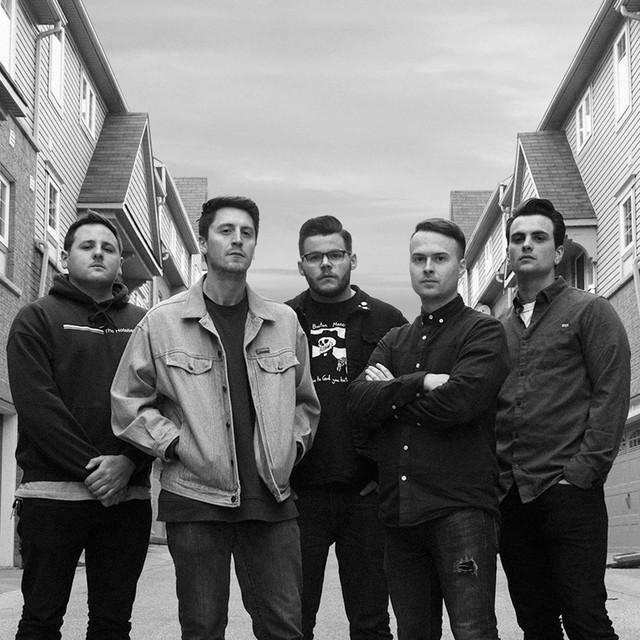
Hold Close

Punk
Pop Punk
Alternative Rock
 Viberate Rank: 285940
 Viberate Rank: 285940
 Monthly ListenersFollowers
 Subscribers
 Followers
 Followers
 FansTop Spotify Songs
| Track | 7-Day Streams | |
|---|---|---|
1 | 1.27K | |
2 | 745 | |
3 | 404 | |
4 | 263 | |
5 | 262 |
Top YouTube VideosMonthly ListenersFeatured in Playlists| Playlist | Followers | |
|---|---|---|
1 | blink-182, Sum 41 and More... Sum dude | 21.20K |
2 |  Rock Salute HITS | 15.41K |
3 |  The Sound of Pop Punk The Sounds of Spotify | 7.09K |
4 |  PrizzaJam Prizza Mike | 6.89K |
5 |  The Greatest Mixed Playlist Ever Nick Singer | 5.64K |
Audience| City | Monthly Listeners | |
|---|---|---|
1 | | 118 |
2 |  | 106 |
3 | | 87 |
4 | | 85 |
5 | | 84 |
See full performance history, audience data, playlist activity, rankings, comparisons, and more in Viberate music analytics. Start with a free trial, then continue with a paid plan.
Hold Close’s Spotify BioMissouri pop/rock group Hold Close created a highly produced alternative, emo-pop sound but with all the rough edges smoothed out.
The group was formed in 2016 in Springfield, Missouri, by vocalist Braxton Smiley, guitarists Jessee Everett and Charlie Edel, bassist Devon Edwards, and drummer Marshall Martin, all of whom had known one another since high school and played in different bands in the local scene. Inspired by Kings of Leon, Foo Fighters, Led Zeppelin, Steve Miller Band, and Poison, they tracked their first EP, I Was Never Meant to Stay, at ABG Studios in Crown Point, Indiana, with Seth Henderson, who gave the recordings a remarkably smooth, polished sound. Hold Close self-released the EP in 2016, and another, I'll Never Go Back, the following year. Their melodic, emotionally affecting sound rapidly gained them fans and drew the attention of Hopeless Records , which signed them in 2018 and released their debut full-length album, Time, the following January. Produced once again… by Henderson and heavily inspired by the death of a close friend, the album deals with loss, grief, and hope, and includes the single "Breath." ~ John D. Buchanan
Viberate is a music analytics platform built for A&Rs, artist managers, labels, booking agents, marketers, and artists.
It helps music professionals track artist growth, analyze audience data, monitor playlist activity, compare artists, follow song performance, and identify opportunities across the music market.
Public artist pages provide a free preview of selected artist data. Paid plans provide access to deeper analytics, historical data, charts, comparisons, playlist tools, exports, alerts, reports, and additional professional features.
Yes. Public Viberate artist pages provide selected artist analytics and music data for free.
Viberate also offers a 7-day free trial of the full platform. A credit card is required to start the trial. The trial includes access to the complete product so users can test deeper artist analytics, historical views, playlist insights, comparisons, charts, exports, alerts, and reporting features before choosing a paid plan.
Viberate provides artist analytics across streaming, playlists, social media, video, radio airplay, songs, and audience markets.
Users can analyze Spotify performance, Spotify and Apple Music playlists, YouTube activity, TikTok and Instagram growth, radio spins, song performance, audience locations, demographics, rankings, and overall artist momentum.
Artist profiles also connect to music charts, similar artists, and comparison tools, helping users benchmark performance and evaluate artists in context.
Viberate updates key artist and track data daily.
For followed artists and tracks, selected data is refreshed multiple times per day. This helps teams monitor playlist changes, streaming movement, audience growth, releases, and campaign performance with more current data.
Update frequency can vary depending on the metric and data source.
Yes. Viberate lets users compare up to five artists side by side across streaming, social media, audience, and engagement metrics.
Users can compare fanbase growth, audience demographics, locations, Spotify performance, social metrics, and other artist data over selected time periods.
Artist comparison can be used for A&R scouting, benchmarking, booking decisions, campaign planning, and evaluating artists with similar audiences or market positions.