Hitmaka

Hip Hop
Contemporary Hip Hop
Contemporary R&B
 Viberate Rank: 33474
 Viberate Rank: 33474
 Monthly ListenersFollowers
 Subscribers
 Followers
 Followers
 FansTop Spotify Songs
| Track | 7-Day Streams | |
|---|---|---|
1 | 32.43K | |
2 | 13.45K | |
3 | 9.72K | |
4 | 6.92K | |
5 | 4.21K |
Top YouTube Videos| Video | 7-Day Views | |
|---|---|---|
1 | 8.32K | |
2 | 956 | |
3 | 915 | |
4 | 834 | |
5 | 438 |
Monthly ListenersFeatured in Playlists| Playlist | Followers | |
|---|---|---|
1 | Nick Kin | 152.68K |
2 |  amoy red flag na expensive na rich na conyo na matangkad na pogi na may tattoo sleeve allaine | 133.76K |
3 | Top G | 103.15K |
4 |  R&B Hits 2026 Noémi Reyes | 87.29K |
5 |  Featuring Ty Dolla $ign Ty Dolla $ign | 86.45K |
Audience| City | Monthly Listeners | |
|---|---|---|
1 | | 2.27K |
2 | | 2.23K |
3 | | 2.00K |
4 |  | 1.94K |
5 |  | 1.93K |
See full performance history, audience data, playlist activity, rankings, comparisons, and more in Viberate music analytics. Start with a free trial, then continue with a paid plan.
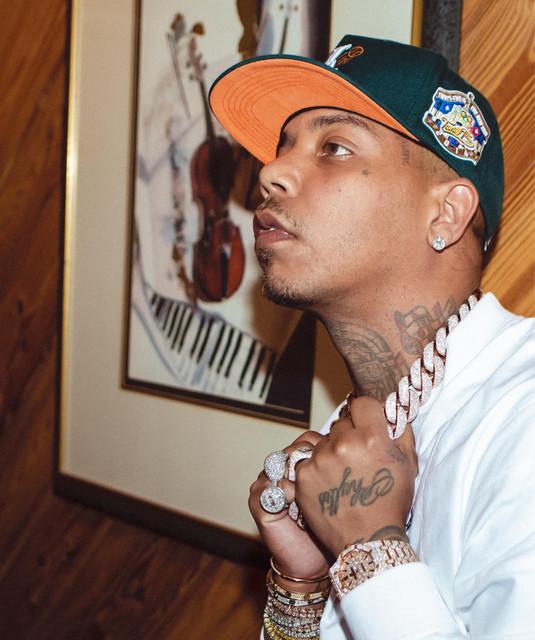
Hitmaka’s Spotify BioAfter spending several years rapping under the name Yung Berg, Chicago-born musician Christian Ward switched his focus to producing as Hitmaka. Having already quietly accrued several huge production credits for artists like Nicki Minaj and Sean Paul, Hitmaka stepped into the spotlight with his 2019 single "Thot Box," featuring verses from Meek Mill, 2 Chainz, Tyga, and others.
Christian Ward was born in Chicago in 1985 and was rapping under the stage name Iceberg by the early 2000s. He was first signed to DMX's Bloodline Records, but his rap dreams were postponed when his parents sent him to boarding school. When he got out in 2003, he moved to Los Angeles, and a few years later made his debut as Yung Berg. By the late 2000s, Ward was working as a producer in addition to rapping. His production credits included several tracks on Nicki Minaj's 2012 debut studio album The Pinkprint, as well as singles for French Montana, Lil Wayne, Meek Mill, Yo Gotti, and many others. His focus shifted… gradually from rapping to production and A&R work for Atlantic. Somewhere in the early to mid-2000s, Ward took on the Hitmaka moniker and began applying a Hitmaka production tag to his beats. More work for high-profile rappers and R&B stars continued, and in 2019, his single "Thotbox" was released. The original version included rhymes from 2 Chainz, Meek Mill, YBN Nahmir, A Boogie wit Da Hoodie, and Tyga, and several weeks later a remix surfaced, featuring new verses from Young Ma, Dreezy, Mulatto, DreamDoll, and Chinese Kitty. ~ Fred Thomas, Rovi
Viberate is a music analytics platform built for A&Rs, artist managers, labels, booking agents, marketers, and artists.
It helps music professionals track artist growth, analyze audience data, monitor playlist activity, compare artists, follow song performance, and identify opportunities across the music market.
Public artist pages provide a free preview of selected artist data. Paid plans provide access to deeper analytics, historical data, charts, comparisons, playlist tools, exports, alerts, reports, and additional professional features.
Yes. Public Viberate artist pages provide selected artist analytics and music data for free.
Viberate also offers a 7-day free trial of the full platform. A credit card is required to start the trial. The trial includes access to the complete product so users can test deeper artist analytics, historical views, playlist insights, comparisons, charts, exports, alerts, and reporting features before choosing a paid plan.
Viberate provides artist analytics across streaming, playlists, social media, video, radio airplay, songs, and audience markets.
Users can analyze Spotify performance, Spotify and Apple Music playlists, YouTube activity, TikTok and Instagram growth, radio spins, song performance, audience locations, demographics, rankings, and overall artist momentum.
Artist profiles also connect to music charts, similar artists, and comparison tools, helping users benchmark performance and evaluate artists in context.
Viberate updates key artist and track data daily.
For followed artists and tracks, selected data is refreshed multiple times per day. This helps teams monitor playlist changes, streaming movement, audience growth, releases, and campaign performance with more current data.
Update frequency can vary depending on the metric and data source.
Yes. Viberate lets users compare up to five artists side by side across streaming, social media, audience, and engagement metrics.
Users can compare fanbase growth, audience demographics, locations, Spotify performance, social metrics, and other artist data over selected time periods.
Artist comparison can be used for A&R scouting, benchmarking, booking decisions, campaign planning, and evaluating artists with similar audiences or market positions.