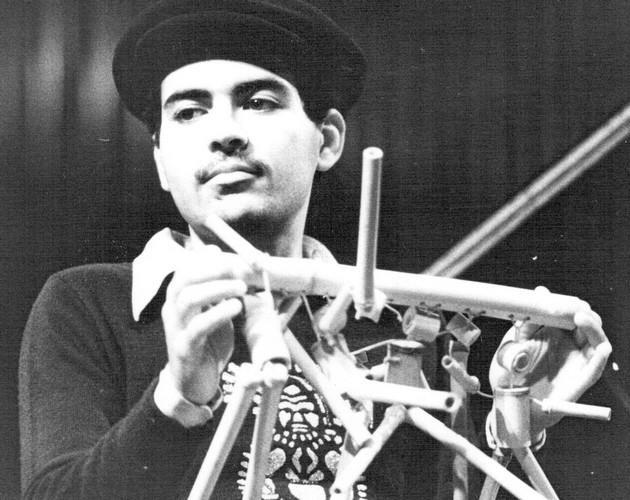
Hilton Ruiz

Jazz
Latin Jazz
Jazz Fusion
 Viberate Rank: 228125
 Viberate Rank: 228125
 Monthly ListenersFollowers
 Subscribers
 Followers
 Followers
 FansTop Spotify Songs
| Track | 7-Day Streams | |
|---|---|---|
1 | 7.07K | |
2 | 961 | |
3 | 474 | |
4 | 417 | |
5 | 407 |
Top YouTube VideosMonthly ListenersFeatured in Playlists| Playlist | Followers | |
|---|---|---|
1 |  Latin Jazz Spotify | 513.12K |
2 |  The Best Female Blues & Jazz Vocals | Don's Tunes Don's Tunes | 15.00K |
3 |  Real Book - Jazz standards/classics Anders Garbom Bjørklund | 13.79K |
4 | SOTTOFONDO CENA manueldeedj | 12.15K |
5 |  JAZZ FUSION FUNK AND SOUL Jazz Fusion Funk&Soul | 11.91K |
Audience| City | Monthly Listeners | |
|---|---|---|
1 |  | 791 |
2 | | 661 |
3 |  | 503 |
4 |  | 443 |
5 |  | 407 |
See full performance history, audience data, playlist activity, rankings, comparisons, and more in Viberate music analytics. Start with a free trial, then continue with a paid plan.
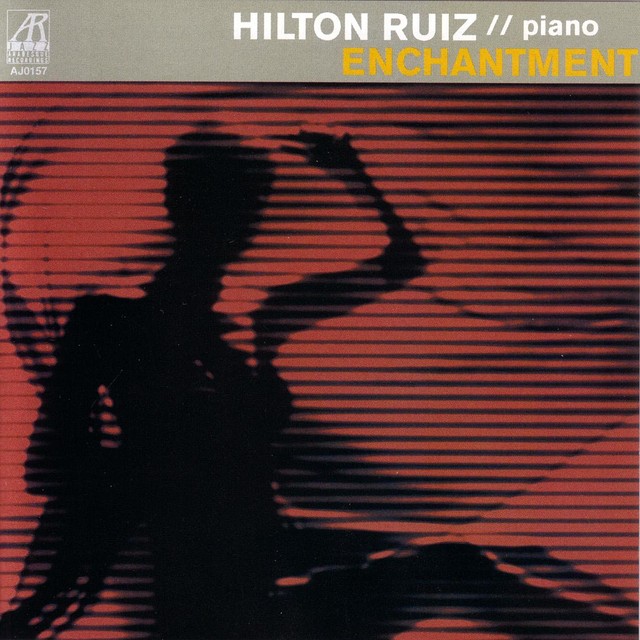
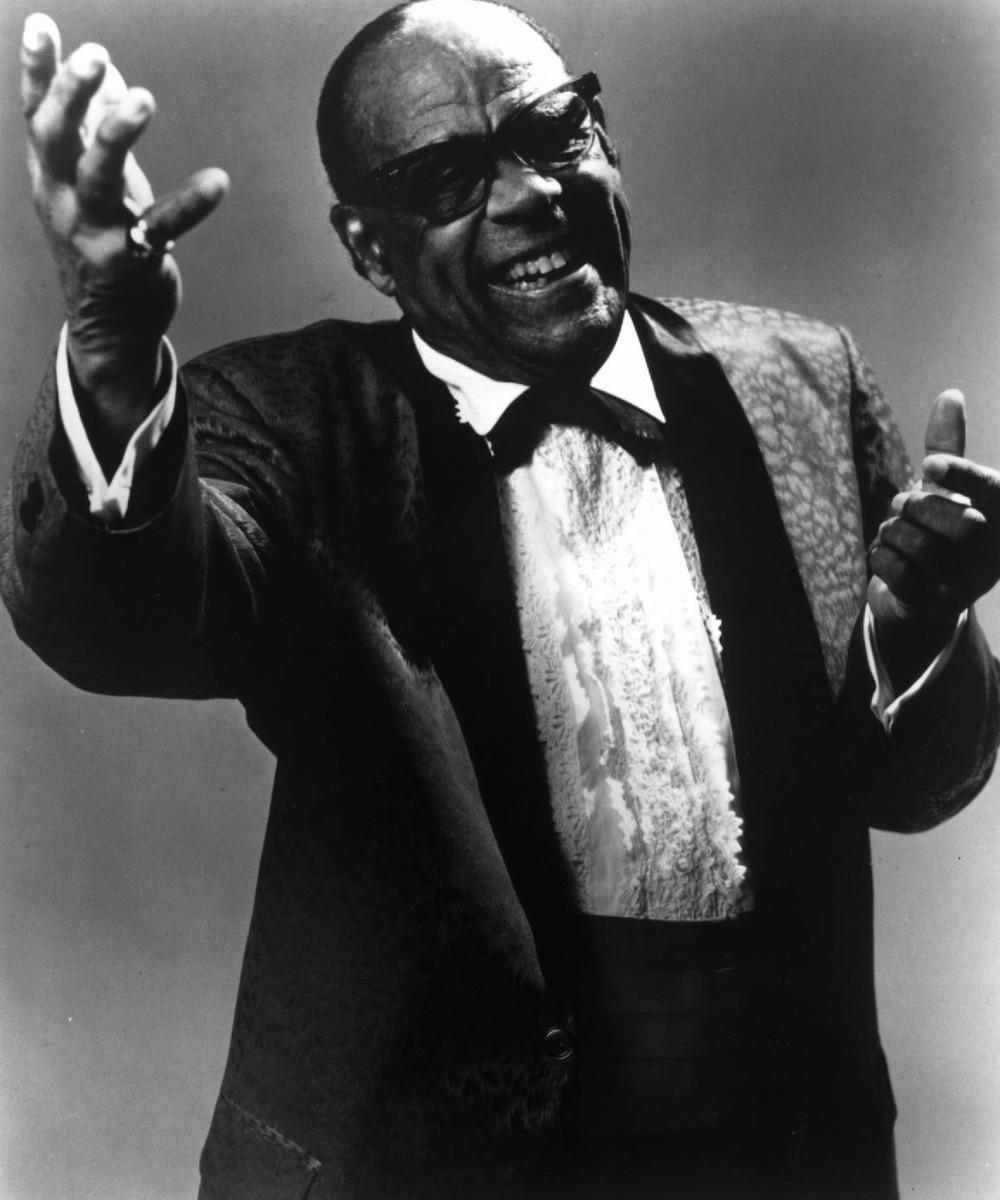
Hilton Ruiz’s Spotify BioJazz pianist Hilton Ruiz was a musician of uncommon versatility, shuttling seamlessly between the complex improvisations of the avant-garde and the relentless rhythms of Afro-Cuban music. Born in New York City on May 29, 1952, Ruiz was a child prodigy who performed at Carnegie Recital Hall at age eight. In addition to classical studies, he explored jazz under the tutelage of the legendary Mary Lou Williams, and at 14 made his recorded debut with the Latin soul outfit Ray Jay and the East Siders. His remarkable improvisational gifts nevertheless cemented Ruiz's decision to pursue a career in jazz, and while still in his teens he backed everyone from Freddie Hubbard to Joe Henderson. Ruiz vaulted to global renown in 1973 when he joined the famously eclectic saxophonist/flutist Rahsaan Roland Kirk, proving his mettle as a gifted interpreter of a repertoire spanning from the blues to the avant-garde via cult-classic LPs including The Case of the 3 Sided Dream in Audio Color and The Return… of the 5000 Lb. Man. After a four-year tenure with Kirk, Ruiz toured Egypt and India with Clark Terry; upon his return to New York, he was a first-call sideman for acts including Betty Carter, Abbey Lincoln, and Chico Freeman, and also founded his own group, continuing a headlining career that began with the 1975 Steeplechase effort Piano Man. Over the span of acclaimed LPs including 1977's Steppin' Into Beauty, 1988's El Camino (The Road) and 1991's A Moment's Notice, Ruiz honed a Latin jazz fusion approach that resulted in collaborations with Tito Puente and Paquito d'Rivera; he also moonlighted in film, contributing to the soundtracks of Woody Allen's Crimes and Misdemeanors and Sam Mendes' Oscar-winning American Beauty, and with Richard Bradley authored 1987's three-volume Jazz and How to Play It. During a visit to New Orleans, where he was scheduled to work on a Hurricane Katrina benefit project, Ruiz suffered a fall in front of a French Quarter bar and slipped into a coma. He never regained consciousness, dying just a week after his 54th birthday on June 6, 2006. ~ Jason Ankeny, Rovi
Viberate is a music analytics platform built for A&Rs, artist managers, labels, booking agents, marketers, and artists.
It helps music professionals track artist growth, analyze audience data, monitor playlist activity, compare artists, follow song performance, and identify opportunities across the music market.
Public artist pages provide a free preview of selected artist data. Paid plans provide access to deeper analytics, historical data, charts, comparisons, playlist tools, exports, alerts, reports, and additional professional features.
Yes. Public Viberate artist pages provide selected artist analytics and music data for free.
Viberate also offers a 7-day free trial of the full platform. A credit card is required to start the trial. The trial includes access to the complete product so users can test deeper artist analytics, historical views, playlist insights, comparisons, charts, exports, alerts, and reporting features before choosing a paid plan.
Viberate provides artist analytics across streaming, playlists, social media, video, radio airplay, songs, and audience markets.
Users can analyze Spotify performance, Spotify and Apple Music playlists, YouTube activity, TikTok and Instagram growth, radio spins, song performance, audience locations, demographics, rankings, and overall artist momentum.
Artist profiles also connect to music charts, similar artists, and comparison tools, helping users benchmark performance and evaluate artists in context.
Viberate updates key artist and track data daily.
For followed artists and tracks, selected data is refreshed multiple times per day. This helps teams monitor playlist changes, streaming movement, audience growth, releases, and campaign performance with more current data.
Update frequency can vary depending on the metric and data source.
Yes. Viberate lets users compare up to five artists side by side across streaming, social media, audience, and engagement metrics.
Users can compare fanbase growth, audience demographics, locations, Spotify performance, social metrics, and other artist data over selected time periods.
Artist comparison can be used for A&R scouting, benchmarking, booking decisions, campaign planning, and evaluating artists with similar audiences or market positions.