High Places

Rock
Folk Rock
Indie Pop
 Viberate Rank: 283271
 Viberate Rank: 283271
 Monthly ListenersFollowers
 Subscribers
 Followers
 Followers
 FansTop Spotify Songs
| Track | 7-Day Streams | |
|---|---|---|
1 | 339 | |
2 | 339 | |
3 | 208 | |
4 | 208 | |
5 | 118 |
Top YouTube VideosMonthly ListenersFeatured in Playlists| Playlist | Followers | |
|---|---|---|
1 | While You Work (@whileyouwork) Eli Feghali | 81.75K |
2 |  The 500 Best Songs of the 2000s Pitchfork | 29.95K |
3 |  weird girl music 。𖦹°‧⭑.ᐟ hazeldepret | 14.87K |
4 | Skins UK 1-7 Raven Linnette | 13.46K |
5 |  Duyster (all tracks ever played) Wike | 8.15K |
Audience| City | Monthly Listeners | |
|---|---|---|
1 |  | 65 |
2 | | 52 |
3 | | 47 |
4 |  | 39 |
5 | | 36 |
See full performance history, audience data, playlist activity, rankings, comparisons, and more in Viberate music analytics. Start with a free trial, then continue with a paid plan.
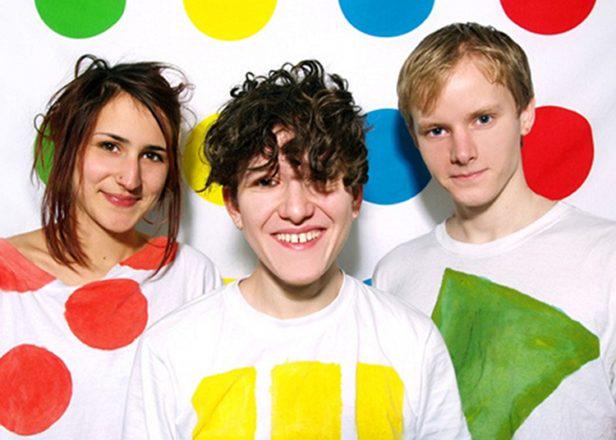
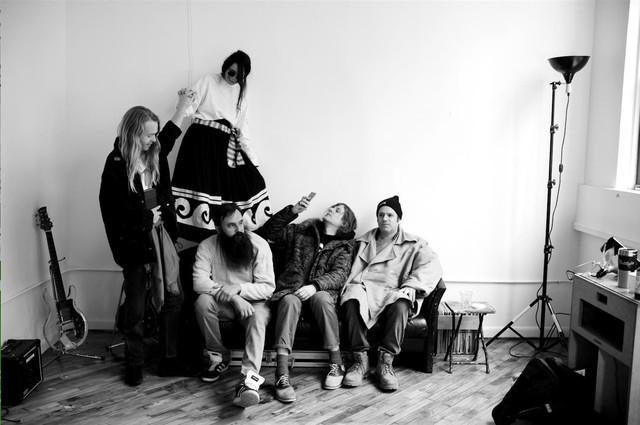
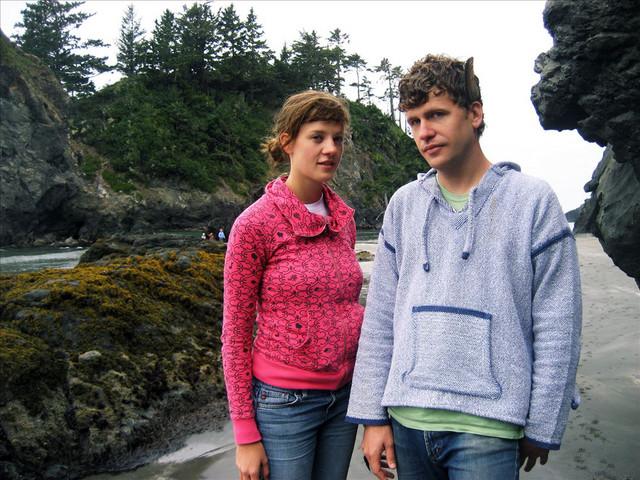
High Places’ Spotify BioOne of many boy/girl indie electro duos formed in 2006, Rob Barber and Mary Pearson of Brooklyn's High Places approach recording with creative abandon, experimenting with offbeat production techniques like random microphone positioning, pitch shifting, delays, and saturated blankets of reverb to create danceable layers of sound. Playful and peppy, their beats incorporate sparse and hypnotic tribal rhythms, with lyrics that incorporate unusually innocent topics like love letters to Martians and apologies to endangered species. High Places got their break when the Pitchfork music website reviewed their EP and gave the CD a favorable rating, giving Barber and Pearson instant attention. That winter, a West Coast tour with similar-minded artists the Blow and Mirah followed, while High Places' first album remained unfinished. In July of 2008, Thrill Jockey made the band's collection of singles 03/07-09/07 available on CD, and High Places made plans to embark on a summer tour with No Age befo…re releasing their self-titled debut full-length on September 23. After moving to Los Angeles and revamping their sound to include more traditional instrumentation, High Places released their second album, High Places vs. Mankind, in April of 2010. Their third studio album, Original Colors, took a more glossy electro approach and was released in the fall of 2011. ~ Jason Lymangrover, Rovi
Viberate is a music analytics platform built for A&Rs, artist managers, labels, booking agents, marketers, and artists.
It helps music professionals track artist growth, analyze audience data, monitor playlist activity, compare artists, follow song performance, and identify opportunities across the music market.
Public artist pages provide a free preview of selected artist data. Paid plans provide access to deeper analytics, historical data, charts, comparisons, playlist tools, exports, alerts, reports, and additional professional features.
Yes. Public Viberate artist pages provide selected artist analytics and music data for free.
Viberate also offers a 7-day free trial of the full platform. A credit card is required to start the trial. The trial includes access to the complete product so users can test deeper artist analytics, historical views, playlist insights, comparisons, charts, exports, alerts, and reporting features before choosing a paid plan.
Viberate provides artist analytics across streaming, playlists, social media, video, radio airplay, songs, and audience markets.
Users can analyze Spotify performance, Spotify and Apple Music playlists, YouTube activity, TikTok and Instagram growth, radio spins, song performance, audience locations, demographics, rankings, and overall artist momentum.
Artist profiles also connect to music charts, similar artists, and comparison tools, helping users benchmark performance and evaluate artists in context.
Viberate updates key artist and track data daily.
For followed artists and tracks, selected data is refreshed multiple times per day. This helps teams monitor playlist changes, streaming movement, audience growth, releases, and campaign performance with more current data.
Update frequency can vary depending on the metric and data source.
Yes. Viberate lets users compare up to five artists side by side across streaming, social media, audience, and engagement metrics.
Users can compare fanbase growth, audience demographics, locations, Spotify performance, social metrics, and other artist data over selected time periods.
Artist comparison can be used for A&R scouting, benchmarking, booking decisions, campaign planning, and evaluating artists with similar audiences or market positions.