Hexer

Electronic
Techno
Acid Techno
 Viberate Rank: 680674
 Viberate Rank: 680674
 Monthly ListenersFollowers
 Subscribers
 Followers
 Followers
 FansTop Spotify Songs
| Track | 7-Day Streams | |
|---|---|---|
1 | 25 | |
2 | 23 | |
3 | 22 | |
4 | 19 | |
5 | 1 |
Top YouTube VideosMonthly ListenersFeatured in Playlists| Playlist | Followers | |
|---|---|---|
1 |  Deep Dark & Hard - Selected Techno - Fear N Loathing Phil Fnl | 3.82K |
2 |  milimaudio TECHNO Playlist Milimaudio | 3.71K |
3 |  Berlin Dark Techno Ni Ko | 1.52K |
4 |  Deep Dark EDM smm646 | 1.48K |
Audience| City | Monthly Listeners | |
|---|---|---|
1 |  | 19 |
2 |  | 8 |
3 | | 4 |
4 | | 3 |
5 |  | 3 |
See full performance history, audience data, playlist activity, rankings, comparisons, and more in Viberate music analytics. Start with a free trial, then continue with a paid plan.
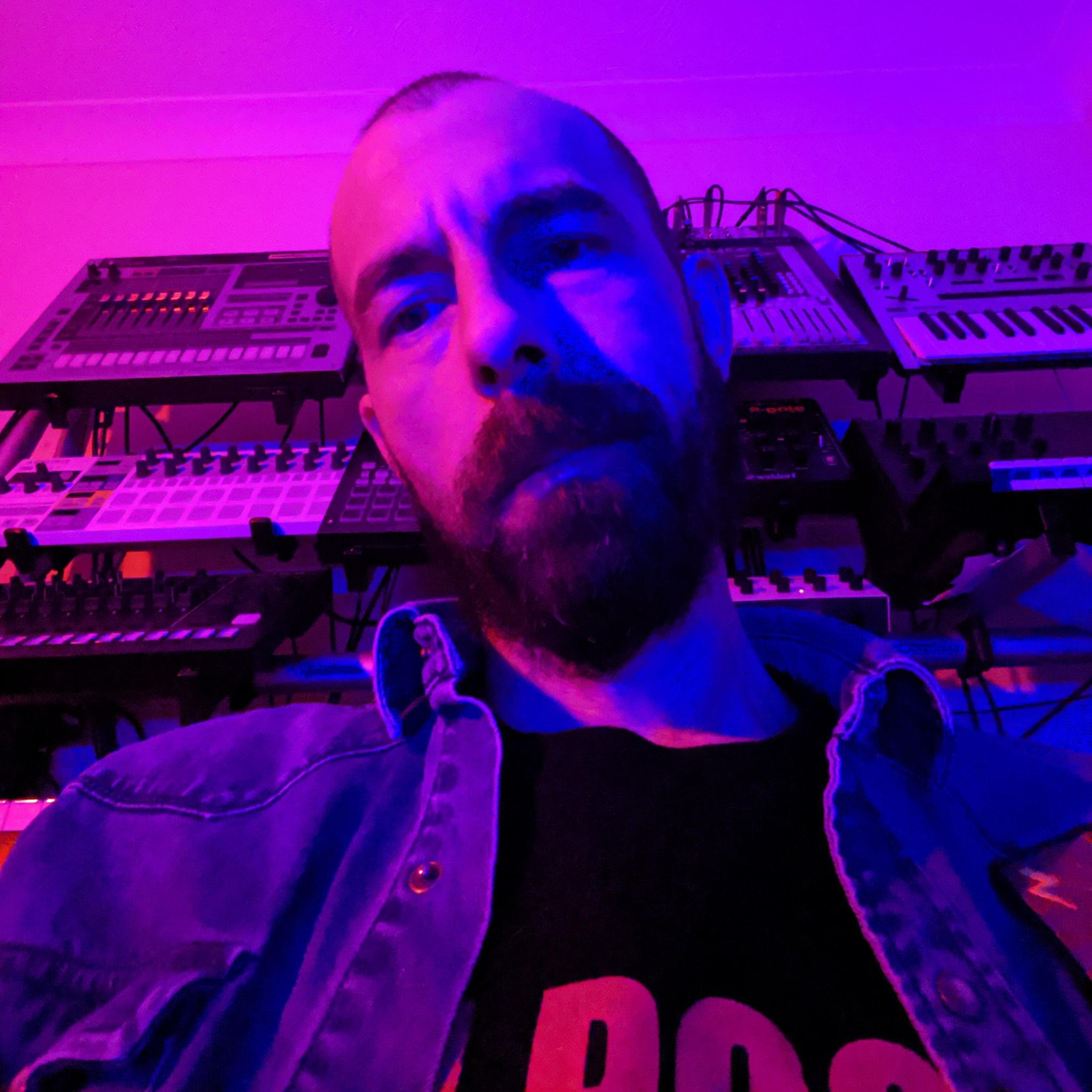
Hexer’s Spotify BioYou can already see Hexer name often in Asia's growing techno scene these days.
Growing-up on metal and Punk roots, Hexer was first exposed to electronic music in the mid 2000’s. Inspired by acid-infused 90's techno, he started his DJ career in Turkey’s vibrant basement club scene.
Hexer relocated to Bangkok in 2016 and swiftly became established in its rapidly growing underground scene, becoming a familiar face amongst in regional underground community with both his DJing and Production skills.
He started 2019 with his chart topper release Aberrations which stayed on Beatport's Top Melodic Techno releases chart for weeks. Three tracker EP was just a signal which points 'what we are going to hear from him this year'.
Hexer already released 4 EPs in 2019 and planning to have 5 more which are already received great reviews from names like, Maceo Plex, Ramon Tapia, Roberto Capuano, Joseph Capriati, Rob Hes, Ilario Alicante, Noir and many others.
Viberate is a music analytics platform built for A&Rs, artist managers, labels, booking agents, marketers, and artists.
It helps music professionals track artist growth, analyze audience data, monitor playlist activity, compare artists, follow song performance, and identify opportunities across the music market.
Public artist pages provide a free preview of selected artist data. Paid plans provide access to deeper analytics, historical data, charts, comparisons, playlist tools, exports, alerts, reports, and additional professional features.
Yes. Public Viberate artist pages provide selected artist analytics and music data for free.
Viberate also offers a 7-day free trial of the full platform. A credit card is required to start the trial. The trial includes access to the complete product so users can test deeper artist analytics, historical views, playlist insights, comparisons, charts, exports, alerts, and reporting features before choosing a paid plan.
Viberate provides artist analytics across streaming, playlists, social media, video, radio airplay, songs, and audience markets.
Users can analyze Spotify performance, Spotify and Apple Music playlists, YouTube activity, TikTok and Instagram growth, radio spins, song performance, audience locations, demographics, rankings, and overall artist momentum.
Artist profiles also connect to music charts, similar artists, and comparison tools, helping users benchmark performance and evaluate artists in context.
Viberate updates key artist and track data daily.
For followed artists and tracks, selected data is refreshed multiple times per day. This helps teams monitor playlist changes, streaming movement, audience growth, releases, and campaign performance with more current data.
Update frequency can vary depending on the metric and data source.
Yes. Viberate lets users compare up to five artists side by side across streaming, social media, audience, and engagement metrics.
Users can compare fanbase growth, audience demographics, locations, Spotify performance, social metrics, and other artist data over selected time periods.
Artist comparison can be used for A&R scouting, benchmarking, booking decisions, campaign planning, and evaluating artists with similar audiences or market positions.