henry cooper

Jazz
Smooth Jazz
Folk Rock
 Viberate Rank: 234888
 Viberate Rank: 234888
 Monthly ListenersFollowers
 Subscribers
 Followers
 Followers
 FansTop Spotify Songs
| Track | 7-Day Streams | |
|---|---|---|
1 | 11 | |
2 | 4 | |
3 | 4 | |
4 | 3 | |
5 | 3 |
Top YouTube VideosMonthly ListenersFeatured in Playlists| Playlist | Followers | |
|---|---|---|
1 |  Slow Blues & Blues Rock | Don's Tunes Don's Tunes | 19.74K |
Audience| City | Monthly Listeners | |
|---|---|---|
1 | | 3 |
See full performance history, audience data, playlist activity, rankings, comparisons, and more in Viberate music analytics. Start with a free trial, then continue with a paid plan.
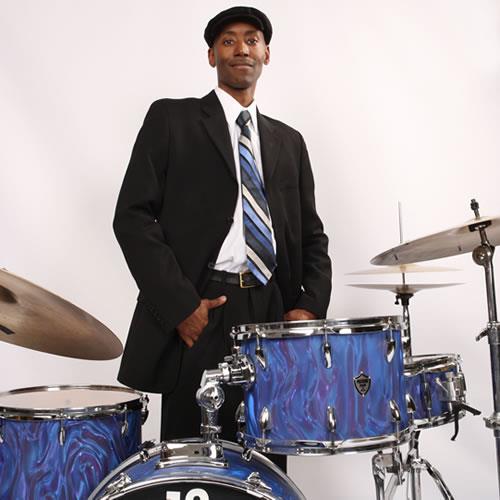
henry cooper’s Spotify BioThe blues bug bit Henry Cooper hard when he was 16. At the time, he was toiling as a busboy in an Oregon hotel. Paul Butterfield's "The Work Song" came on the radio, and that was it for the blues-struck teenager. He was hooked. Wasting no time, he headed out to buy records that would give him more of that bowled-over feeling he got while listening to Butterfield's band glide through the airwaves. Among his first purchases was a record that featured Muddy Waters and Butterfield, "Fathers & Sons." He also started frequenting blues clubs around the city of Eugene, where he discovered such harmonica players as Curtis Salgado, Mike Mother, and Bill Rhoades. Three years later, Cooper played the harmonica on a 45, and it was his first foray into the world of recording.
Cooper became interested in the guitar during his early 20s. Unable to afford a regular guitar, he purchased a lap steel from a pawnbroker and set about trying to transfer harmonica licks to his new instrument. He also attempted… to emulate masters like Waters, Albert Collins, and Elmore James. The first group Cooper was in was Los Explorers, along with Fred Kellogg, John Barley, and Louie Samora. He went on to join the Milkmen before he settled into a band called Los Falcons with Barley, Andy Strange, and Boyd Small, who also had played with the Milkmen. By 1987, Cooper and his bandmates were set to perform New Year's Eve, sharing a stage with outrageous showman Screamin' Jay Hawkins. When Hawkins heard how well the band played his songs, he declared he wanted Cooper and the others along on his upcoming European tour. Hawkins was as goods as his word, and Los Falcons headed to Europe.
Back in the states, Cooper moved his home base from Eugene to Portland. There he established a series of bands, among them the Terraplanes and Henry & the Hamhawks. By the '90s, he and spouse Anne had settled in Seattle, where he started playing guitar for rising blues artist Duffy Bishop. The working relationship lasted five years, during which he appeared on a pair of Bishop's CDs, Back to the Bone and Bottled Oddities, which were put out by Burnside Records. When Cooper went out on his own, he devoted about a year to putting together his first solo album. High Action Records, Cooper's label, issued Baby Please in 1998. The CD earned critical and popular acclaim. Burnside released his next CD, Slide Man, for which Cooper penned 14 of the release's 15 numbers. ~ Linda Seida, Rovi
Viberate is a music analytics platform built for A&Rs, artist managers, labels, booking agents, marketers, and artists.
It helps music professionals track artist growth, analyze audience data, monitor playlist activity, compare artists, follow song performance, and identify opportunities across the music market.
Public artist pages provide a free preview of selected artist data. Paid plans provide access to deeper analytics, historical data, charts, comparisons, playlist tools, exports, alerts, reports, and additional professional features.
Yes. Public Viberate artist pages provide selected artist analytics and music data for free.
Viberate also offers a 7-day free trial of the full platform. A credit card is required to start the trial. The trial includes access to the complete product so users can test deeper artist analytics, historical views, playlist insights, comparisons, charts, exports, alerts, and reporting features before choosing a paid plan.
Viberate provides artist analytics across streaming, playlists, social media, video, radio airplay, songs, and audience markets.
Users can analyze Spotify performance, Spotify and Apple Music playlists, YouTube activity, TikTok and Instagram growth, radio spins, song performance, audience locations, demographics, rankings, and overall artist momentum.
Artist profiles also connect to music charts, similar artists, and comparison tools, helping users benchmark performance and evaluate artists in context.
Viberate updates key artist and track data daily.
For followed artists and tracks, selected data is refreshed multiple times per day. This helps teams monitor playlist changes, streaming movement, audience growth, releases, and campaign performance with more current data.
Update frequency can vary depending on the metric and data source.
Yes. Viberate lets users compare up to five artists side by side across streaming, social media, audience, and engagement metrics.
Users can compare fanbase growth, audience demographics, locations, Spotify performance, social metrics, and other artist data over selected time periods.
Artist comparison can be used for A&R scouting, benchmarking, booking decisions, campaign planning, and evaluating artists with similar audiences or market positions.