Henrik Ødegaard

Classical
Choral
 Viberate Rank: 664606
 Viberate Rank: 664606
 Monthly ListenersFollowers
 Subscribers
 Followers
 Followers
 FansTop Spotify SongsTop YouTube VideosMonthly ListenersFeatured in Playlists
| Playlist | Followers | |
|---|---|---|
1 |  ECM New & Forthcoming ECM Records | 9.45K |
2 |  Calming Choral Classics Classics To Go | 7.33K |
3 |  Latin Catholic Chants baustinw420 | 6.59K |
4 |  Sacred Christmas Music: Choral and Instrumental Michael Weber | 1.10K |
Audience| City | Monthly Listeners | |
|---|---|---|
1 | | 110 |
2 |  | 38 |
3 | | 17 |
4 |  | 13 |
5 |  | 11 |
See full performance history, audience data, playlist activity, rankings, comparisons, and more in Viberate music analytics. Start with a free trial, then continue with a paid plan.
Henrik Ødegaard’s Spotify BioHenrik Ødegaard was born in Oslo 28.07.1955. After studying the bass trombone and church music he studied composition with Lasse Thoresen at the Norwegian State Academy of Music and with Tristan Keuris at the Utrecht Conservatorium in Holland as well as studies in the ”Gregorian chant class” at the National Conservatory in Paris with Louis-Marie Vigne as main teacher. During the studies in France Ødegaard was a singing member of Choeur grégorien de Paris
A substantial propotion of Ødegaard´s works are composed for the church. Residing in Telemark puts Ødegaard in the centre of a vital folk-music scene – a musical heritage that has proved to play an increasing part of the composers approximation process towards folk music. Ødegaard has devoted much work focusing on the hardanger fiddle. Ødegaard has also composed major works for brass ensemble, many solo songs and a great number of choir pieces using material and esthetics from Gregorian chant. Ødegaards music has been performed in all… scandinavian countries as well as in Estonia, Latvia, Poland, The Czech Republic, Hungaria, Italy, France, England, Ireland, South-Africa, Japan og USA. In 2009 he was the festival composer at The Fartein Valen Festival, as well as recieving the Farten Valen scholarship.
1981-2006 he was organist/choir conductor in Sauherad community, Telemark, Norway. From 2006 he is full-time composer.
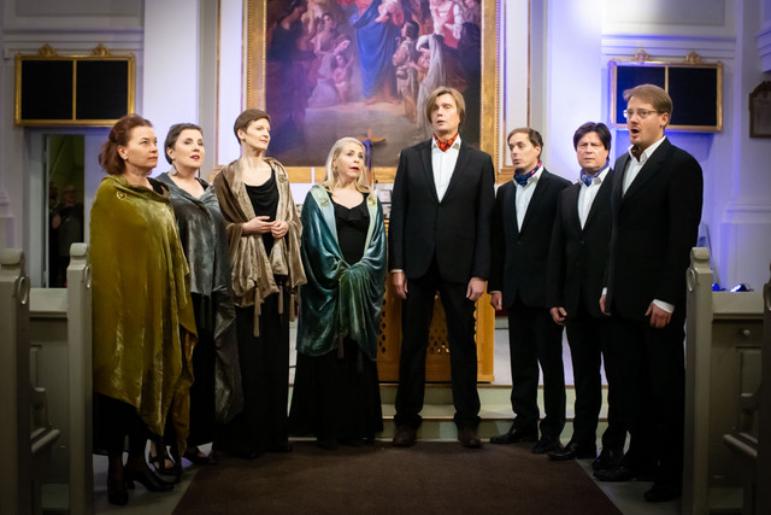
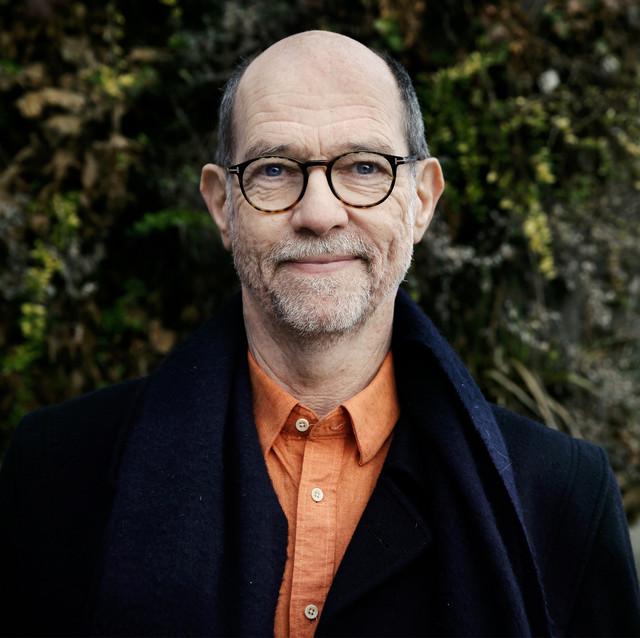
Artist photos: Dag Jenssen, Geir Dokken and Tone Carlsen
Viberate is a music analytics platform built for A&Rs, artist managers, labels, booking agents, marketers, and artists.
It helps music professionals track artist growth, analyze audience data, monitor playlist activity, compare artists, follow song performance, and identify opportunities across the music market.
Public artist pages provide a free preview of selected artist data. Paid plans provide access to deeper analytics, historical data, charts, comparisons, playlist tools, exports, alerts, reports, and additional professional features.
Yes. Public Viberate artist pages provide selected artist analytics and music data for free.
Viberate also offers a 7-day free trial of the full platform. A credit card is required to start the trial. The trial includes access to the complete product so users can test deeper artist analytics, historical views, playlist insights, comparisons, charts, exports, alerts, and reporting features before choosing a paid plan.
Viberate provides artist analytics across streaming, playlists, social media, video, radio airplay, songs, and audience markets.
Users can analyze Spotify performance, Spotify and Apple Music playlists, YouTube activity, TikTok and Instagram growth, radio spins, song performance, audience locations, demographics, rankings, and overall artist momentum.
Artist profiles also connect to music charts, similar artists, and comparison tools, helping users benchmark performance and evaluate artists in context.
Viberate updates key artist and track data daily.
For followed artists and tracks, selected data is refreshed multiple times per day. This helps teams monitor playlist changes, streaming movement, audience growth, releases, and campaign performance with more current data.
Update frequency can vary depending on the metric and data source.
Yes. Viberate lets users compare up to five artists side by side across streaming, social media, audience, and engagement metrics.
Users can compare fanbase growth, audience demographics, locations, Spotify performance, social metrics, and other artist data over selected time periods.
Artist comparison can be used for A&R scouting, benchmarking, booking decisions, campaign planning, and evaluating artists with similar audiences or market positions.