 Viberate
Henri de Quengo
 FRAClassical, Classical Crossover, Neoclassical
N/A monthly listeners
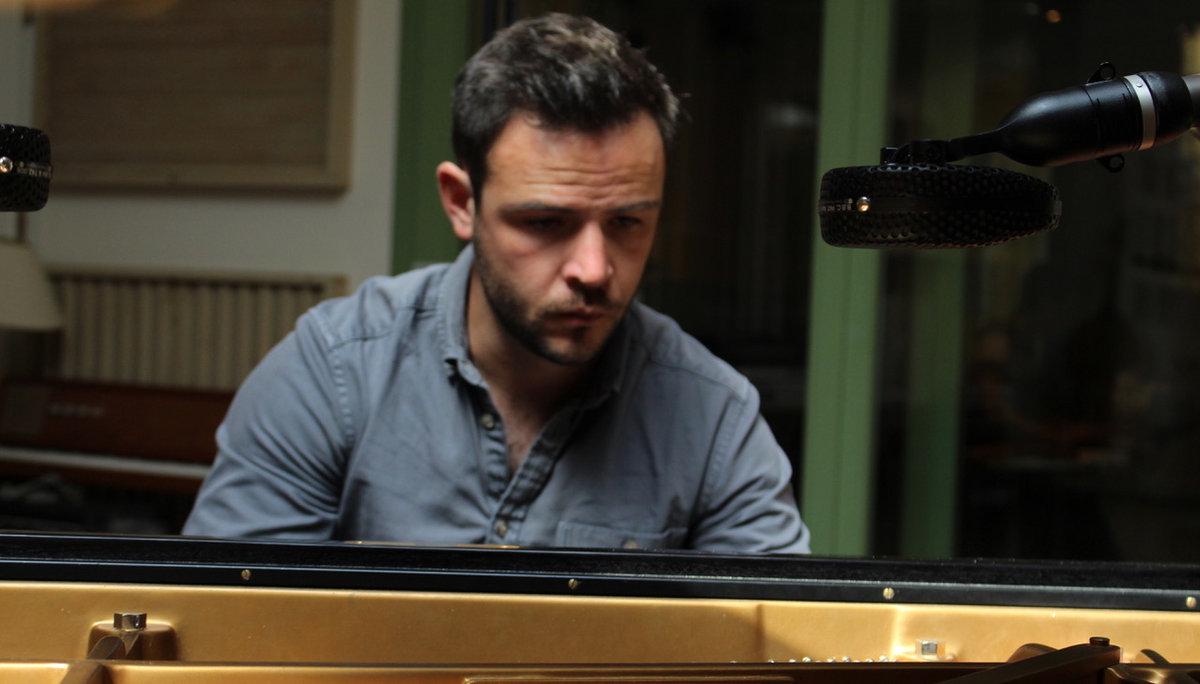 FRAClassical, Classical Crossover, Neoclassical

French classical and classical crossover guitarist Henri de Quengo is renowned for his enthralling and moving performances. Henri was born and reared in France, where he developed his musical abilities while studying with some of the most talented artists in the nation.
Henri is a well-known classical musician who excels at bringing out the beauty and complexity of the genre. He is known as one of France's most talented classical musicians, and his performances are distinguished by their passion, accuracy, and attention to detail.
Henri is a master of classical crossover in addition to his classical compositions, skillfully fusing traditional classical sounds with pop, rock, and electronic music elements. He has a devoted fan base who admire his ability to produce music that is both new and timeless because to his distinctive approach. Henri de Quengo has become one of France's most adored musical icons thanks to his mesmerizing performances and unmatched musical talent.
A diverse and significant catalog of classical and classical crossover music has been created by Henri de Quengo. "Correspondance Insulaire, Op. 11", "Blanche, Op. 10", and "L'envol, Op. 1, No. 2" are some of his most well-known compositions. Henri de Quengo's "Correspondance Insulaire, Op. 11" is a hauntingly gorgeous composition that displays his extraordinary gift for composing moving music. The mellifluous piece "Blanche, Op. 10" is well-known for its calming melody and impact. "L'envol, Op. 1, No. 2" is a rousing song that exudes optimism and hope.
Apoptosis, Op. 3, Loargann, Op. 7 No. 1, Berceuse 'Vulpes Zerda,' Op. 2, Waltz Upon a Time, Op. 8, "Two Days Sickness, Op. 9 No. 5", "Apoptosis, Op. 3", "Berceuse 'Commiphora Opobalsamum,' Op. 5", and "La Fenetre, Op. 1, No. Every one of these songs has a distinctive appeal that has drawn in fans from all around the world.
The eternal appeal of Henri de Quengo's music cuts beyond national boundaries and cultural barriers. His works are the ideal fusion of classical and contemporary elements, appealing to a wide variety of listeners. The music of Henri de Quengo is evidence of his extraordinary talent and commitment to his trade.
With his most recent music releases, French classical and classical crossover pianist Henri de Quengo has been captivating audiences. "Robinson, Op. 9 (Original Theatre Soundtrack) (2022)," his most recent album, displays his distinctive fusion of classical and modern music. There are 12 songs on the album, each of which takes listeners on a different musical trip while conveying a different story.
In addition to his most recent album, Henri de Quengo has released a number of songs this year. His most recent works are "Correspondance Insulaire, Op. 11," "Blanche, Op. 10," "Waltz Upon a Time, Op. 8," and "Deux nocturnes, Op. 7," each with a distinctive style and melody. The songs highlight his musical diversity and his capacity to produce music that appeals to listeners in a variety of genres.
The music of Henri de Quengo provides evidence of his artistry and originality. He possesses a rare talent for fusing classical and modern music in an original and enthralling way. For everyone who likes music that is both beautiful and thought-provoking, his most recent releases are a must-listen. Henri de Quengo is certain to keep producing classic works that will have a lasting impact on his listeners thanks to his talent and love for music.
George Frideric Handel and classical crossover artist Henri de Quengo worked together on the song "Robinson's Sarabande (From HWV 437)." One of the greatest composers of the Baroque era was Handel, a German-born musician who lived in England for the most of his career. De Quengo and Handel's partnership produced a remarkable Classical Crossover track that combines Handel's Baroque style with de Quengo's modern feel.
Handel's original composition is beautifully arranged as "Robinson's Sarabande (From HWV 437)," demonstrating de Quengo's extraordinary musical talent. The two musicians' collaboration is evidence of the ability of music to unite artists from many time periods and genres to produce something fresh and lovely.
This cooperation marks a pivotal point in de Quengo's career because it displays both his musical diversity and his capacity to take inspiration from legendary composers. Fans of both classical and contemporary music will be delighted by the unique and enthralling musical experience that is produced by the blending of Handel's Baroque style and de Quengo's modern sound.
Viberate is a professional music analytics service that provides a complete data overview of Henri de Quengo, covering audience data, Spotify playlists and stats, individual track performance, and cross-platform metrics including Spotify, YouTube, streaming, and radio airplay analytics. The platform also includes full social media analytics across Instagram, TikTok, and Facebook, as well as insights from Apple Music playlists, SoundCloud, Beatport, Shazam, and Deezer, alongside artist charts, streaming charts, genre charts, and genre analytics to support A&R discovery, benchmarking, and strategic decision-making.
