Hello Delaware

Rock
Alternative Rock
Indie Rock
 Viberate Rank: 574990
 Viberate Rank: 574990
 Monthly ListenersFollowers
 Subscribers
 Followers
 Followers
 FansTop Spotify Songs
| Track | 7-Day Streams | |
|---|---|---|
1 | 15 | |
2 | 13 | |
3 | 3 | |
4 | 2 | |
5 | 2 |
Top YouTube Videos| Video | 7-Day Views | |
|---|---|---|
1 | 3 | |
2 | 1 |
Monthly ListenersFeatured in Playlists| Playlist | Followers | |
|---|---|---|
1 | Guys We Fucked (The Anti-Slutshaming Playlist) thepenta | 10.46K |
2 |  Reeperbahn Festival 2019 Reeperbahn Festival | 1.15K |
Audience| City | Monthly Listeners | |
|---|---|---|
1 | | 7 |
See full performance history, audience data, playlist activity, rankings, comparisons, and more in Viberate music analytics. Start with a free trial, then continue with a paid plan.
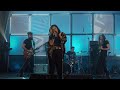
Hello Delaware’s Spotify BioEvolution, progression, expansion, maturation: Growth is the key component of Hello Delaware. What has been lost—one guitar, some folk phrasing, a lot of twang—has been replaced by rock chords, driving percussion and the assured confidence of a band that knows what it wants.
When Dana Beeler became Hello Delaware, it was a way to open up more onstage and step fully into the role of front person. She ditched her guitar—which had already morphed from acoustic to electric—completely, pulled the microphone from its stand and wailed songs of regret and rage directly into her listeners’ faces. The first album under that name, My Mistake, was recorded mid-change, with songs she’d written on her own.
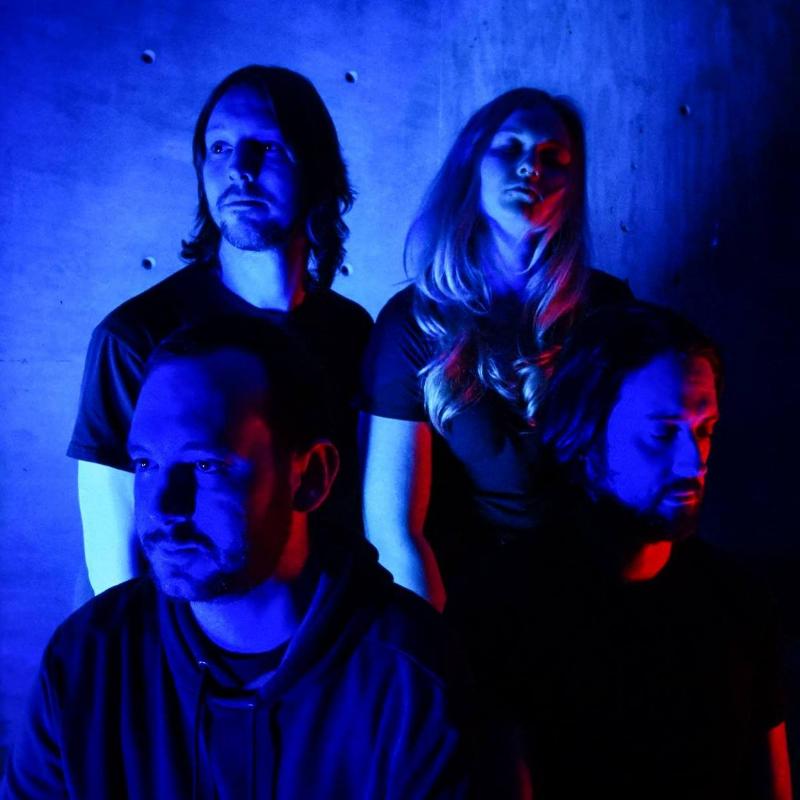
The songs that have come since have been co-writes, full-band collaborations that begin with Beeler’s words and melodic input from the guitarist, Aaron Green. Taking inspiration from Gwen Stefani, Weaves, and UK bands like The Vaccines & The Big Moon, Beeler and Green present the music to the killer… rhythm section, bassist Tori Cameron and drummer Eamonn Slattery, glues it all together.
New songs, literally plucked from Beeler’s dreams, molded into art by the band and produced by In-Flight Safety’s John Mullane. Singles from the to be released sophomore record, Now Now will be sprinkled throughout 2021.
Viberate is a music analytics platform built for A&Rs, artist managers, labels, booking agents, marketers, and artists.
It helps music professionals track artist growth, analyze audience data, monitor playlist activity, compare artists, follow song performance, and identify opportunities across the music market.
Public artist pages provide a free preview of selected artist data. Paid plans provide access to deeper analytics, historical data, charts, comparisons, playlist tools, exports, alerts, reports, and additional professional features.
Yes. Public Viberate artist pages provide selected artist analytics and music data for free.
Viberate also offers a 7-day free trial of the full platform. A credit card is required to start the trial. The trial includes access to the complete product so users can test deeper artist analytics, historical views, playlist insights, comparisons, charts, exports, alerts, and reporting features before choosing a paid plan.
Viberate provides artist analytics across streaming, playlists, social media, video, radio airplay, songs, and audience markets.
Users can analyze Spotify performance, Spotify and Apple Music playlists, YouTube activity, TikTok and Instagram growth, radio spins, song performance, audience locations, demographics, rankings, and overall artist momentum.
Artist profiles also connect to music charts, similar artists, and comparison tools, helping users benchmark performance and evaluate artists in context.
Viberate updates key artist and track data daily.
For followed artists and tracks, selected data is refreshed multiple times per day. This helps teams monitor playlist changes, streaming movement, audience growth, releases, and campaign performance with more current data.
Update frequency can vary depending on the metric and data source.
Yes. Viberate lets users compare up to five artists side by side across streaming, social media, audience, and engagement metrics.
Users can compare fanbase growth, audience demographics, locations, Spotify performance, social metrics, and other artist data over selected time periods.
Artist comparison can be used for A&R scouting, benchmarking, booking decisions, campaign planning, and evaluating artists with similar audiences or market positions.