 Viberate
Heitor Villa-Lobos
 BRAClassical, Classical Crossover, Neoclassical
N/A monthly listeners
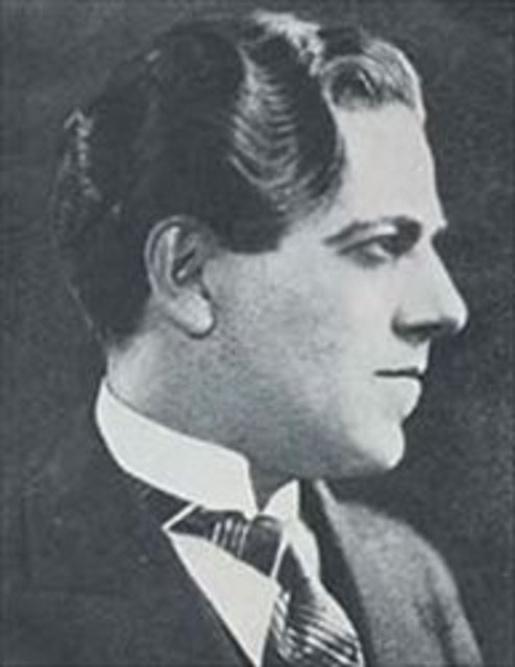 BRAClassical, Classical Crossover, Neoclassical

Heitor Villa-Lobos was a Brazilian composer known for his contributions to classical music and classical crossover. Born in Brazil, he blended traditional Brazilian folk music with classical forms, creating a unique sound that resonated with many. His works reflect a rich cultural heritage, often incorporating elements from nature and Brazilian rhythms. Villa-Lobos’s innovative style has earned him a lasting place in the world of music, influencing generations of musicians and composers. His legacy continues to inspire those who appreciate the beauty of classical and crossover genres.
Heitor Villa-Lobos created a range of notable works that blend classical elements with Brazilian music. One of his standout pieces is “Bachianas Brasileiras No. 5, W389: I. Cantilena,” which captures a unique blend of styles. Another significant work is “La Torre Bermeja,” showcasing his ability to incorporate different musical traditions.
Other tracks like “Prelude No. 1,” “Suite populaire bresilienne: I. Mazurka choro,” and “Bachianas brasileiras No. 6: I. Aria: Choro” also highlight his diverse influences. “Bachianas brasileiras No. 5: II. Danza: Martelo” and “A Maré Encheu” further illustrate his exploration of rhythm and melody.
The haunting “Bachianas Brasileiras No.5: Aria (Cantilena)” and “Mazurka-Choro” round out his repertoire, offering listeners a glimpse into his musical vision. Each piece reflects his innovative approach to composition and the merging of cultures in his work.
Heitor Villa-Lobos continues to resonate in the classical music scene with his recent works. The album "Rising Stars - The Classical Vanguard (2025)" showcases a collection of pieces that reflect his unique style, appealing to both traditional and contemporary listeners. Another notable release is "Dreams" from the "Classical Moods (2025)" compilation, where Villa-Lobos’ compositions blend seamlessly into modern contexts.
His latest single, "Villa-Lobos: Cinq Préludes, W. 419: No. 2, Homenagem ao Malandro Carioca (2025)," captures listeners with its intricate melodies. Additionally, "Villa-Lobos: 5 Preludes – II. Andantino (2025)" offers a tender exploration of piano textures. Earlier in 2024, he released "Villa-Lobos: 5 Preludes, W419, A419: No. 3 in A Minor (Homage to Bach)" and "Villa-Lobos: 12 Etudes, W235: No. 9 in F-Sharp Minor, Très peu animé," both of which showcase his talent for blending classical forms with innovative expression. These releases highlight Villa-Lobos' continued influence in the classical and classical crossover genres.
Heitor Villa-Lobos collaborated with various musicians to create notable pieces. The track “La Torre Bermeja” showcases contributions from Johann Sebastian Bach, Isaac Albéniz, and Manuel Ponce, blending different styles and influences. This collaboration highlights Villa-Lobos's ability to weave traditional elements with his own distinct voice.
Another significant piece is “Cinq préludes, W 419: No. 1, Homenagem ao Sertanejo brasileiro,” performed with Giulia Ballaré. This work reflects a homage to Brazilian folk music, combining classical techniques with regional sounds.
Villa-Lobos's “Bachianas brasileiras No. 4, W424: III. Ária,” featuring the Odense Symphony Orchestra, further emphasizes his innovative approach. The orchestral arrangement brings depth to the composition, intertwining classical and Brazilian musical traditions.
Other collaborations include “Prelude No. 1 for Guitar Solo” with Rafael Aguirre and “Douze Études: No. 1 Allegro non troppo” with Georg Gulyás. Each piece showcases Villa-Lobos's versatility and his ability to connect with other musicians across genres.
Viberate is a professional music analytics service that provides a complete data overview of Heitor Villa-Lobos, covering audience data, Spotify playlists and stats, individual track performance, and cross-platform metrics including Spotify, YouTube, streaming, and radio airplay analytics. The platform also includes full social media analytics across Instagram, TikTok, and Facebook, as well as insights from Apple Music playlists, SoundCloud, Beatport, Shazam, and Deezer, alongside artist charts, streaming charts, genre charts, and genre analytics to support A&R discovery, benchmarking, and strategic decision-making.
