Heimataerde

Electronic
Other Electronic Music
 Viberate Rank: 153107
 Viberate Rank: 153107
 Monthly ListenersFollowers
 Subscribers
 Followers
 Followers
 FansTop Spotify Songs
| Track | 7-Day Streams | |
|---|---|---|
1 | 1.15K | |
2 | 845 | |
3 | 689 | |
4 | 610 | |
5 | 542 |
Top YouTube VideosMonthly ListenersFeatured in Playlists| Playlist | Followers | |
|---|---|---|
1 |  Gothic Club Hits: Goth, Darkwave, Deathrock, EBM & Industrial netti | 29.18K |
2 |  ☣ DARK ELETRO | EBM | INDUSTRIAL | CYBER GOTH | CYBERPUNK| DARKTECHNO | CYBERTECHNO | AGGROTECH Allan_Dark | 26.38K |
3 | EBM, Dark-Electro & Futurepop kruugz | 8.03K |
4 |  This Is Hocico Spotify | 6.22K |
5 |  Gothy Dark Electro Dance Club Sin Fox | 6.20K |
Audience| City | Monthly Listeners | |
|---|---|---|
1 | | 694 |
2 | | 485 |
3 | | 478 |
4 | | 456 |
5 | | 421 |
See full performance history, audience data, playlist activity, rankings, comparisons, and more in Viberate music analytics. Start with a free trial, then continue with a paid plan.
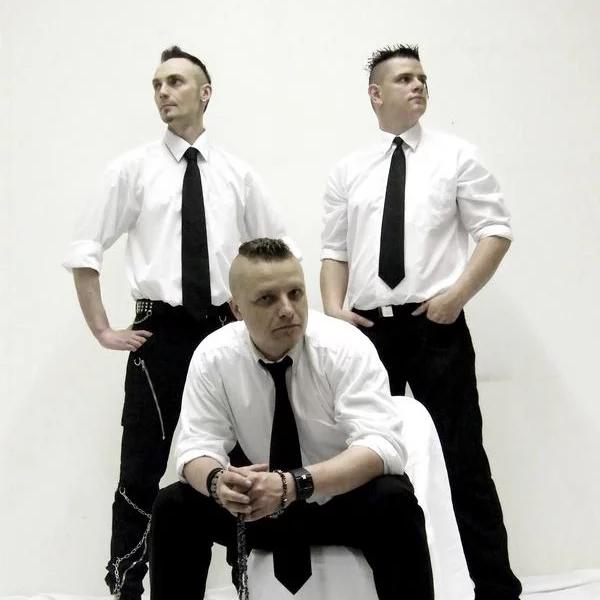
Heimataerde’s Spotify BioThe Templar-obsessed electro-industrial group Heimataerde ("Home Soil") cleverly combined three separate yet related genres from Germany’s "dark scene" to create something that was both fresh and new, yet rooted in the distant past. Their use of medieval instruments (most notably bagpipes) and melodies was not unique in itself. The subgenre of Mittelalter-Rock ("medieval rock") had already been popular in Germany for many years, with bands such as Subway to Sally, Schandmaul, and Letzte Instanz regularly topping the indie charts, but no one had thought to incorporate medieval music with electro-industrial before.
Begun in 2004 as the solo project of one DJ Ash, Heimataerde released its debut EP Ich Hab die Nacht Getraeumet ("I Dreamed the Night"), which was an immediate success. He signed with the influential labels Infacted in Germany and Metropolis in the United States. Under the Heimataerde moniker, he released an album a year between 2005 and 2007 -- Gotteskrieger ("Warrior of… God"), Kadavergehorsam ("Blind Obedience"), and Leben Geben, Leben Nehmen ("To Give Life, To Take Life") -- this last featuring their unsurpassable club hit "Vater" ("Father"), arguably one of the best electro-industrial songs ever recorded. Each album showcased an increasingly sophisticated songwriting technique and production standards, while furthering the ongoing conceptual storyline of a fallen and cursed Templar knight, Ashlar von Megalon, who wanders the darkness in an eternal quest for meaning and redemption.
After initially refusing to play live, DJ Ash finally consented to appear at 2007’s Wave-Gotik-Treffen, the world’s leading "dark scene" festival, and recruited a full band complete with guitar player, keyboardist, and piper. Their unswerving, absolute commitment to all aspects of the concept is truly commendable. Each of the albums furthers the story; all feature exquisite artwork; the first three include chapters of the story, in pages of dense text which take up most of the booklet; while the next two are available as special editions, each of which features an additional CD filled with a fully dramatized audio book complete with music and sound effects. The band even adopted the personae of the Templar knights in the story, complete with medieval names ("Ansgar von Hucretha"), and appeared on-stage garbed in full Templar costume, chain mail, and brandishing swords and shields, all without a hint of irony.
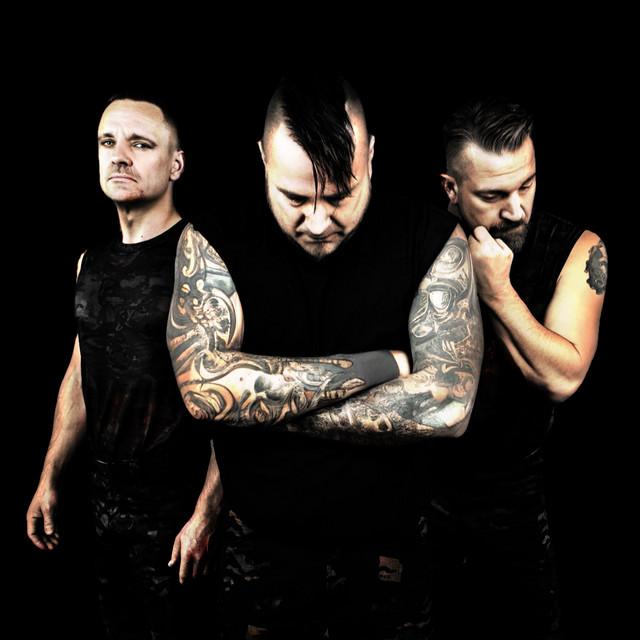
In 2010, after a break of three years, the full band appeared for the first time on an album, Unwesen ("Mischief"). The disc incorporated some Middle Eastern instrumentation and, with the addition of the heavy guitars, their sound took on some of the characteristics of another popular German subgenre, NDH (Neue Deutsche Härte, "New German Hardness", which encompasses acts such as Rammstein and Oomph!), allowing Heimataerde to cross over to that style’s huge audience. In 2012, buoyed by their ever-increasing success, they moved to German metal label Golden Core -- part of the huge ZYX entertainment corporation -- which released their fifth album, Gottgleich ("Godlike"). ~ John D. Buchanan, Rovi
Viberate is a music analytics platform built for A&Rs, artist managers, labels, booking agents, marketers, and artists.
It helps music professionals track artist growth, analyze audience data, monitor playlist activity, compare artists, follow song performance, and identify opportunities across the music market.
Public artist pages provide a free preview of selected artist data. Paid plans provide access to deeper analytics, historical data, charts, comparisons, playlist tools, exports, alerts, reports, and additional professional features.
Yes. Public Viberate artist pages provide selected artist analytics and music data for free.
Viberate also offers a 7-day free trial of the full platform. A credit card is required to start the trial. The trial includes access to the complete product so users can test deeper artist analytics, historical views, playlist insights, comparisons, charts, exports, alerts, and reporting features before choosing a paid plan.
Viberate provides artist analytics across streaming, playlists, social media, video, radio airplay, songs, and audience markets.
Users can analyze Spotify performance, Spotify and Apple Music playlists, YouTube activity, TikTok and Instagram growth, radio spins, song performance, audience locations, demographics, rankings, and overall artist momentum.
Artist profiles also connect to music charts, similar artists, and comparison tools, helping users benchmark performance and evaluate artists in context.
Viberate updates key artist and track data daily.
For followed artists and tracks, selected data is refreshed multiple times per day. This helps teams monitor playlist changes, streaming movement, audience growth, releases, and campaign performance with more current data.
Update frequency can vary depending on the metric and data source.
Yes. Viberate lets users compare up to five artists side by side across streaming, social media, audience, and engagement metrics.
Users can compare fanbase growth, audience demographics, locations, Spotify performance, social metrics, and other artist data over selected time periods.
Artist comparison can be used for A&R scouting, benchmarking, booking decisions, campaign planning, and evaluating artists with similar audiences or market positions.