Heavens Gate

Metal
Heavy Metal
Power Metal
 Viberate Rank: 161116
 Viberate Rank: 161116
 Monthly ListenersFollowers
 Subscribers
 Followers
 Followers
 FansTop Spotify Songs
| Track | 7-Day Streams | |
|---|---|---|
1 | 3.13K | |
2 | 2.63K | |
3 | 1.17K | |
4 | 1.16K | |
5 | 1.16K |
Top YouTube VideosMonthly ListenersFeatured in Playlists| Playlist | Followers | |
|---|---|---|
1 |  Power Speed and Metal Chris Entonie | 38.53K |
2 |  Metal Instrumentals Samidhya Sarker Torsho | 18.16K |
3 |  SPEED METAL ATTACK electric_warfare | 10.40K |
4 |  Hårdrock !! Markus Hårdis Andersson | 8.34K |
5 |  Wacken Open Air 2027 TheKingKai | 7.65K |
Audience| City | Monthly Listeners | |
|---|---|---|
1 |  | 621 |
2 |  | 572 |
3 |  | 548 |
4 |  | 286 |
5 |  | 282 |
See full performance history, audience data, playlist activity, rankings, comparisons, and more in Viberate music analytics. Start with a free trial, then continue with a paid plan.
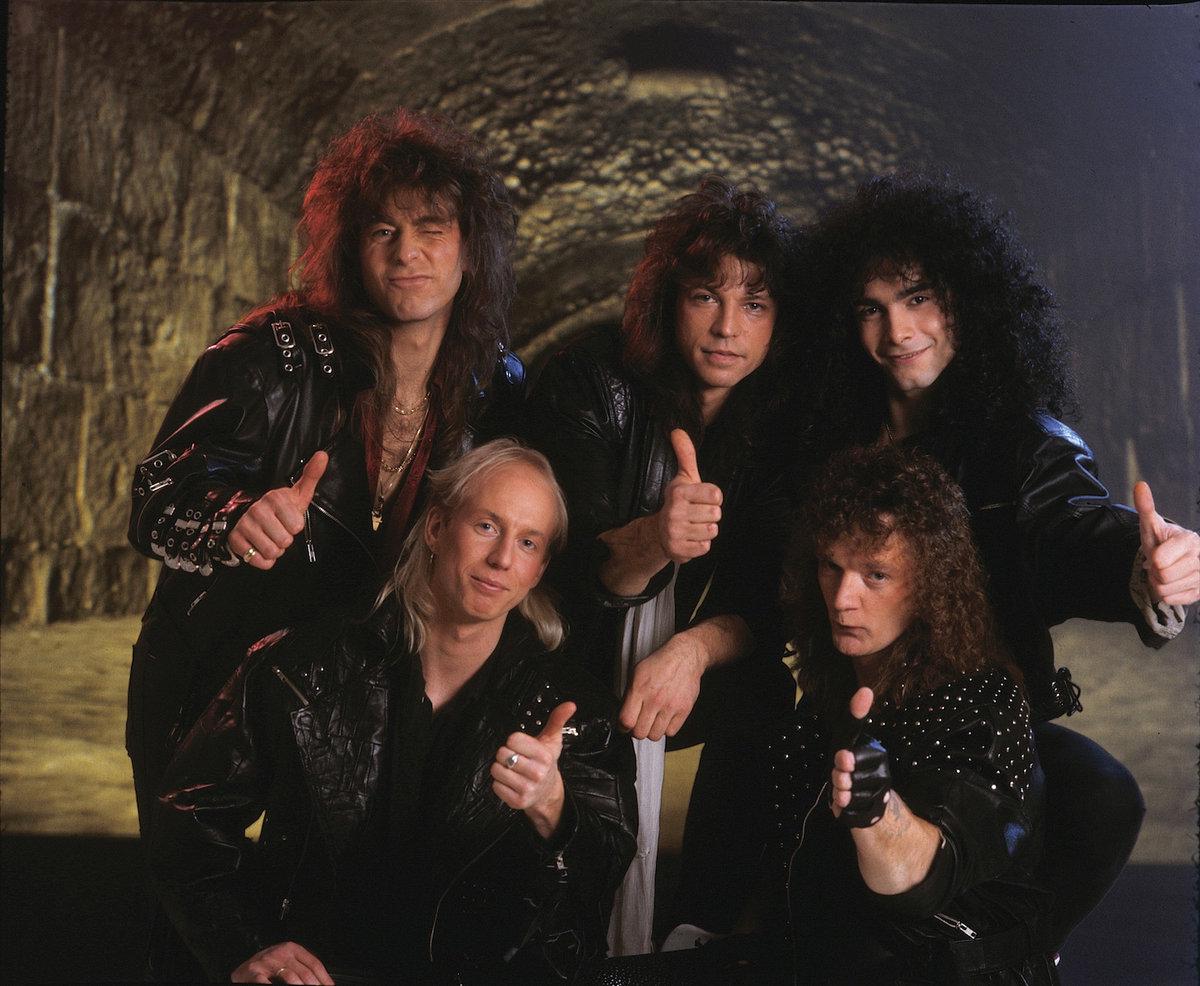
Heavens Gate’s Spotify BioHeaven's Gate were a German power metal band formed in 1987 from the ashes of an earlier group named Steeltower, where vocalist Thomas Rettke and drummer Thorsten Mueller achieved little recognition despite putting in almost five years of work and releasing an album in 1984. They would be far more fortunate with Heaven's Gate (also featuring guitarists Bonny Bilski, Sascha Paeth, and bassist Manni Jordan), which capitalized on the late-'80s and early-'90s power metal craze with solid efforts like In Control (1989), Open the Gate and Watch (EP, 1990), Livin' in Hysteria (1991), More Hysteria (EP, 1992), and Hell for Sale (1992). Their momentum finally tapered off after 1993's Live for Sale album, and when they returned for a final pair of LPs in 1996's Planet E and 1999's Menergy (introducing new bass player Robert Hunecke-Rizzo), Heaven's Gate were experimenting with a darker, less accessible style of songwriting, which didn't go over well with their old fans. The group had apparently… run its course anyway, and broke up shortly thereafter, opening the door for guitarist Paeth to become a highly successful heavy metal producer in the years that followed. ~ Eduardo Rivadavia, Rovi
Viberate is a music analytics platform built for A&Rs, artist managers, labels, booking agents, marketers, and artists.
It helps music professionals track artist growth, analyze audience data, monitor playlist activity, compare artists, follow song performance, and identify opportunities across the music market.
Public artist pages provide a free preview of selected artist data. Paid plans provide access to deeper analytics, historical data, charts, comparisons, playlist tools, exports, alerts, reports, and additional professional features.
Yes. Public Viberate artist pages provide selected artist analytics and music data for free.
Viberate also offers a 7-day free trial of the full platform. A credit card is required to start the trial. The trial includes access to the complete product so users can test deeper artist analytics, historical views, playlist insights, comparisons, charts, exports, alerts, and reporting features before choosing a paid plan.
Viberate provides artist analytics across streaming, playlists, social media, video, radio airplay, songs, and audience markets.
Users can analyze Spotify performance, Spotify and Apple Music playlists, YouTube activity, TikTok and Instagram growth, radio spins, song performance, audience locations, demographics, rankings, and overall artist momentum.
Artist profiles also connect to music charts, similar artists, and comparison tools, helping users benchmark performance and evaluate artists in context.
Viberate updates key artist and track data daily.
For followed artists and tracks, selected data is refreshed multiple times per day. This helps teams monitor playlist changes, streaming movement, audience growth, releases, and campaign performance with more current data.
Update frequency can vary depending on the metric and data source.
Yes. Viberate lets users compare up to five artists side by side across streaming, social media, audience, and engagement metrics.
Users can compare fanbase growth, audience demographics, locations, Spotify performance, social metrics, and other artist data over selected time periods.
Artist comparison can be used for A&R scouting, benchmarking, booking decisions, campaign planning, and evaluating artists with similar audiences or market positions.