Headscan

Electronic
Dance
Other Electronic Music
 Viberate Rank: 420851
 Viberate Rank: 420851
 Monthly ListenersFollowers
 Subscribers
 Followers
 Followers
 FansTop Spotify Songs
| Track | 7-Day Streams | |
|---|---|---|
1 | 51 | |
2 | 51 | |
3 | 34 | |
4 | 21 | |
5 | 20 |
Top YouTube VideosMonthly ListenersFeatured in Playlists| Playlist | Followers | |
|---|---|---|
1 |  Gothy Dark Electro Dance Club Sin Fox | 6.20K |
2 | Industrial Aggrotech | Dark Electro Dance | Harsh EBM | Hellectro by DARKLARK darklark | 4.79K |
3 |  The Sound of Cyberpunk The Sounds of Spotify | 2.15K |
4 | Futurepop / Synthpop DJBlackFlagg | 1.68K |
5 |  The Sound of Electro-Industrial The Sounds of Spotify | 1.53K |
Audience| City | Monthly Listeners | |
|---|---|---|
1 | | 10 |
2 |  | 7 |
3 | | 7 |
4 |  | 6 |
5 | | 4 |
See full performance history, audience data, playlist activity, rankings, comparisons, and more in Viberate music analytics. Start with a free trial, then continue with a paid plan.
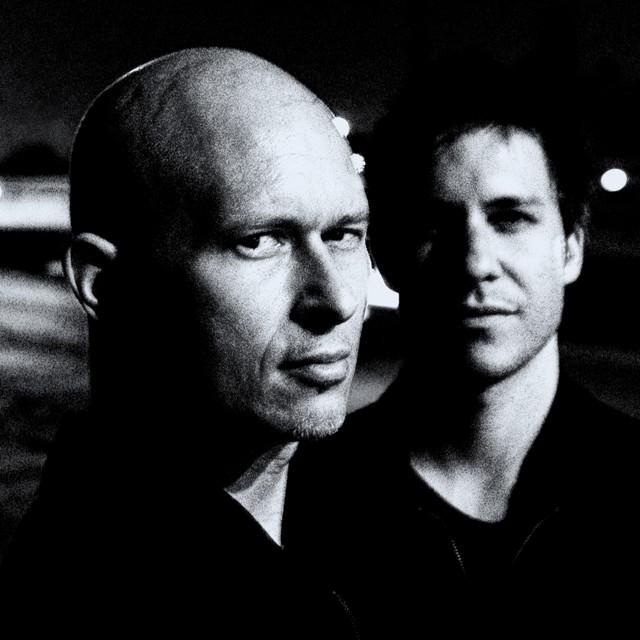
Headscan’s Spotify BioHeadscan is a Canadian music duo, composed of electronic musician Claude Charnier and singer Christian Pomerleau, based in Montreal, Quebec.
They both have been active on the alternative music scene for many years, from 1992 to 1999 within the techno industrial outfit Insurgent, then as Headscan from 1999 to 2010.
The pair then took a hiatus from Headscan, working on other artistic endeavours such as Gridspace, Christian’s multimedia entertainment studio, and as Aether Pilot, Claude’s retro-futurist musical project. They maintained a close relationship and collaborated on each other's projects during those years leading up to 2020.
A collaborative work and a multidisciplinary project, Headscan is a shared vision intended as a synthesis of observations and reflections pertaining to human behaviour, cultural evolution and the impact of information technologies on modern society.
Viberate is a music analytics platform built for A&Rs, artist managers, labels, booking agents, marketers, and artists.
It helps music professionals track artist growth, analyze audience data, monitor playlist activity, compare artists, follow song performance, and identify opportunities across the music market.
Public artist pages provide a free preview of selected artist data. Paid plans provide access to deeper analytics, historical data, charts, comparisons, playlist tools, exports, alerts, reports, and additional professional features.
Yes. Public Viberate artist pages provide selected artist analytics and music data for free.
Viberate also offers a 7-day free trial of the full platform. A credit card is required to start the trial. The trial includes access to the complete product so users can test deeper artist analytics, historical views, playlist insights, comparisons, charts, exports, alerts, and reporting features before choosing a paid plan.
Viberate provides artist analytics across streaming, playlists, social media, video, radio airplay, songs, and audience markets.
Users can analyze Spotify performance, Spotify and Apple Music playlists, YouTube activity, TikTok and Instagram growth, radio spins, song performance, audience locations, demographics, rankings, and overall artist momentum.
Artist profiles also connect to music charts, similar artists, and comparison tools, helping users benchmark performance and evaluate artists in context.
Viberate updates key artist and track data daily.
For followed artists and tracks, selected data is refreshed multiple times per day. This helps teams monitor playlist changes, streaming movement, audience growth, releases, and campaign performance with more current data.
Update frequency can vary depending on the metric and data source.
Yes. Viberate lets users compare up to five artists side by side across streaming, social media, audience, and engagement metrics.
Users can compare fanbase growth, audience demographics, locations, Spotify performance, social metrics, and other artist data over selected time periods.
Artist comparison can be used for A&R scouting, benchmarking, booking decisions, campaign planning, and evaluating artists with similar audiences or market positions.