Headnodic

Jazz
Jazz Fusion
Contemporary Hip Hop
 Viberate Rank: 223716
 Viberate Rank: 223716
 Monthly ListenersFollowers
 Subscribers
 Followers
 Followers
 FansTop Spotify Songs
| Track | 7-Day Streams | |
|---|---|---|
1 | 14.89K | |
2 | 2.96K | |
3 | 1.31K | |
4 | 1.16K | |
5 | 1.10K |
Top YouTube VideosMonthly ListenersFeatured in Playlists| Playlist | Followers | |
|---|---|---|
1 |  Boom Bap Focus Spotify | 375.11K |
2 |  Boom Bap Instrumentals Rodrigo Blazinni | 27.92K |
3 |  Jazzy Hip Hop Smokersblend | 25.86K |
4 |  Funk & Coffee MCCFUNK | 22.11K |
5 | Hip Hop Jazz marcstolz | 17.45K |
Audience| City | Monthly Listeners | |
|---|---|---|
1 | | 271 |
2 |  | 271 |
3 | | 266 |
4 |  | 230 |
5 | | 216 |
See full performance history, audience data, playlist activity, rankings, comparisons, and more in Viberate music analytics. Start with a free trial, then continue with a paid plan.
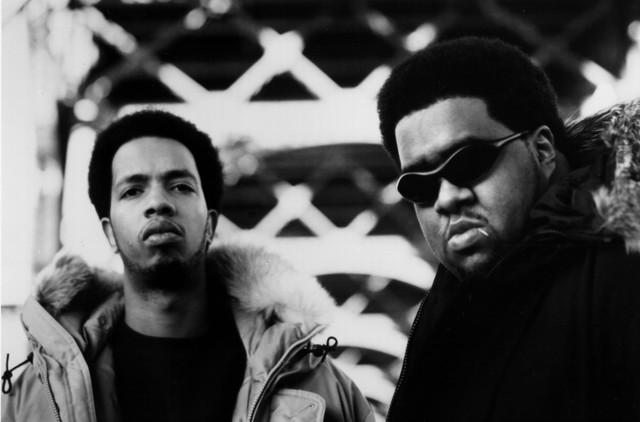
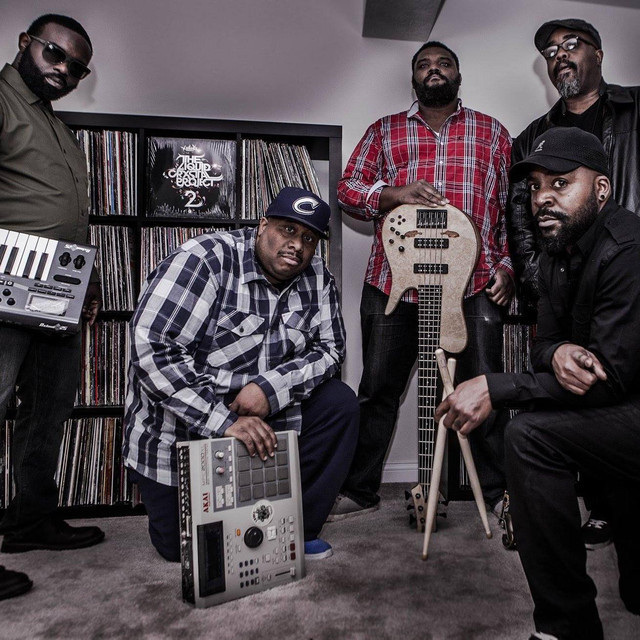
Headnodic’s Spotify BioProducer and bassist Headnodic, aka Ethan Parsonage, was very much influenced by the late-'80s/early-'90s rap scene in New York, where he was raised before moving to the Midwest. Once he figured out he was a better producer than rapper, he taught himself how to do pause tapes and play several instruments, including, of course, the bass. Parsonage eventually moved back to the East Coast to attend the prestigious Berklee College of Music in Boston. There he met the members of what would become the hip-hop band Crown City Rockers, though they were originally called Mission: before 2002. After the Crown City crew settled in Oakland, CA, to begin their recording careers, Headnodic began to indulge in many side projects and make a name for himself as an accomplished producer. He released many instrumental LPs, like the breakbeat album Headnodic Beats, Vol. 1 in 2000 and solo efforts Tuesday and Nemakogen, both released in 2002. In addition to producing beats for Zion I & the Grouch, Mr. J.… Medeiros, and Project Move, he co-founded many collaborative efforts in the mid- to late 2000s: among them were Plate Knife Fork Spoon, a band built around the Crown City Rockers' rhythm section; the Mighty Underdogs with Blackalicious' Gift of Gab and Latyrx member Lateef; and the duo Megaphone with Boston native and ex-Mission: MC Moe Pope. ~ Cyril Cordor, Rovi
Viberate is a music analytics platform built for A&Rs, artist managers, labels, booking agents, marketers, and artists.
It helps music professionals track artist growth, analyze audience data, monitor playlist activity, compare artists, follow song performance, and identify opportunities across the music market.
Public artist pages provide a free preview of selected artist data. Paid plans provide access to deeper analytics, historical data, charts, comparisons, playlist tools, exports, alerts, reports, and additional professional features.
Yes. Public Viberate artist pages provide selected artist analytics and music data for free.
Viberate also offers a 7-day free trial of the full platform. A credit card is required to start the trial. The trial includes access to the complete product so users can test deeper artist analytics, historical views, playlist insights, comparisons, charts, exports, alerts, and reporting features before choosing a paid plan.
Viberate provides artist analytics across streaming, playlists, social media, video, radio airplay, songs, and audience markets.
Users can analyze Spotify performance, Spotify and Apple Music playlists, YouTube activity, TikTok and Instagram growth, radio spins, song performance, audience locations, demographics, rankings, and overall artist momentum.
Artist profiles also connect to music charts, similar artists, and comparison tools, helping users benchmark performance and evaluate artists in context.
Viberate updates key artist and track data daily.
For followed artists and tracks, selected data is refreshed multiple times per day. This helps teams monitor playlist changes, streaming movement, audience growth, releases, and campaign performance with more current data.
Update frequency can vary depending on the metric and data source.
Yes. Viberate lets users compare up to five artists side by side across streaming, social media, audience, and engagement metrics.
Users can compare fanbase growth, audience demographics, locations, Spotify performance, social metrics, and other artist data over selected time periods.
Artist comparison can be used for A&R scouting, benchmarking, booking decisions, campaign planning, and evaluating artists with similar audiences or market positions.