He Comes Later

Metal
Metalcore/Deathcore
Heavy Metal
 Viberate Rank: 673232
 Viberate Rank: 673232
 Monthly ListenersFollowers
 Subscribers
 Followers
 Followers
 FansTop Spotify Songs
| Track | 7-Day Streams | |
|---|---|---|
1 | 14 | |
2 | 6 | |
3 | 4 | |
4 | 2 | |
5 | 2 |
Top YouTube Videos| Video | 7-Day Views | |
|---|---|---|
1 | 5 | |
2 | 3 | |
3 | 3 | |
4 | 2 | |
5 | 2 |
Monthly ListenersFeatured in PlaylistsAudience| City | Monthly Listeners | |
|---|---|---|
1 |  | 3 |
See full performance history, audience data, playlist activity, rankings, comparisons, and more in Viberate music analytics. Start with a free trial, then continue with a paid plan.
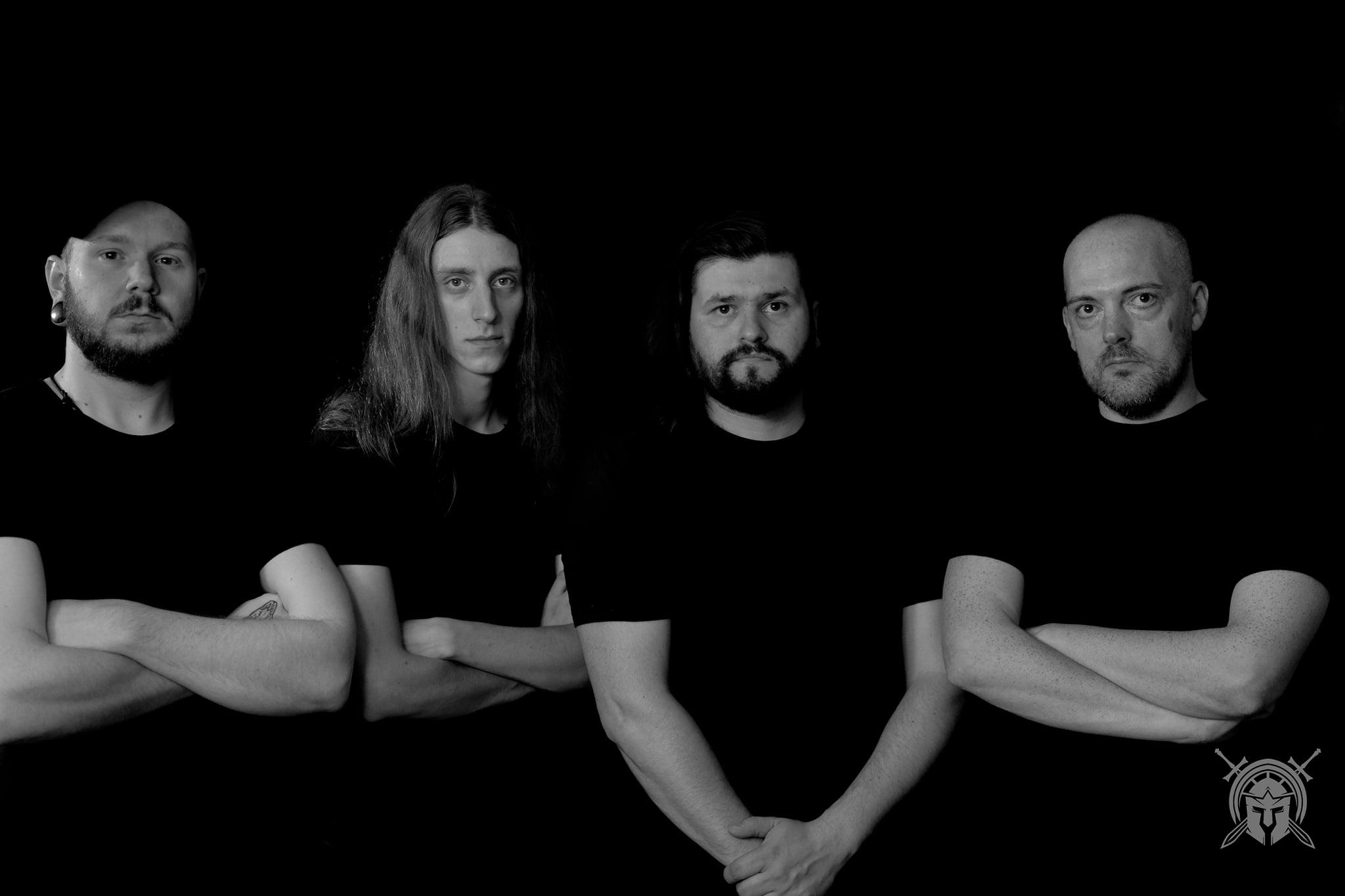
He Comes Later’s Spotify BioHe Comes Later is a deathcore band from Bologna, Italy. The name refers to the fact that the band could not find a vocalist for so many years.
In 2014 they released their first 4 track ep. One year later they released their second ep “Adam: The Decay”: 8 deathcore tracks with synths and electronic sound. The concept was about the weaknesses and sufferance of a man with no name, called Adam after the Biblical character, the first man on the Earth. He decides to commit suicide in the end.
In 2018, after three years of hard work, He Comes Later released their first official album “Cognizance”, a concept album about a near death experience: this time the main character is unknown and he tries to kill himself, but he does not die. On the contrary, it starts an unearthly journey across a new dimension, and he suffers, heals, and meets an ethereal identity. The aim of this journey is to love the gift of life again.
“Cognizance” appeared in the “Rock Hard” Italian magazine as the underground… album of the week.
You can also find two music videos for “Atonement” and “Despondency”, taken from “Cognizance” on Youtube.
He Comes Later don’t like to define themselves as an ordinary deathcore band. They love to experiment, to look for new sounds through ambient and electronic atmospheres.
During years, the band played with many important bands, both Italian and international, as: Despite Exile, BeyondCreation, Traitors, BlackTongue, Aegaeon, MyAutumn, Imminence…
Viberate is a music analytics platform built for A&Rs, artist managers, labels, booking agents, marketers, and artists.
It helps music professionals track artist growth, analyze audience data, monitor playlist activity, compare artists, follow song performance, and identify opportunities across the music market.
Public artist pages provide a free preview of selected artist data. Paid plans provide access to deeper analytics, historical data, charts, comparisons, playlist tools, exports, alerts, reports, and additional professional features.
Yes. Public Viberate artist pages provide selected artist analytics and music data for free.
Viberate also offers a 7-day free trial of the full platform. A credit card is required to start the trial. The trial includes access to the complete product so users can test deeper artist analytics, historical views, playlist insights, comparisons, charts, exports, alerts, and reporting features before choosing a paid plan.
Viberate provides artist analytics across streaming, playlists, social media, video, radio airplay, songs, and audience markets.
Users can analyze Spotify performance, Spotify and Apple Music playlists, YouTube activity, TikTok and Instagram growth, radio spins, song performance, audience locations, demographics, rankings, and overall artist momentum.
Artist profiles also connect to music charts, similar artists, and comparison tools, helping users benchmark performance and evaluate artists in context.
Viberate updates key artist and track data daily.
For followed artists and tracks, selected data is refreshed multiple times per day. This helps teams monitor playlist changes, streaming movement, audience growth, releases, and campaign performance with more current data.
Update frequency can vary depending on the metric and data source.
Yes. Viberate lets users compare up to five artists side by side across streaming, social media, audience, and engagement metrics.
Users can compare fanbase growth, audience demographics, locations, Spotify performance, social metrics, and other artist data over selected time periods.
Artist comparison can be used for A&R scouting, benchmarking, booking decisions, campaign planning, and evaluating artists with similar audiences or market positions.