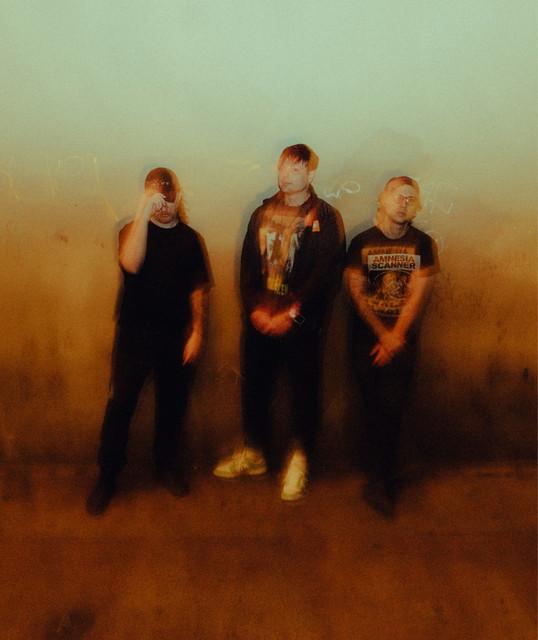
Hawthorne Heights

Rock
Alternative Rock
Pop Punk
 Viberate Rank: 14505
 Viberate Rank: 14505
 Monthly ListenersFollowers
 Subscribers
 Followers
 Followers
 FansTop Spotify Songs
| Track | 7-Day Streams | |
|---|---|---|
1 | 573.64K | |
2 | 150.89K | |
3 | 134.66K | |
4 | 73.91K | |
5 | 59.73K |
Top YouTube Videos| Video | 7-Day Views | |
|---|---|---|
1 | 60.79K | |
2 | 14.74K | |
3 | 13.70K | |
4 | 5.84K | |
5 | 4.62K |
Monthly ListenersFeatured in Playlists| Playlist | Followers | |
|---|---|---|
1 |  Emo Forever Spotify | 1.94M |
2 |  teen angst Spotify | 597.42K |
3 | Divorced Dad Rock Gage Lippold | 479.99K |
4 |  The Scene Spotify | 440.12K |
5 |  Energy Booster Rock Spotify | 417.04K |
Audience| City | Monthly Listeners | |
|---|---|---|
1 | | 32.15K |
2 | | 29.20K |
3 | | 25.75K |
4 | | 23.64K |
5 | | 22.24K |
See full performance history, audience data, playlist activity, rankings, comparisons, and more in Viberate music analytics. Start with a free trial, then continue with a paid plan.
Hawthorne Heights’ Spotify BioHawthorne Heights, formed in Dayton, Ohio in 2001 , built their reputation on emotionally raw songwriting, blending the urgency of post-hardcore with the melodic sensibilities of early 2000s emo and punk. Frontman JT Woodruff’s lyrics often explore themes of distance, identity, and perseverance, drawing on both personal experiences and the band’s deep roots in the alternative music scene.
Throughout their long and storied career, Hawthorne Heights have overcome obstacles at every turn – but these challenges often came from external forces, from unscrupulous record labels and shifting musical trends to unimaginable personal tragedy that threatened to derail them.
Despite the odds, the quartet — JT Woodruff (vocals, guitar), Mark McMillon (guitar, backing vocals), and Matt Ridenour (bass, backing vocals) — has persevered. They’ve earned two Gold albums (The Silence in Black and White, 2004, and If Only You Were Lonely, 2006), written some of the genre’s most enduring anthems (“Ohio Is for… Lovers,” “Saying Sorry”), and remained a relentless touring force nearly two decades after their formation.
In 2026 Hawthorne Heights will be celebrating 20 years of If Only You Were Lonely.
Viberate is a music analytics platform built for A&Rs, artist managers, labels, booking agents, marketers, and artists.
It helps music professionals track artist growth, analyze audience data, monitor playlist activity, compare artists, follow song performance, and identify opportunities across the music market.
Public artist pages provide a free preview of selected artist data. Paid plans provide access to deeper analytics, historical data, charts, comparisons, playlist tools, exports, alerts, reports, and additional professional features.
Yes. Public Viberate artist pages provide selected artist analytics and music data for free.
Viberate also offers a 7-day free trial of the full platform. A credit card is required to start the trial. The trial includes access to the complete product so users can test deeper artist analytics, historical views, playlist insights, comparisons, charts, exports, alerts, and reporting features before choosing a paid plan.
Viberate provides artist analytics across streaming, playlists, social media, video, radio airplay, songs, and audience markets.
Users can analyze Spotify performance, Spotify and Apple Music playlists, YouTube activity, TikTok and Instagram growth, radio spins, song performance, audience locations, demographics, rankings, and overall artist momentum.
Artist profiles also connect to music charts, similar artists, and comparison tools, helping users benchmark performance and evaluate artists in context.
Viberate updates key artist and track data daily.
For followed artists and tracks, selected data is refreshed multiple times per day. This helps teams monitor playlist changes, streaming movement, audience growth, releases, and campaign performance with more current data.
Update frequency can vary depending on the metric and data source.
Yes. Viberate lets users compare up to five artists side by side across streaming, social media, audience, and engagement metrics.
Users can compare fanbase growth, audience demographics, locations, Spotify performance, social metrics, and other artist data over selected time periods.
Artist comparison can be used for A&R scouting, benchmarking, booking decisions, campaign planning, and evaluating artists with similar audiences or market positions.