Have A Nice Life

Rock
Indie Rock
Shoegaze
 Viberate Rank: 28173
 Viberate Rank: 28173
 Monthly ListenersFollowers
 Subscribers
 Followers
 Followers
 FansTop Spotify Songs
| Track | 7-Day Streams | |
|---|---|---|
1 | 275.81K | |
2 | 197.93K | |
3 | 109.19K | |
4 | 85.38K | |
5 | 71.75K |
Top YouTube VideosMonthly ListenersFeatured in Playlists| Playlist | Followers | |
|---|---|---|
1 |  gloomcore Spotify | 375.71K |
2 |  sonder Spotify | 238.72K |
3 |  slowcore Spotify | 212.04K |
4 |  saddest playlist on earth Aidan.Blonde | 194.44K |
5 |  most gut wrenching playlist in the world Nohgl | 177.60K |
Audience| City | Monthly Listeners | |
|---|---|---|
1 | | 13.20K |
2 | | 11.10K |
3 |  | 10.46K |
4 | | 10.28K |
5 | | 8.45K |
See full performance history, audience data, playlist activity, rankings, comparisons, and more in Viberate music analytics. Start with a free trial, then continue with a paid plan.
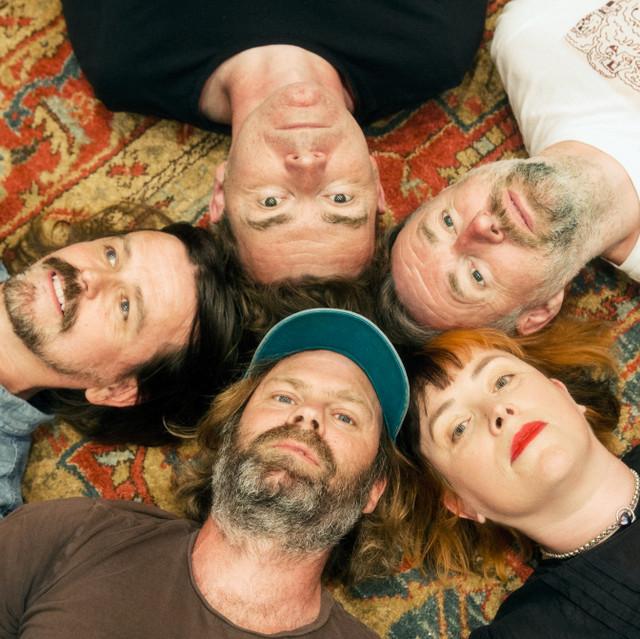
Have A Nice Life’s Spotify BioMixing gloomy ambience with bits of droning shoegaze and an industrial strain of post-punk, Connecticut duo Have a Nice Life rode a wave of grassroots Internet support in the late 2000s and were embraced as champions of the distressed and depressed. Following their self-released 2008 debut, Deathconsciousness, the experimental band's reputation slowly expanded into vaunted cult status, setting the stage for similarly morose releases like 2014's The Unnatural World and the slightly more uptempo Sea of Worry in 2019.
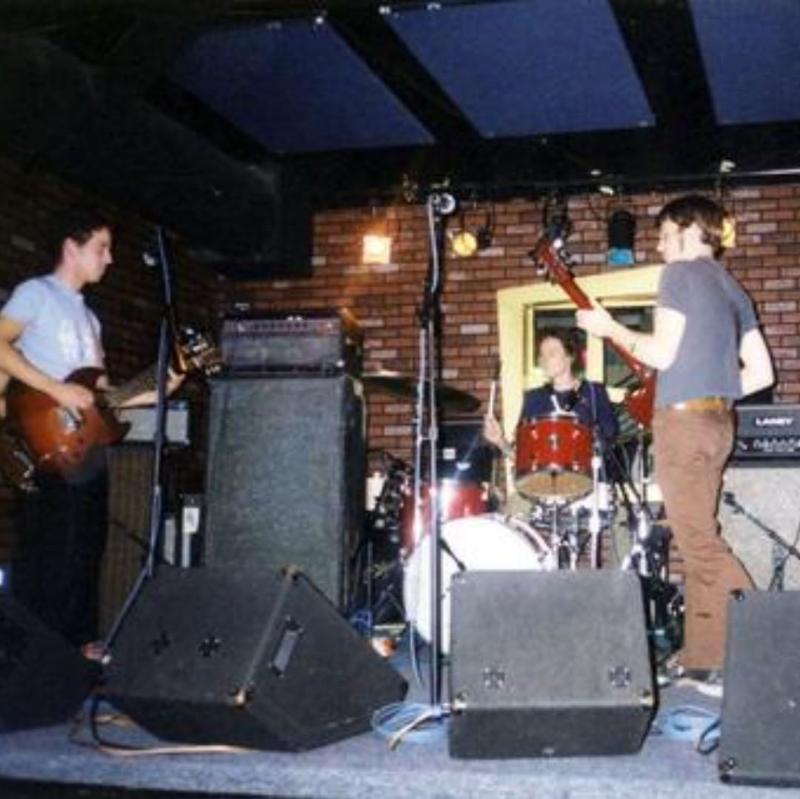
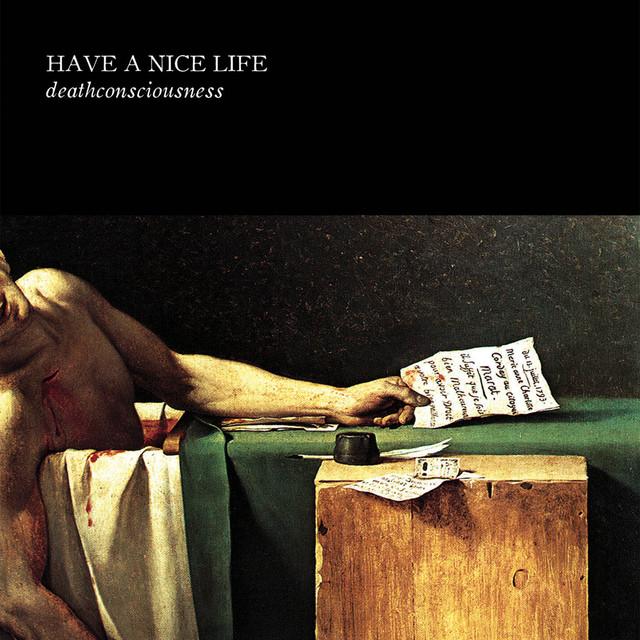
Musicians Dan Barrett and Tim Macuga started out in the mid-2000s, deflating crowds at local open mikes with their usually desolate songs which they soon began recording at home as bits of lo-fi experimentation. Without having any real expectations, they released their first collection, Deathconsciousness, in 2008 on their own Enemies List Home Recordings label. A sprawling double album that careened between ethereal opiate textures, dark-hued post-rock, shoegaze, and… melancholic post-punk, the album had no publicity campaign to speak of, but thanks to online communities like Sputnikmusic and 4chan's /mu/, it took on a life of its own, surprising Barrett and Macuga with the ferocity of its supporters. Emo-rapper Lil Peep even sampled the opening track, giving Have a Nice Life additional cred and exposure. The band played live sporadically, releasing a follow-up EP, Time of Land, in 2010 before teaming up with West Coast outsider label the Flenser to deliver their next album, The Unnatural World, in 2014. The album doubled down on the noise and goth sides of Have a Nice Life's sound and was well-received by their fervent fan base. Meanwhile, they continued to manage their Enemies List label, releasing like-minded albums that catered to their brand of doom rock. A more energetic-sounding third full-length, Sea of Worry, appeared in 2019 in conjunction with the Flenser label. ~ Timothy Monger, Rovi
Viberate is a music analytics platform built for A&Rs, artist managers, labels, booking agents, marketers, and artists.
It helps music professionals track artist growth, analyze audience data, monitor playlist activity, compare artists, follow song performance, and identify opportunities across the music market.
Public artist pages provide a free preview of selected artist data. Paid plans provide access to deeper analytics, historical data, charts, comparisons, playlist tools, exports, alerts, reports, and additional professional features.
Yes. Public Viberate artist pages provide selected artist analytics and music data for free.
Viberate also offers a 7-day free trial of the full platform. A credit card is required to start the trial. The trial includes access to the complete product so users can test deeper artist analytics, historical views, playlist insights, comparisons, charts, exports, alerts, and reporting features before choosing a paid plan.
Viberate provides artist analytics across streaming, playlists, social media, video, radio airplay, songs, and audience markets.
Users can analyze Spotify performance, Spotify and Apple Music playlists, YouTube activity, TikTok and Instagram growth, radio spins, song performance, audience locations, demographics, rankings, and overall artist momentum.
Artist profiles also connect to music charts, similar artists, and comparison tools, helping users benchmark performance and evaluate artists in context.
Viberate updates key artist and track data daily.
For followed artists and tracks, selected data is refreshed multiple times per day. This helps teams monitor playlist changes, streaming movement, audience growth, releases, and campaign performance with more current data.
Update frequency can vary depending on the metric and data source.
Yes. Viberate lets users compare up to five artists side by side across streaming, social media, audience, and engagement metrics.
Users can compare fanbase growth, audience demographics, locations, Spotify performance, social metrics, and other artist data over selected time periods.
Artist comparison can be used for A&R scouting, benchmarking, booking decisions, campaign planning, and evaluating artists with similar audiences or market positions.