Hate Handles

Metal
Death Metal
Heavy Metal
 Viberate Rank: 786868
 Viberate Rank: 786868
 Monthly ListenersFollowers
 Subscribers
 Followers
 Followers
 FansTop Spotify Songs
| Track | 7-Day Streams | |
|---|---|---|
1 | 3 | |
2 | 2 | |
3 | 1 | |
4 | 1 | |
5 | 1 |
Top YouTube VideosMonthly ListenersFeatured in Playlists| Playlist | Followers | |
|---|---|---|
1 | Modern Thrash Metal Ben Brodie | 2.02K |
Audience| City | Monthly Listeners | |
|---|---|---|
1 | | 3 |
See full performance history, audience data, playlist activity, rankings, comparisons, and more in Viberate music analytics. Start with a free trial, then continue with a paid plan.
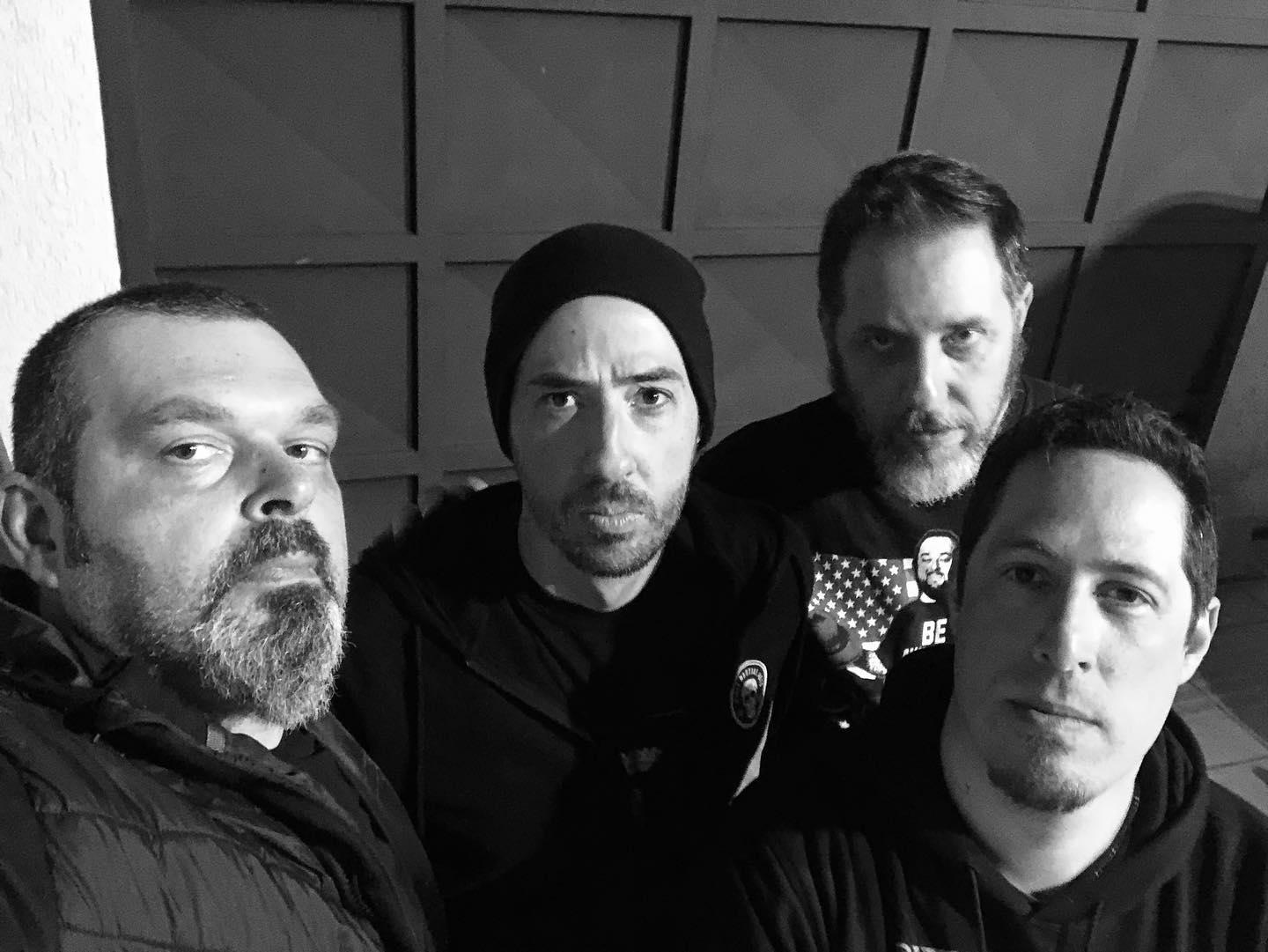
Hate Handles’ Spotify BioHH initially started out from a project called Blast which didn't have a defined style. We used to play covers of bands that influenced us, like Pantera, Lamb of God, Dream Theater and Ozzy Osbourne.
After some years of hard studies and musical improvements, the project Hate Handles came to fruition. From the beginning the focus has always been to create a unique sound.
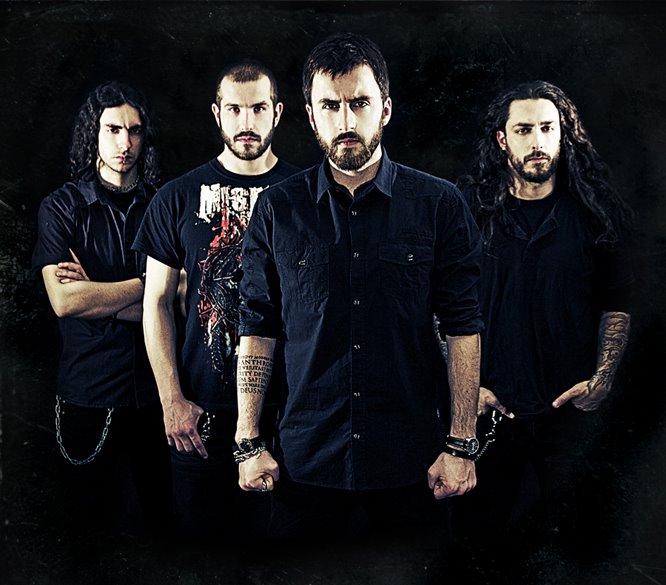
Members Maicon (guitar) and Jonatan (drums) grew up together (musically speaking) and have maintained musical projects since high school, around 2004. Matheus (bass) joined the band Blast from 2006 to 2010, and that was when Charles (vocals) joined forces with HH in 2011.
Music writing/Recordings:
Before starting writing, we discussed a lot which the goals should be, what we wanted to sound like, what we meant to say, what image to convey. We all have specific influences, but we never intended for them to be easily noticed.
Album:
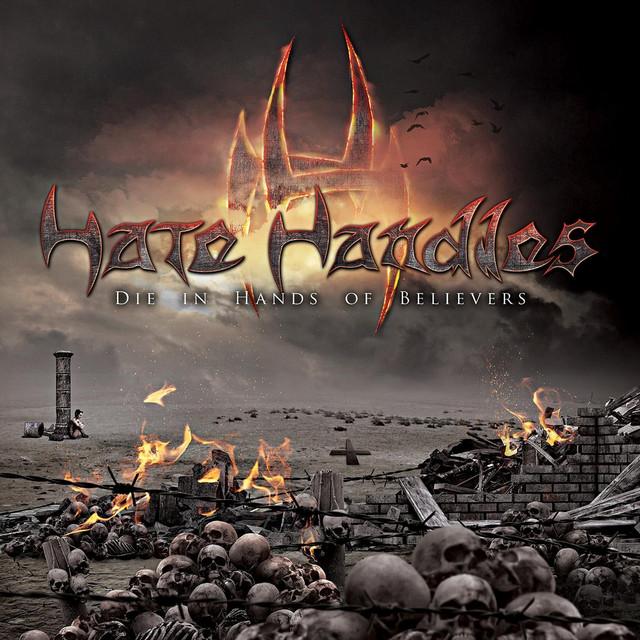
We entered the studio for the first recordings in early 2012. Initially it was to be just a… demo, but the project evolved, and became the album "Die in Hands of Believers". The album has 9 tracks and we worked hard in order for all of these to have a unique sound. Through every riff and rhythm, we wanted to convey energy, a feeling of restlessness and a strong expression by using the melodic and rhythmic elements that are our characteristics.
Ideologically, the album features our message against religious and political repression.
Viberate is a music analytics platform built for A&Rs, artist managers, labels, booking agents, marketers, and artists.
It helps music professionals track artist growth, analyze audience data, monitor playlist activity, compare artists, follow song performance, and identify opportunities across the music market.
Public artist pages provide a free preview of selected artist data. Paid plans provide access to deeper analytics, historical data, charts, comparisons, playlist tools, exports, alerts, reports, and additional professional features.
Yes. Public Viberate artist pages provide selected artist analytics and music data for free.
Viberate also offers a 7-day free trial of the full platform. A credit card is required to start the trial. The trial includes access to the complete product so users can test deeper artist analytics, historical views, playlist insights, comparisons, charts, exports, alerts, and reporting features before choosing a paid plan.
Viberate provides artist analytics across streaming, playlists, social media, video, radio airplay, songs, and audience markets.
Users can analyze Spotify performance, Spotify and Apple Music playlists, YouTube activity, TikTok and Instagram growth, radio spins, song performance, audience locations, demographics, rankings, and overall artist momentum.
Artist profiles also connect to music charts, similar artists, and comparison tools, helping users benchmark performance and evaluate artists in context.
Viberate updates key artist and track data daily.
For followed artists and tracks, selected data is refreshed multiple times per day. This helps teams monitor playlist changes, streaming movement, audience growth, releases, and campaign performance with more current data.
Update frequency can vary depending on the metric and data source.
Yes. Viberate lets users compare up to five artists side by side across streaming, social media, audience, and engagement metrics.
Users can compare fanbase growth, audience demographics, locations, Spotify performance, social metrics, and other artist data over selected time periods.
Artist comparison can be used for A&R scouting, benchmarking, booking decisions, campaign planning, and evaluating artists with similar audiences or market positions.