Hatchback

Electronic
Other Electronic Music
 Viberate Rank: 409687
 Viberate Rank: 409687
 Monthly ListenersFollowers
 Subscribers
 Followers
 Followers
 FansTop Spotify Songs
| Track | 7-Day Streams | |
|---|---|---|
1 | 167 | |
2 | 131 | |
3 | 130 | |
4 | 61 | |
5 | 42 |
Top YouTube VideosMonthly ListenersFeatured in Playlists| Playlist | Followers | |
|---|---|---|
1 |  INSTRUMENTAL MUSIC TO WORK TO: Chill, Ambient, Electronic Instrumental Mix Keats Handwriting | 51.84K |
2 |  1 Lo-Fi/Lounge/Chill/Bossanova/Jazz/Deep House ( Musique Relaxante ) vnhimself | 9.27K |
3 |  bali beach life ~ ku de ta Eelco Falkena | 9.17K |
4 |  Balearic Chris Coco | 7.30K |
5 |  Soma FM | Groove Salad Luuk Kielen | 5.34K |
Audience| City | Monthly Listeners | |
|---|---|---|
1 |  | 66 |
2 |  | 24 |
3 | | 22 |
4 |  | 21 |
5 | | 20 |
See full performance history, audience data, playlist activity, rankings, comparisons, and more in Viberate music analytics. Start with a free trial, then continue with a paid plan.
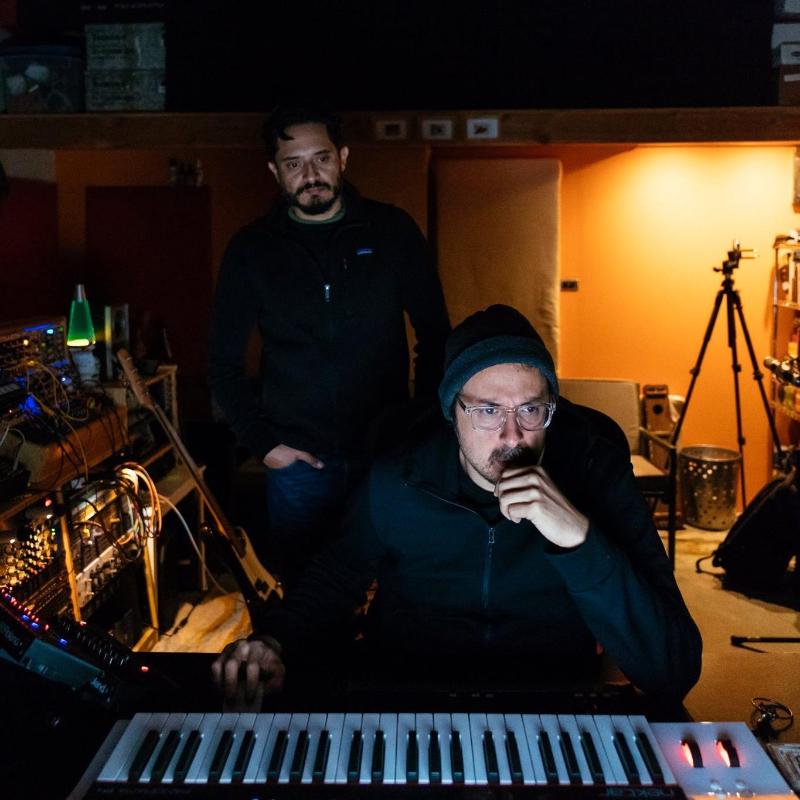
Hatchback’s Spotify BioHatchback is the nom du disque of Samuel Milton Grawe, a lifelong music lover and creator of expansive, evocative, easygoing electronic epics. Often associated with the cosmic disco or nu-Balearic scene, his music often seems more informed by Krautrock or new age than dance music. Also a member of the duo Windsurf, Grawe's first solo full-length as Hatchback was 2008's Colors of the Sun. Three years later, he released the new age-influenced Zeus & Apollo. After a lengthy absence, he returned in 2018 with the typically relaxed Year of the Dragon.
Born in 1976, he spent his childhood between Maclean, Virginia, and New Delhi, India, and beyond; traveling the world with his World Bank-employed father and always listening to his Walkman as he went, thereby instilling an enduring link between music and travel. His parents introduced him early on to ABBA, the Eurythmics, and Culture Club; later he discovered the '70s prog rock of Yes, Pink Floyd, ELP, and the like, which eventually led to a… late-teenaged Krautrock obsession, beginning with Tangerine Dream and Klaus Schulze, moving on to Neu!, and so on. The common denominator in all of this musical terrain is synthesizers, so it's no surprise that when the young Grawe began experimenting with making his own music it was with a Casio keyboard-cum-calculator that he'd seen a second-grade classmate use. He moved on to working with analog synths and MIDI sequencers, dabbling in IDM and psychedelic electronica throughout the '90s.
After moving to San Francisco in 1998, Grawe hooked up with guitarist Dan Judd, of the band Call & Response, who recorded under the moniker Sorcerer. The two began jamming on Saturday mornings, eventually performing live -- briefly as a trio dubbed Brown Rainbow -- and later solidifying their studio-based collaboration, around 2006, under the name Windsurf. As they continued their joint and solo production work, they became increasingly associated with the burgeoning international current of electronica shorthanded as cosmic disco or nu-Balearic, helping to forge an unlikely connection between Scandinavia and the Bay Area that also included fellow travelers like Arp, Rubies, and Dominique Leone. After posting their music on the website Dream Chimney, both Hatchback and Sorcerer were approached about releasing 12"s on two European labels (THISISNOTANEXIT and Tirk, respectively) that also coincidentally solicited remixes from Norwegian cosmic disco figurehead Prins Thomas; after Thomas realized the connection, he invited the pair to release an EP (as Windsurf) and eventually a full album on his Internasjonal label.
The duo also remixed LCD Soundsystem and Low Motion Disco in 2007; meanwhile Grawe's well-received 12"s "White Diamond" and "Carefree Highway" caught the attention of England's Lo Recordings, paving the way for his long-in-the-works debut album as Hatchback, 2008's Colors of the Sun. The follow-up also seemingly took an eternity to arrive. When it did in January of 2011, Zeus & Apollo built on Grawe's fascination with new age music, with its creator going so far as to announce "Welcome to the new age of new age."
Other than a 2013 EP titled Marin County, Hatchback was largely unheard again until 2018. That year, the project's remix of "Posmeridiano" by Ukrainian composer Iury Lech was released on an EP by German label CockTail d'Amore Music. Later in the year, Lo released Hatchback's third album, the lush, sprawling Year of the Dragon. ~ K. Ross Hoffman, Rovi
Viberate is a music analytics platform built for A&Rs, artist managers, labels, booking agents, marketers, and artists.
It helps music professionals track artist growth, analyze audience data, monitor playlist activity, compare artists, follow song performance, and identify opportunities across the music market.
Public artist pages provide a free preview of selected artist data. Paid plans provide access to deeper analytics, historical data, charts, comparisons, playlist tools, exports, alerts, reports, and additional professional features.
Yes. Public Viberate artist pages provide selected artist analytics and music data for free.
Viberate also offers a 7-day free trial of the full platform. A credit card is required to start the trial. The trial includes access to the complete product so users can test deeper artist analytics, historical views, playlist insights, comparisons, charts, exports, alerts, and reporting features before choosing a paid plan.
Viberate provides artist analytics across streaming, playlists, social media, video, radio airplay, songs, and audience markets.
Users can analyze Spotify performance, Spotify and Apple Music playlists, YouTube activity, TikTok and Instagram growth, radio spins, song performance, audience locations, demographics, rankings, and overall artist momentum.
Artist profiles also connect to music charts, similar artists, and comparison tools, helping users benchmark performance and evaluate artists in context.
Viberate updates key artist and track data daily.
For followed artists and tracks, selected data is refreshed multiple times per day. This helps teams monitor playlist changes, streaming movement, audience growth, releases, and campaign performance with more current data.
Update frequency can vary depending on the metric and data source.
Yes. Viberate lets users compare up to five artists side by side across streaming, social media, audience, and engagement metrics.
Users can compare fanbase growth, audience demographics, locations, Spotify performance, social metrics, and other artist data over selected time periods.
Artist comparison can be used for A&R scouting, benchmarking, booking decisions, campaign planning, and evaluating artists with similar audiences or market positions.