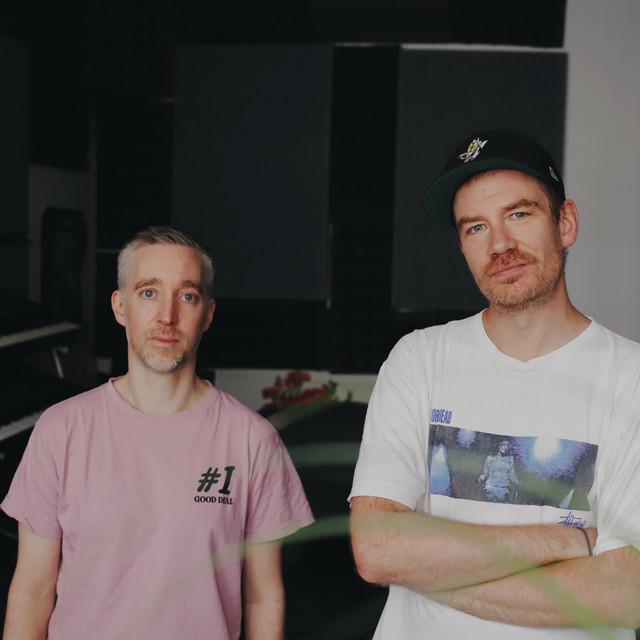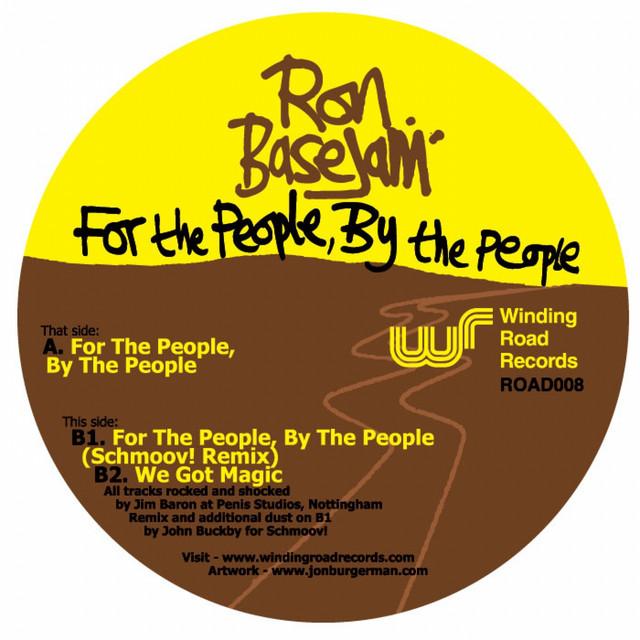
Harvey Sutherland

Electronic
House
Deep House
 Viberate Rank: 78082
 Viberate Rank: 78082
 Monthly ListenersFollowers
 Subscribers
 Followers
 Followers
 FansTop Spotify Songs
| Track | 7-Day Streams | |
|---|---|---|
1 | 28.06K | |
2 | 8.28K | |
3 | 5.95K | |
4 | 4.53K | |
5 | 4.05K |
Top YouTube VideosMonthly ListenersFeatured in Playlists| Playlist | Followers | |
|---|---|---|
1 |  Jazz House 2026 Delicieuse Musique | 276.13K |
2 |  real good shit Tom Misch | 165.62K |
3 |  This Is Disclosure Spotify | 156.49K |
4 |  Disclosure's Record Bag Disclosure | 60.50K |
5 |  Myd's track IDs Spotify | 48.67K |
Audience| City | Monthly Listeners | |
|---|---|---|
1 | | 5.98K |
2 |  | 4.39K |
3 | | 4.39K |
4 |  | 2.46K |
5 | | 2.36K |
See full performance history, audience data, playlist activity, rankings, comparisons, and more in Viberate music analytics. Start with a free trial, then continue with a paid plan.
Harvey Sutherland’s Spotify BioHarvey Sutherland, the Melbourne-born record producer, keyboard player, club DJ and bandleader, made a name amongst his hometown’s electronic underground with a string of cult disco singles. Early 12-inches like Bermuda and Priestess were dance records in love with the sound of soul music, but his debut album Boy - written in a circular loop between his studio and his psychotherapist - was guided by his obsessional traits and habits, ending up in a place he describes as "Neurotic Funk".
His machine grooves are fired through a prism of crate-digging influences, from Todd Rundgren to Basic Channel and back again. His distinctive synthesiser tones have graced remixes and production for Disclosure, Tycho, Khruangbin and BadBadNotGood. A seasoned performer, he’s taken his live band to Glastonbury, dragged his Juno-60 into Berghain and turned the Melbourne Recital Centre into a full-fledged nightclub. Eclectic and groovy, Harvey Sutherland is Neurotic Funk.
Viberate is a music analytics platform built for A&Rs, artist managers, labels, booking agents, marketers, and artists.
It helps music professionals track artist growth, analyze audience data, monitor playlist activity, compare artists, follow song performance, and identify opportunities across the music market.
Public artist pages provide a free preview of selected artist data. Paid plans provide access to deeper analytics, historical data, charts, comparisons, playlist tools, exports, alerts, reports, and additional professional features.
Yes. Public Viberate artist pages provide selected artist analytics and music data for free.
Viberate also offers a 7-day free trial of the full platform. A credit card is required to start the trial. The trial includes access to the complete product so users can test deeper artist analytics, historical views, playlist insights, comparisons, charts, exports, alerts, and reporting features before choosing a paid plan.
Viberate provides artist analytics across streaming, playlists, social media, video, radio airplay, songs, and audience markets.
Users can analyze Spotify performance, Spotify and Apple Music playlists, YouTube activity, TikTok and Instagram growth, radio spins, song performance, audience locations, demographics, rankings, and overall artist momentum.
Artist profiles also connect to music charts, similar artists, and comparison tools, helping users benchmark performance and evaluate artists in context.
Viberate updates key artist and track data daily.
For followed artists and tracks, selected data is refreshed multiple times per day. This helps teams monitor playlist changes, streaming movement, audience growth, releases, and campaign performance with more current data.
Update frequency can vary depending on the metric and data source.
Yes. Viberate lets users compare up to five artists side by side across streaming, social media, audience, and engagement metrics.
Users can compare fanbase growth, audience demographics, locations, Spotify performance, social metrics, and other artist data over selected time periods.
Artist comparison can be used for A&R scouting, benchmarking, booking decisions, campaign planning, and evaluating artists with similar audiences or market positions.