Harvey Scales

R&B
Soul
Contemporary R&B
 Viberate Rank: 457482
 Viberate Rank: 457482
 Monthly ListenersFollowers
 Subscribers
 Followers
 Followers
 FansTop Spotify Songs
| Track | 7-Day Streams | |
|---|---|---|
1 | 655 | |
2 | 301 | |
3 | 144 | |
4 | 94 | |
5 | 69 |
Top YouTube VideosMonthly ListenersFeatured in Playlists| Playlist | Followers | |
|---|---|---|
1 |  Northern Soul Classics Numero Group Dance | 38.55K |
2 |  Art Laboe Oldies (Numero Group) Numero Group Scenes & Decades | 35.90K |
3 |  Eccentric Motown Eccentric Soul | 29.43K |
4 |  Eccentric Soul Numero Group | 20.02K |
5 |  Grown-ish Freeform Official Playlist Freeform | 15.40K |
Audience| City | Monthly Listeners | |
|---|---|---|
1 | | 97 |
2 | | 91 |
3 | | 85 |
4 |  | 85 |
5 | | 68 |
See full performance history, audience data, playlist activity, rankings, comparisons, and more in Viberate music analytics. Start with a free trial, then continue with a paid plan.
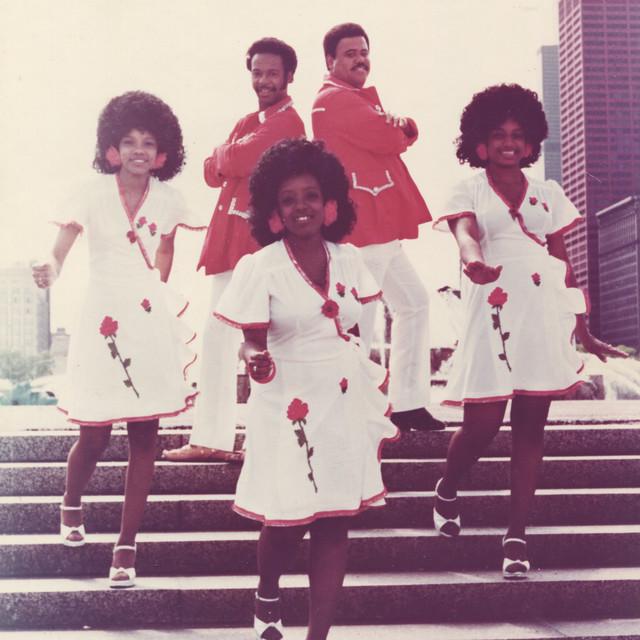
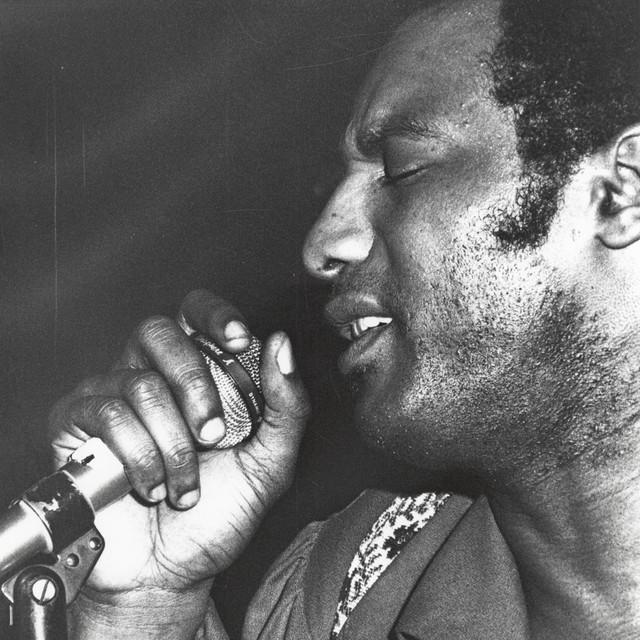
Harvey Scales’ Spotify BioSongwriter/singer/producer Harvey Scales is best known as the co-writer of Johnnie Taylor's mega-hit "Disco Lady," and he also co-wrote the R&B hit "Love Is Better in the A.M., Pt. 1." In 1961, the Arkansas native formed the Milwaukee-based R&B band Harvey Scales and the Seven Sounds. Influenced by James Brown, the group concentrated on funk. Recording for Lenny LeCour's Magic Touch Records, the band had a hit with "Get Down" b/w "Love-Itis." (The latter track was later covered by rockers the J. Geils Band.)
In 1969, the group signed with Chicago-based Chess Records and released the LeCour-produced "The Yolk," "I'll Run to Your Side," and "Leave It for the Trashman on the label's Cadet imprint. Working with Davis, who was having hits with then-Stax artist Johnnie Taylor, Scales cut sides for the Memphis-based label including "What's Good for You (Don't Have to Be Good to You)" b/w "I Wanna Do It." When Stax became inactive, Taylor signed with Columbia, retaining Davis' services.… Recording at Davis' favorite studio (United Sound Studios in Detroit), the producer used the Impressions' "Gypsy Woman" and an African dancer he had seen on a vacation to Spain as a template for a partially finished song ("Disco Baby") that Scales had brought to him. Davis took it to Collins and Worrell, who honed and tightened up the groove, while veteran arranger David Van DePitte did the horn arrangements.
Based on the success of "Disco Lady," Scales was able to secure a recording deal with Casablanca. His 1978 label debut Confidential Affair was a collection of disco-laced soul, later a favorite years among dance music and Northern soul devotees. His next Casablanca album was 1979's Hot Foot: A Funque Dizco Opera, which included the singles "I Get Off on You" and the 12" single "Baby Let's Rock." Scales also co-wrote (with Bunny Sigler) "You're Gonna Get Yours" on Instant Funk's V LP and the pro-basketball tribute "Slam Dunk the Funk" on the band's Looks So Fine album. Somebody Else's Somebody is the title of Scales' 1997 album on Four Sight. ~ Ed Hogan, Rovi
Viberate is a music analytics platform built for A&Rs, artist managers, labels, booking agents, marketers, and artists.
It helps music professionals track artist growth, analyze audience data, monitor playlist activity, compare artists, follow song performance, and identify opportunities across the music market.
Public artist pages provide a free preview of selected artist data. Paid plans provide access to deeper analytics, historical data, charts, comparisons, playlist tools, exports, alerts, reports, and additional professional features.
Yes. Public Viberate artist pages provide selected artist analytics and music data for free.
Viberate also offers a 7-day free trial of the full platform. A credit card is required to start the trial. The trial includes access to the complete product so users can test deeper artist analytics, historical views, playlist insights, comparisons, charts, exports, alerts, and reporting features before choosing a paid plan.
Viberate provides artist analytics across streaming, playlists, social media, video, radio airplay, songs, and audience markets.
Users can analyze Spotify performance, Spotify and Apple Music playlists, YouTube activity, TikTok and Instagram growth, radio spins, song performance, audience locations, demographics, rankings, and overall artist momentum.
Artist profiles also connect to music charts, similar artists, and comparison tools, helping users benchmark performance and evaluate artists in context.
Viberate updates key artist and track data daily.
For followed artists and tracks, selected data is refreshed multiple times per day. This helps teams monitor playlist changes, streaming movement, audience growth, releases, and campaign performance with more current data.
Update frequency can vary depending on the metric and data source.
Yes. Viberate lets users compare up to five artists side by side across streaming, social media, audience, and engagement metrics.
Users can compare fanbase growth, audience demographics, locations, Spotify performance, social metrics, and other artist data over selected time periods.
Artist comparison can be used for A&R scouting, benchmarking, booking decisions, campaign planning, and evaluating artists with similar audiences or market positions.