Harvey Mandel

Blues
Blues Rock
Garage Rock
 Viberate Rank: 204362
 Viberate Rank: 204362
 Monthly ListenersFollowers
 Subscribers
 Followers
 Followers
 FansTop Spotify Songs
| Track | 7-Day Streams | |
|---|---|---|
1 | 2.86K | |
2 | 1.03K | |
3 | 1.03K | |
4 | 911 | |
5 | 748 |
Top YouTube VideosMonthly ListenersFeatured in Playlists| Playlist | Followers | |
|---|---|---|
1 |  Ben Watt's SpinCycle Ben Watt | 23.17K |
2 | Unofficial Reverb Radio Jeff Ferruzzo | 21.82K |
3 |  Silicon Valley HBO Soundtrack David Oliva | 20.33K |
4 |  Living In My Headphones James Lavelle (UNKLE) | 16.04K |
5 |  70s Proto-Metal, Heavy Psych & Obscure Hard Rock Jordan Edrei | 11.27K |
Audience| City | Monthly Listeners | |
|---|---|---|
1 |  | 772 |
2 |  | 356 |
3 | | 242 |
4 |  | 229 |
5 |  | 227 |
See full performance history, audience data, playlist activity, rankings, comparisons, and more in Viberate music analytics. Start with a free trial, then continue with a paid plan.
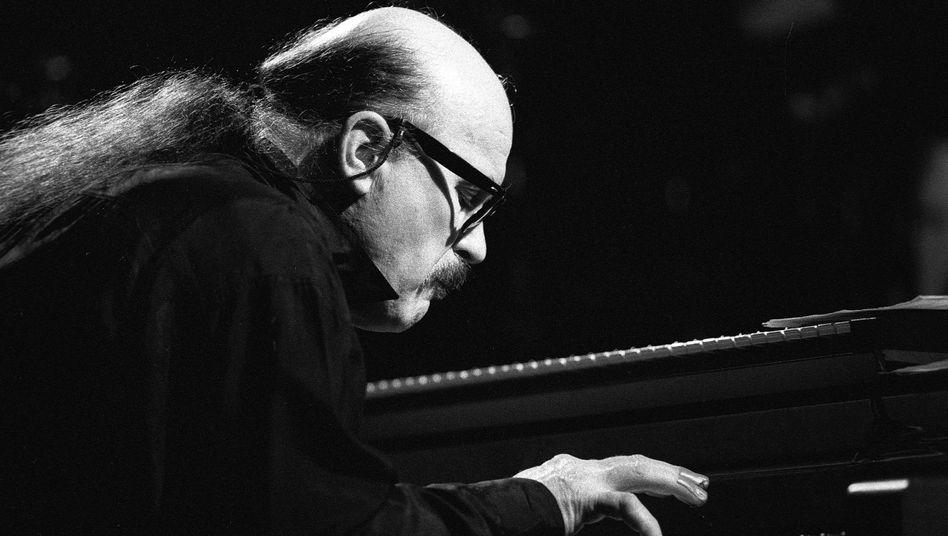
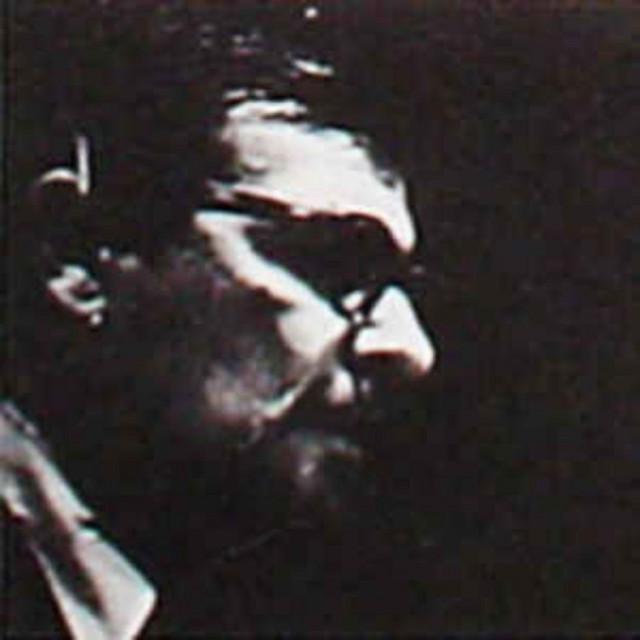
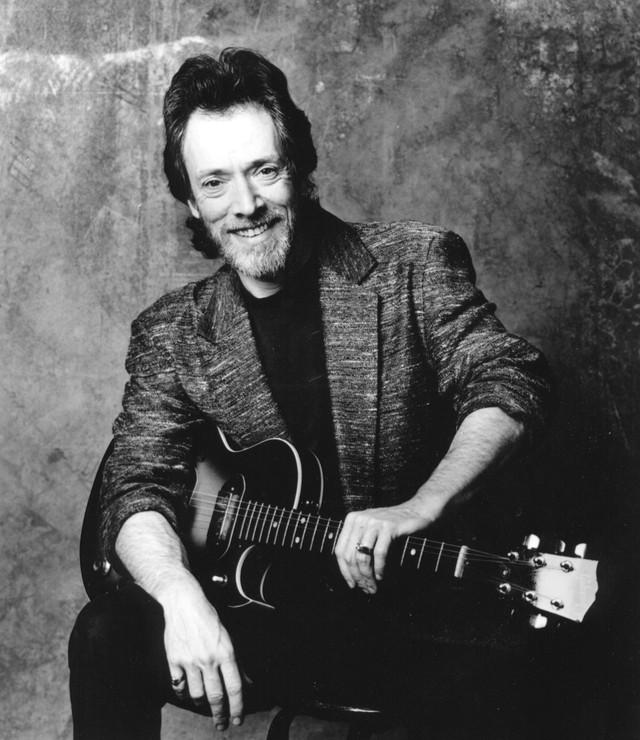
Harvey Mandel’s Spotify BioSelf-taught guitarist Harvey "The Snake" Mandel is a musical innovator whose guitar style comes out of the electric Chicago blues of his youth. He helped develop the use of sustained and controlled feedback during the mid-'60s, and the two-handed tapping guitar technique in the 1970s. After playing in the bands of Charlie Musselwhite and Barry Goldberg, he issued his own widely acclaimed Cristo Redentor in 1968. He joined Canned Heat in time for Woodstock, then John Mayall's band for USA Union and Back to the Roots, before being recruited for the Rolling Stones, and appearing on Black and Blue. Mandel is as comfortable with funk, psychedelia, surf, and hard rock as he is with blues and jazz. This is evidenced by his trilogy -- 1971's Baby Batter, The Snake, and 1973's Shangrenade. He spent the '80s and '90s as a session player and released several albums, including 1997's Emerald Triangle. In 2011, Mandel was diagnosed with cancer and after undergoing several surgeries was declared… cancer-free in 2014, when he released the jazz-rock set Planetary Warrior. He followed it with 2016's acclaimed Snake Pit for Tompkins Square and several independent releases including 2017's Dragons at Play. He returned to Tompkins Square for 2022's Who's Calling.
Mandel was born in Detroit on March 11, 1945 and raised in Chicago. He began playing guitar while in his early teens and found his inspiration in the sound of the Ventures. Whole new vistas in guitar appreciation opened up for him once he had the chance to hear musicians like Buddy Guy in the small blues clubs of Chicago's West and South sides. Mandel learned from and performed with such greats as Guy, Albert King, Muddy Waters, and Otis Rush. He got his nickname "The Snake" from master blues harp player Charlie Musselwhite, whose band he played in during the early to mid-'60s. Musselwhite admired the way Mandel's left hand would effortlessly snake up and down the guitar neck. He later took on the moniker "The King of Sustain," for the long, ringing tones he was able to coax from his instrument.
Mandel's solo career began in the late '60s, after leaving the bands of Musselwhite and Barry Goldberg. His manager wrangled a recording deal with Philips (then distributed by Mercury Records). Mandel's debut album, Cristo Redentor (1968), an all-instrumental set, was well-received on the then-growing underground radio scene in California but also won notice and airplay in New York, Philadelphia, Detroit, and Los Angeles. The guitarist followed it with two more albums for Philips: Righteous in 1969 -- the same year he joined Canned Heat in time to play at Woodstock -- and Games Guitars Play in 1970, the same year he left the Heat to join John Mayall's bands for 1970's USA Union and 1971's Back to the Roots. That year, Mandel also recorded and released Baby Batter for Janus Records, which sold respectably and won critical notice in the U.S. and Europe.
In 1972, Mandel produced a group of Chicago-area musicians on Get Off in Chicago, a jam-session album recorded in three days. After a brief European tour with Mayall that year, he recorded The Snake and the funky Shangrenade in 1972 and 1973 for Janus followed by the compilation Feel the Sound of Harvey Mandel in 1974 concluding their deal. Mandel was recruited to join the Rolling Stones as the replacement for Mick Taylor. Part of his audition wound up on several tracks on 1976's Black and Blue. For the rest of the '70s through the '80s and into the '90s, Mandel performed club engagements. During the '80s he spent much time in Florida, where he had family, and played in a house band at Woody's, the blues club owned by Rolling Stones guitarist Ronnie Wood. Mandel's session work is a short who's-who of blues and roots rock greats -- in addition to the aforementioned artists, he worked with Jimmy Witherspoon, Don "Sugarcane" Harris, Dewey Terry, Freddy Roulette, Bobby Keys, and his heroes the Ventures. Never a singer, but always an inventive and well-respected guitar player, Mandel's commercial appeal has been limited by his natural eclecticism and curiosity about different styles. Like blues and jazz pianist Mose Allison, Mandel's meld always skirts the line between blues, R&B, and rock.
During the early '90s, Mandel returned to the San Francisco Bay Area, where he recorded a series of excellent albums for the Chicago-based Western Front Entertainment label. Twist City, a 1993 effort, received universally positive reviews. During the summer of 1995, he released Snakes & Stripes for Clarity Recordings and received his own volume in the Mercury Chronicles series, which compiled remastered editions of his first three albums. A year later, he co-released The Psychedelic Guitar Circus alongside Henry Kaiser, Steve Kimock, and Freddie Roulette. His hard-driving blues set Planetary Warrior appeared in 1997 from his own Electric Snake Productions label.
He began the 21st century with Lick This, a self-described "techno collaboration" with his son Eric Mandel as lead vocalist. They followed it with the hip-hop-oriented West Coast Killaz in 2003. That same year, the guitarist issued NightFire featuring Harvey Mandel/Freddie Roulette. Though the guitarist toured and played club and some session dates, it was another three years before the studio outing Harvey Mandel & the Snake Crew was released. He spent two years recording and touring with the "Chicago Blues Reunion" in 2008. A year later, he issued Harvey Mandel & the Snake Crew: Live. That same year, Mandel and Larry Taylor reunited with Fito de la Parra and the rest of the then-current Canned Heat lineup to perform on the band's tour. (The three men were all part of the group's 1969 Woodstock show.) Mandel formally rejoined the band in 2010. Numerous catalog reissues -- some of suspicious origin -- appeared over the next several years.
In mid-2013 Mandel was diagnosed with nose cancer and underwent more than 30 reconsctructive surgeries to get a clean scan. Cleopatra issued Snake Box, that collected Mandel's first five solo albums and added a sixth disc of rarities. In November 2016, the guitarist released Snake Pit on Tompkins Square, his first widely distributed album in 20 years. Co-produced by the guitarist with label boss Josh Rosenthal, it was recorded over two days at Fantasy Studios in Berkeley, California. Mandel teamed with keyboardist Ben Boye, drummer Ryan Jewell, guitarist Brian Sulpizio, and bassist Anton Hatwich, none of whom had met before the sessions.
He followed it with the completely self-written and recorded Snake Attack on RockBeat, and the wonderfully cinematic, digital-only Dragons at Play in 2017. The following year he issued Live at Broadway Studios leading an instrumental quartet. He released Smoke This on Out the Box Records in 2019, playing all instruments save keyboards and violin. Following the worldwide lockdowns caused by the COVID-19 pandemic in 2020, Mandel's cancer returned and more surgeries followed.. It didn't keep him from recording or playing live, however.
In Los Angeles in November, 2022 he participated the Los Angeles screening premier of Born In Chicago, a feature-length documentary chronicling the untold story of mentor/apprentice relationships between first generation Chicago blues masters and the younger crop of talented white players inspired by them. That December, he released Who's Calling for Tompkins Square, his 16th album. The trio recording included drummer and co-producer Jewell (Laraaji, Ryley Walker) and bassist Andy Hess (Gov't Mule, Black Crowes). ~ Thom Jurek & Richard Skelly, Rovi
Viberate is a music analytics platform built for A&Rs, artist managers, labels, booking agents, marketers, and artists.
It helps music professionals track artist growth, analyze audience data, monitor playlist activity, compare artists, follow song performance, and identify opportunities across the music market.
Public artist pages provide a free preview of selected artist data. Paid plans provide access to deeper analytics, historical data, charts, comparisons, playlist tools, exports, alerts, reports, and additional professional features.
Yes. Public Viberate artist pages provide selected artist analytics and music data for free.
Viberate also offers a 7-day free trial of the full platform. A credit card is required to start the trial. The trial includes access to the complete product so users can test deeper artist analytics, historical views, playlist insights, comparisons, charts, exports, alerts, and reporting features before choosing a paid plan.
Viberate provides artist analytics across streaming, playlists, social media, video, radio airplay, songs, and audience markets.
Users can analyze Spotify performance, Spotify and Apple Music playlists, YouTube activity, TikTok and Instagram growth, radio spins, song performance, audience locations, demographics, rankings, and overall artist momentum.
Artist profiles also connect to music charts, similar artists, and comparison tools, helping users benchmark performance and evaluate artists in context.
Viberate updates key artist and track data daily.
For followed artists and tracks, selected data is refreshed multiple times per day. This helps teams monitor playlist changes, streaming movement, audience growth, releases, and campaign performance with more current data.
Update frequency can vary depending on the metric and data source.
Yes. Viberate lets users compare up to five artists side by side across streaming, social media, audience, and engagement metrics.
Users can compare fanbase growth, audience demographics, locations, Spotify performance, social metrics, and other artist data over selected time periods.
Artist comparison can be used for A&R scouting, benchmarking, booking decisions, campaign planning, and evaluating artists with similar audiences or market positions.