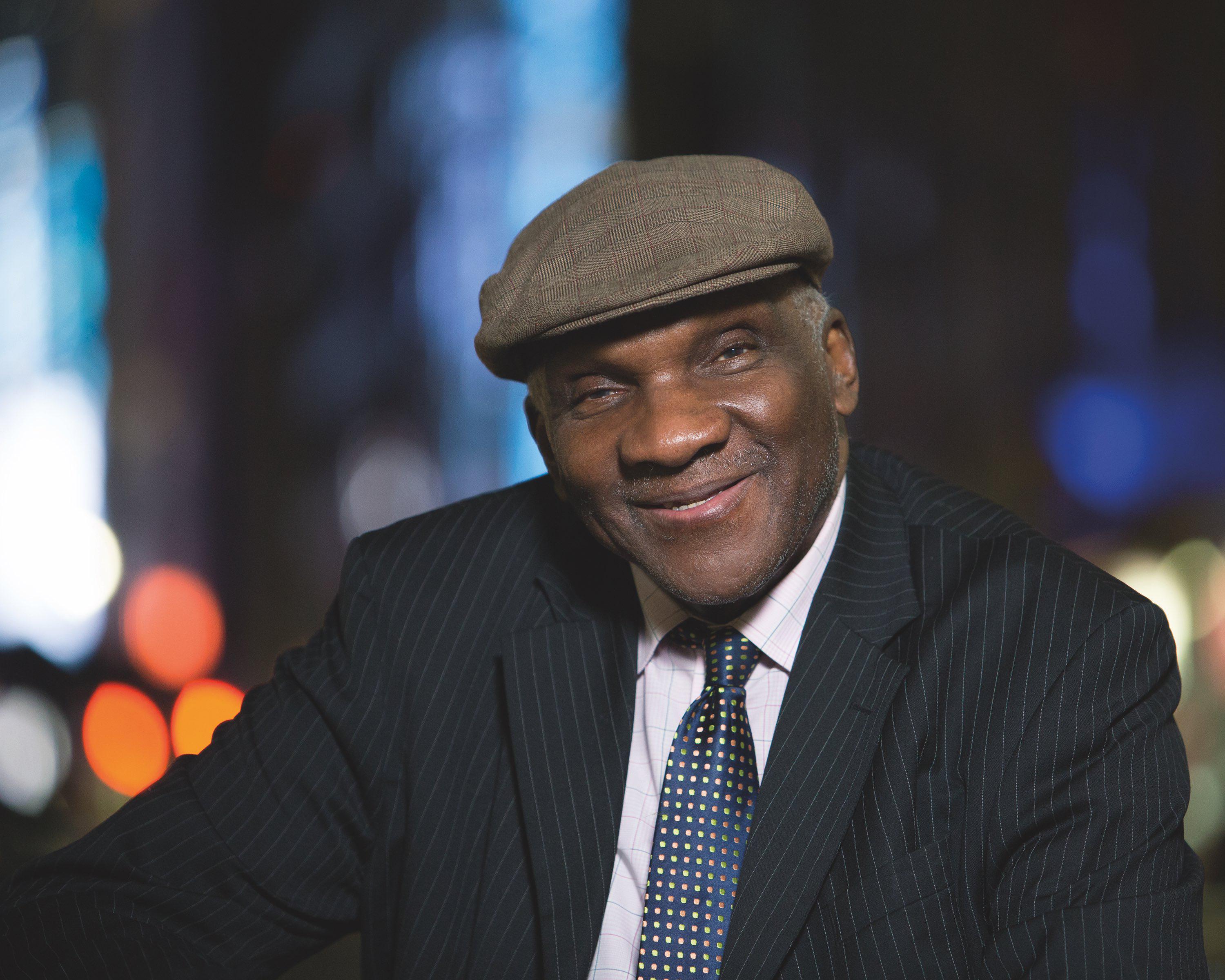
Harold Mabern

Jazz
Bebop
Smooth Jazz
 Viberate Rank: 229182
 Viberate Rank: 229182
 Monthly ListenersFollowers
 Subscribers
 Followers
 Followers
 FansTop Spotify Songs
| Track | 7-Day Streams | |
|---|---|---|
1 | 5.30K | |
2 | 1.62K | |
3 | 704 | |
4 | 351 | |
5 | 313 |
Top YouTube VideosMonthly ListenersFeatured in Playlists| Playlist | Followers | |
|---|---|---|
1 |  Piano Bar • Lounge Music • Smooth Jazz David Anthony | 37.09K |
2 |  Hard Bop Jazz Mark Noordzij | 20.45K |
3 | Christmas Jazz Raul Baltazar | 12.86K |
4 |  NPR Music's Favorite Songs Of 2015 NPR Music | 12.64K |
5 |  HOTEL LOUNGE JAZZ 宇宙あめ子(Uchu Ameko) | 10.88K |
Audience| City | Monthly Listeners | |
|---|---|---|
1 |  | 198 |
2 |  | 148 |
3 |  | 141 |
4 |  | 138 |
5 |  | 122 |
See full performance history, audience data, playlist activity, rankings, comparisons, and more in Viberate music analytics. Start with a free trial, then continue with a paid plan.
Harold Mabern’s Spotify BioAn excellent hard bop pianist, Harold Mabern was a highly regarded performer who emerged from the Memphis jazz and R&B scene of the 1950s. Mabern developed a commanding style that combined harmonic and modal sophistication with an impressive technical virtuosity.
Born in Memphis in 1936, Mabern initially started out on the drums before switching to piano. By his teens he was playing locally, often sharing the stage with such fellow up-and-comers as George Coleman, Charles Lloyd, and Booker Little. Although largely self-taught, he moved to Chicago after high school, where he did receive some private training. From there, he moved to New York City, where he found work recording with saxophonist Jimmy Forrest as well as Walter Perkins' MJT + 3 alongside fellow Memphis native Frank Strozier. More high-profile dates followed, including sessions with Johnny Griffin, Freddie Hubbard, Lee Morgan, Jackie McLean, Hank Mobley, and Wes Montgomery, among others.
In 1968, Mabern signed with Prestige a…nd made his recording debut as a leader with A Few Miles from Memphis, followed by the same year's Rakin' and Scrapin', 1969's Workin' and Wailin', and 1970's Greasy Kid Stuff! Aside from the somewhat obscure 1978 trio date Pisces Calling, Mabern's own recordings largely came to a halt during the 1970s. However, he remained a highly sought-after sideman, appearing on albums by George Benson, Archie Shepp, Billy Harper, and others. He finally returned to his work as a leader with 1985's Joy Spring, a live solo date recorded at Toronto's Café des Copains. The trio date Straight Street, featuring longtime associates Ron Carter and Jack DeJohnette, appeared in 1989.
Mabern's output picked up considerably over the next decade, beginning with 1993's Leading Man, which featured Carter and DeJohnette along with altoist Bill Easley, trumpeter Bill Mobley, guitarist Kevin Eubanks, and vocalist Pamela Baskin-Watson. More well-regarded efforts followed with 1993's Lookin' on the Bright Side, 1995's For Phineas, and 1998's Mabern's Grooveyard. The pianist hailed the start of the new millennium with a flurry of albums for Japan's Venus label, including 2002's Kiss of Fire, 2003's Falling in Love with Love, 2005's Fantasy, and 2007's Somewhere Over the Rainbow. In 2008, he delivered another date for the Japanese market, the solo piano session Misty.
In 2012, he signed with HighNote and delivered the quartet album Mr. Lucky: A Tribute to Sammy Davis Jr. with tenor saxophonist Eric Alexander, bassist John Webber, and drummer Joe Farnsworth. Alexander was also on board for 2017's live Smoke Sessions release To Love and Be Loved, which also featured trumpeter Freddie Hendrix, bassist Nat Reeves, drummer Jimmy Cobb, and percussionist Cyro Baptista. The concert album The Iron Man: Live at Smoke arrived in 2018 and again found the pianist leading his quartet with Webber, Farnsworth, and Alexander. Mabern died on September 17, 2019 after suffering a heart attack. He was 83 years old. ~ Matt Collar, Rovi
Viberate is a music analytics platform built for A&Rs, artist managers, labels, booking agents, marketers, and artists.
It helps music professionals track artist growth, analyze audience data, monitor playlist activity, compare artists, follow song performance, and identify opportunities across the music market.
Public artist pages provide a free preview of selected artist data. Paid plans provide access to deeper analytics, historical data, charts, comparisons, playlist tools, exports, alerts, reports, and additional professional features.
Yes. Public Viberate artist pages provide selected artist analytics and music data for free.
Viberate also offers a 7-day free trial of the full platform. A credit card is required to start the trial. The trial includes access to the complete product so users can test deeper artist analytics, historical views, playlist insights, comparisons, charts, exports, alerts, and reporting features before choosing a paid plan.
Viberate provides artist analytics across streaming, playlists, social media, video, radio airplay, songs, and audience markets.
Users can analyze Spotify performance, Spotify and Apple Music playlists, YouTube activity, TikTok and Instagram growth, radio spins, song performance, audience locations, demographics, rankings, and overall artist momentum.
Artist profiles also connect to music charts, similar artists, and comparison tools, helping users benchmark performance and evaluate artists in context.
Viberate updates key artist and track data daily.
For followed artists and tracks, selected data is refreshed multiple times per day. This helps teams monitor playlist changes, streaming movement, audience growth, releases, and campaign performance with more current data.
Update frequency can vary depending on the metric and data source.
Yes. Viberate lets users compare up to five artists side by side across streaming, social media, audience, and engagement metrics.
Users can compare fanbase growth, audience demographics, locations, Spotify performance, social metrics, and other artist data over selected time periods.
Artist comparison can be used for A&R scouting, benchmarking, booking decisions, campaign planning, and evaluating artists with similar audiences or market positions.