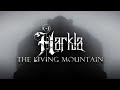
Harkla

Metal
Death Metal
Progressive Metal
 Viberate Rank: 301062
 Viberate Rank: 301062
 Monthly ListenersFollowers
 Subscribers
 Followers
 Followers
 FansTop Spotify Songs
| Track | 7-Day Streams | |
|---|---|---|
1 | 940 | |
2 | 426 | |
3 | 176 | |
4 | 165 | |
5 | 143 |
Top YouTube VideosMonthly ListenersFeatured in Playlists| Playlist | Followers | |
|---|---|---|
1 |  Djent Instrumental georgegore | 18.92K |
2 | Djent E | 14.29K |
3 |  Thall Jack | 10.15K |
4 | Djent/Progressive/Metalcore/Deathcore Jonas Vikkelsø Henriksen | 9.06K |
5 |  Grindcore & Deathcore Anton Christoffersen | 2.94K |
Audience| City | Monthly Listeners | |
|---|---|---|
1 |  | 49 |
2 | | 48 |
3 | | 46 |
4 | | 45 |
5 |  | 44 |
See full performance history, audience data, playlist activity, rankings, comparisons, and more in Viberate music analytics. Start with a free trial, then continue with a paid plan.
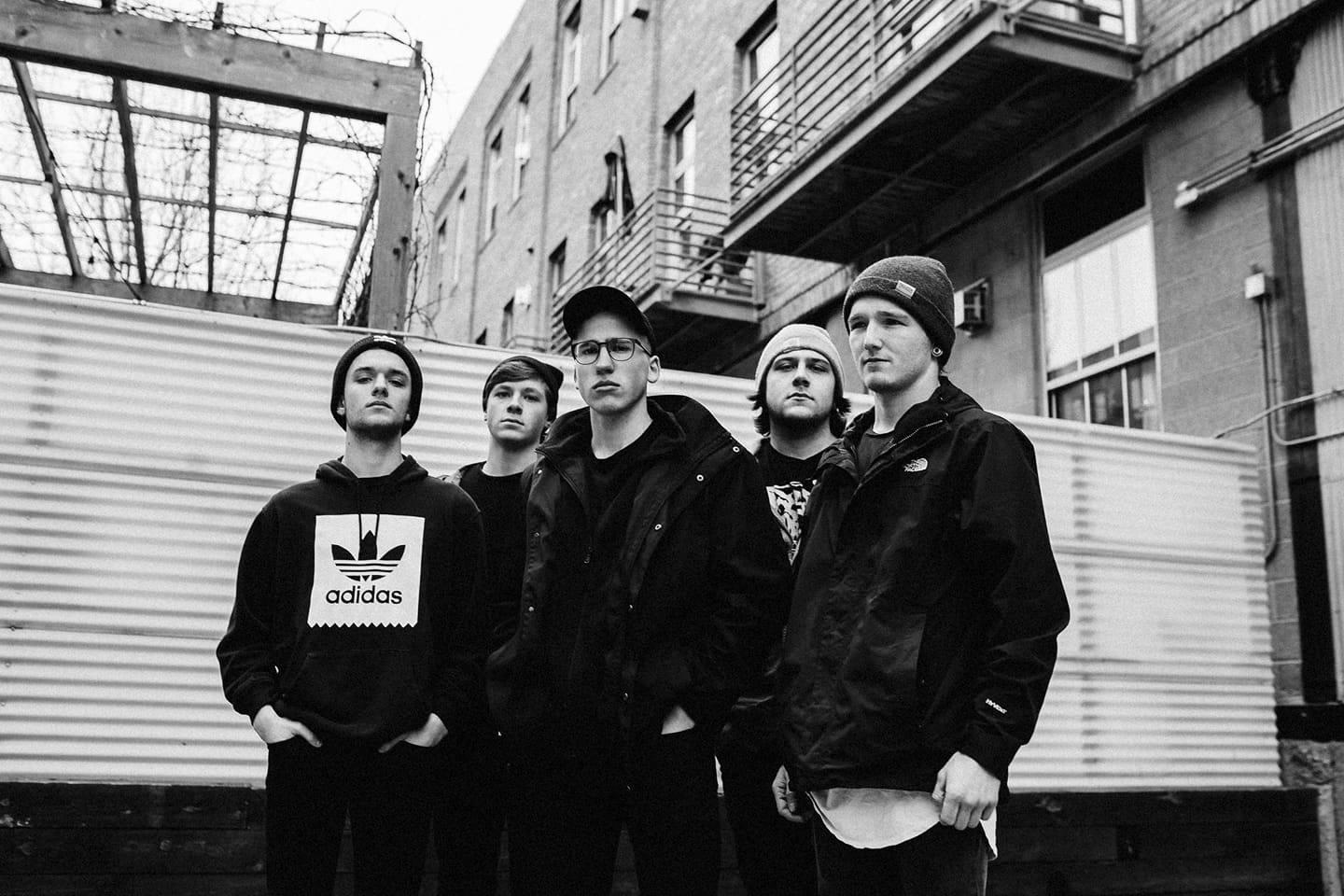
Harkla’s Spotify BioHarkla is a progressive metal act from southern Sweden, founded in 2013 by brothers Niklas Johansson (instrumentalist/composer) and Karl Johansson (vocals/lyrics). Originally a full band, Harkla later evolved into a creative duo, allowing the brothers full artistic freedom to explore complex soundscapes, dynamic compositions, and deeply emotional themes.
Blending elements of progressive metal and experimental textures, Harkla’s music is characterized by intricate rhythms, haunting melodies, and thought-provoking lyrics. Their sound has been compared to artists like Vildhjarta, Meshuggah and Humanitys Last Breath, but with a distinct identity that is entirely their own.
In 2023, Harkla underwent a significant transformation in both image and sound. Drawing inspiration from Scandinavian folk music and Nordic myth and folklore, the band began crafting a darker, more atmospheric style, one that evokes the haunting beauty of old Scandinavian legends. This new direction blends brooding… progressive metal with melancholic folk melodies, creating a soundscape that is both bleak and beautiful, deeply rooted in the mysticism of the north.
Harkla has independently released four full-length studio albums and several singles, each showcasing the band’s evolving style and dedication to musical craftsmanship.
Viberate is a music analytics platform built for A&Rs, artist managers, labels, booking agents, marketers, and artists.
It helps music professionals track artist growth, analyze audience data, monitor playlist activity, compare artists, follow song performance, and identify opportunities across the music market.
Public artist pages provide a free preview of selected artist data. Paid plans provide access to deeper analytics, historical data, charts, comparisons, playlist tools, exports, alerts, reports, and additional professional features.
Yes. Public Viberate artist pages provide selected artist analytics and music data for free.
Viberate also offers a 7-day free trial of the full platform. A credit card is required to start the trial. The trial includes access to the complete product so users can test deeper artist analytics, historical views, playlist insights, comparisons, charts, exports, alerts, and reporting features before choosing a paid plan.
Viberate provides artist analytics across streaming, playlists, social media, video, radio airplay, songs, and audience markets.
Users can analyze Spotify performance, Spotify and Apple Music playlists, YouTube activity, TikTok and Instagram growth, radio spins, song performance, audience locations, demographics, rankings, and overall artist momentum.
Artist profiles also connect to music charts, similar artists, and comparison tools, helping users benchmark performance and evaluate artists in context.
Viberate updates key artist and track data daily.
For followed artists and tracks, selected data is refreshed multiple times per day. This helps teams monitor playlist changes, streaming movement, audience growth, releases, and campaign performance with more current data.
Update frequency can vary depending on the metric and data source.
Yes. Viberate lets users compare up to five artists side by side across streaming, social media, audience, and engagement metrics.
Users can compare fanbase growth, audience demographics, locations, Spotify performance, social metrics, and other artist data over selected time periods.
Artist comparison can be used for A&R scouting, benchmarking, booking decisions, campaign planning, and evaluating artists with similar audiences or market positions.